
📊 Full opportunity report: Acoustic Dampening, Placement, and the “Rig in the Closet” Setup on ThorstenMeyerAI.com — validation score, market gap, and execution plan.
TL;DR
Moving your high-powered rig into a closet can significantly reduce noise and reflections if combined with proper placement, sealing gaps, and ventilation. This setup improves sound quality and prevents overheating, but requires careful planning.
Experts now confirm that relocating high-noise rigs into a closet or small room, combined with proper placement, sealing, and ventilation, is the most effective method to reduce noise and improve sound quality. This advice builds on longstanding principles of sound reflection control and heat management, emphasizing that placement and sealing are as important as dampening materials, as detailed in the original analysis.
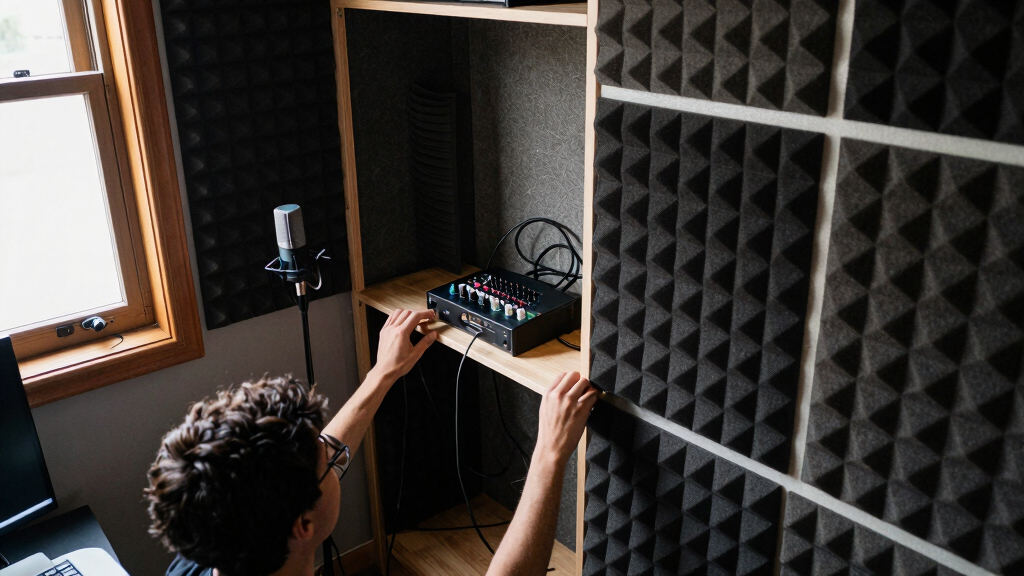
According to industry sources, moving a rig into a closet drastically cuts noise levels and reflections, often more than adding foam treatments alone. Proper placement involves positioning microphones away from reflective surfaces and treating reflection points behind the mic, side walls, and ceiling with absorption materials such as foam panels or blankets.
Sealing gaps around doors and walls with weatherstripping enhances sound isolation, preventing noise leaks and echo. For low-frequency issues, bass traps placed in corners can reduce muddiness and improve clarity. Ventilation is critical; installing quiet exhaust fans or ducted airflow prevents heat buildup in enclosed spaces, protecting hardware and maintaining optimal operating temperatures.
Acoustic dampening
& the rig in the closet.
The most powerful noise fix isn’t a material — it’s a floor plan. A rig you can’t hear because it’s in another room beats any amount of foam. Tap the approaches in Part 1 to see what actually works.
(another room)
(levers 1–4)
(door / barrier)
(acoustic foam)
Contain the noise, not the heat
Why Closet Placement and Treatment Improve Audio and Hardware Safety
This approach matters because it offers a practical, accessible solution for users needing a quiet workspace without expensive soundproofing or dedicated studios. Properly treated closets enable clearer recordings, reduce noise pollution, and safeguard hardware from overheating, making high-performance setups feasible in small or shared environments. For more insights, see the detailed guide on acoustic dampening and placement.
As an affiliate, we earn on qualifying purchases.
Background on Acoustic Treatment and Small-Space Rig Placement
Many users have struggled with noisy rigs in small spaces, often resorting to foam panels or blankets. Experts highlight that moving the rig into a closet, coupled with strategic acoustic treatment and ventilation, yields better results. For more details, see this guide on acoustic treatment and placement.
"Moving your rig into a closet with proper placement and sealing can cut noise significantly more than just adding foam."
— Thorsten Meyer, acoustic expert

Easy Cloud Computer Fan with AC Plug, 120mm Variable Speed Axial Muffin PC Fan with Controller 120V 110V 220V Small 12V Case Cooling for PC Server Cabinet DVR TV Router Receiver Xbox Greenhouse
- Adjustable Fan Speed: Customize cooling intensity as needed
- AC Power Compatible: Plug directly into AC outlets
- Long-lasting Bearings: Dual-ball bearings last 50,000 hours
As an affiliate, we earn on qualifying purchases.
As an affiliate, we earn on qualifying purchases.
Remaining Questions About Long-Term Durability and Effectiveness
While current advice confirms the benefits of closet placement, long-term data on hardware lifespan, sound quality consistency, and the optimal combination of materials and ventilation remain limited. Further studies are needed to establish standardized guidelines for different rig sizes and room configurations.

ATS Acoustics Corner Bass Trap, Low Frequency Range, NRC 1.40, 24" x 48" x 13" (Ivory)
- Improves sound clarity: Reduces reverb and echo
- High sound absorption: NRC 1.40 for effective noise reduction
- Corner placement design: Absorbs low frequencies for studio quality
As an affiliate, we earn on qualifying purchases.
As an affiliate, we earn on qualifying purchases.
Next Steps for Users Considering Closet-Based Rigs
Users should experiment with placement and sealing techniques, monitor temperatures with sensors, and test various absorption materials to optimize their setup. Industry experts anticipate the development of specialized closet enclosures with integrated ventilation and soundproofing features, which could become standard for high-performance small-space rigs.

24 Pack 2” Thick Pyramid Acoustic Foam, Sound Proof Foam Panels for Walls
- Effective Sound Absorption: Reduces echo and reverberation
- High-Quality Material: Durable, flame-retardant acoustic foam
- Stylish Pyramid Design: Enhances sound diffusion and decor
As an affiliate, we earn on qualifying purchases.
As an affiliate, we earn on qualifying purchases.
Key Questions
Is moving my rig into a closet enough to eliminate noise?
Relocating your rig into a closet significantly reduces noise and reflections, especially when combined with proper placement, sealing, and acoustic treatment. However, complete silence also depends on additional factors like ventilation and room sealing.
What materials are best for acoustic treatment in a closet?
Effective materials include thick foam panels, blankets, rugs, and bass traps in corners. Covering the door with a blanket or foam also helps prevent sound escape. The key is strategic placement to absorb reflections and reduce low-frequency muddiness.
How do I prevent overheating in a closet setup?
Install quiet exhaust fans, passive vents, or ducted airflow systems to ensure proper ventilation. Placing intake fans at the bottom and exhaust at the top creates a gentle airflow that removes hot air without adding noise or reflections.
Can I use DIY materials for acoustic treatment?
Yes, materials like blankets, quilts, rugs, and foam panels are effective if placed strategically. For bass issues, adding bass traps in corners improves low-frequency absorption without expensive professional panels.
Source: ThorstenMeyerAI.com