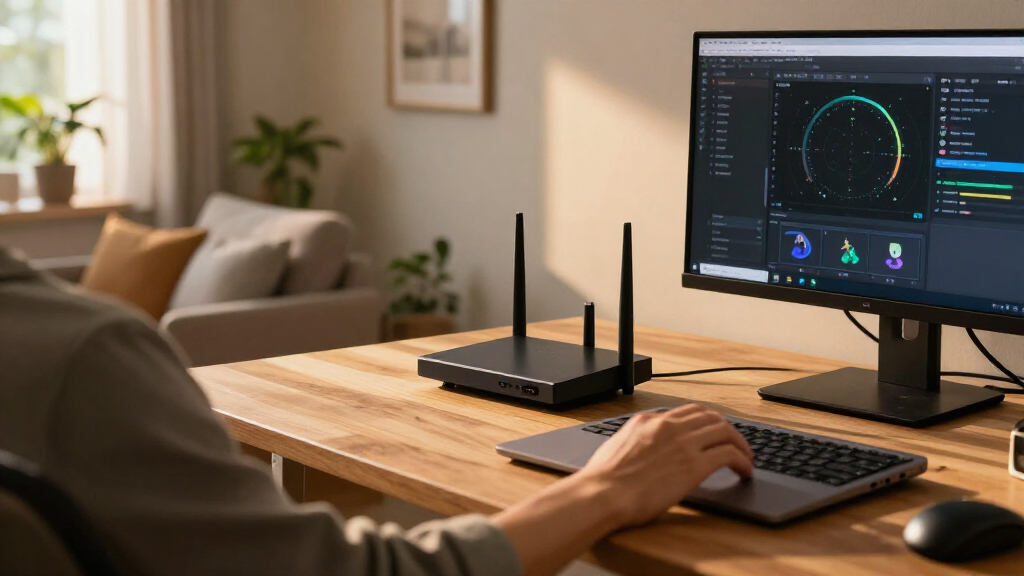

🔍 Read the full analysis: What Makes These 9 Best Wi-Fi 7 Routers Worth Considering For Home? on ThorstenMeyerAI.com

Get business pricing on monitors, keyboards and dev gear
- Business-only prices and quantity discounts
- Tax-exempt purchasing
- Multiple users, one account, clear invoices
TL;DR
A comparison of nine Wi-Fi 7 routers identifies the TP-Link Archer BE550 as its broad-use pick, while the ASUS ROG Rapture GT-BE98 Pro targets demanding gaming and the TP-Link Archer BE230 suits simpler networks. The right choice depends on compatible devices, home layout and wired connections; listed capabilities do not guarantee real-world speed or coverage.
A comparison published by ThorstenMeyerAI.com, the original analysis, names the TP-Link Archer BE550 its best overall Wi-Fi 7 router for home use, citing its tri-band design and mix of wired connections. The assessment also includes eight alternatives for different needs, from a quad-band gaming model to simpler dual-band routers; it is a buying guide, not a controlled test proving that one router will perform best in every home.
The nine models covered are the TP-Link Archer BE550, TP-Link Archer BE230, ASUS ROG Rapture GT-BE98 Pro, NETGEAR BE9300, TP-Link BE600, TP-Link Archer BE400, ASUS RT-BE82U, NETGEAR RS90 and NETGEAR RS140. The source says it compared band configuration, wired connectivity and features against common household needs. It does not provide standardized performance measurements in the supplied material.
The BE550 leads the ranking as a tri-band, broadly balanced option. At the premium end, the ASUS ROG Rapture GT-BE98 Pro offers quad-band capacity and gaming-focused controls. The Archer BE230 is presented as a simpler entry point for smaller networks. The BE9300 and BE600 are other tri-band alternatives, while the Archer BE400, RT-BE82U, RS90 and RS140 are described as dual-band choices for less complex setups.
The comparison’s central advice is to choose around active devices, floor plan and wired equipment, not the Wi-Fi 7 label alone. A newer router can still connect older Wi-Fi devices, but those clients will not use every Wi-Fi 7 capability. The source also cautions that walls, placement, neighboring networks and internet-service speed affect results.
The 9 picks
- 1
 ASUS ROG Rapture GT-BE98 Pro Quad-Band WiFi 7 Gaming RouterView on Amazon →
- 2
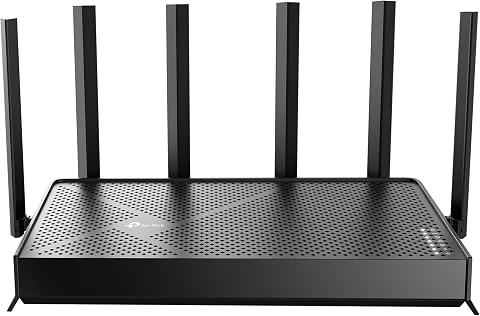 TP-Link Archer BE600 Tri-Band Wi-Fi 7 RouterView on Amazon →
- 3
 NETGEAR Nighthawk BE9300 Tri-Band WiFi 7 RouterView on Amazon →
- 4
 TP-Link Archer BE550 Tri-Band Wi-Fi 7 RouterView on Amazon →
- 5
 NETGEAR Nighthawk RS140 Dual-Band WiFi 7 RouterView on Amazon →
- 6
 ASUS RT-BE82U Dual-Band Wi-Fi 7 RouterView on Amazon →
- 7
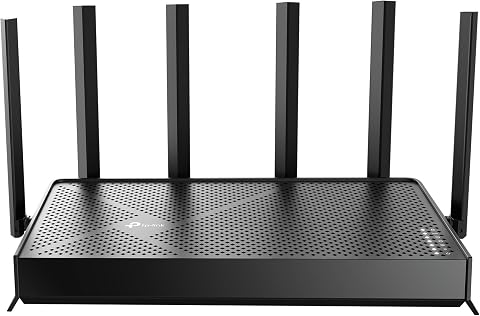 TP-Link Archer BE400 BE6500 Dual-Band Wi-Fi 7 RouterView on Amazon →
- 8
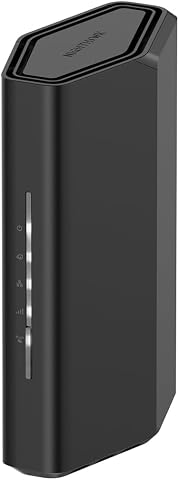 NETGEAR Nighthawk RS90 WiFi 7 Dual-Band RouterView on Amazon →
- 9
 TP-Link Archer BE230 Dual-Band Wi-Fi 7 RouterView on Amazon →
How Router Choice Shapes Home Wi-Fi
This comparison matters because a router upgrade is only useful when its capabilities address a household’s actual bottleneck. Extra bands can help distribute busy wireless traffic, but a band count is not itself a guarantee of faster connections. A household with modest usage may get little value from paying for quad-band capacity, while a busy network may benefit from additional flexibility.
Wired ports and coverage can be just as consequential as wireless features. A fast internet plan, desktop computer, storage device or wired access point may call for particular port speeds or more connections. And if the main problem is a distant room, adding throughput at the router may not solve weak coverage through walls or across floors. The source’s broad-use ranking is a starting point, not a substitute for matching equipment to the home.
For readers, the practical value is a way to narrow choices before spending: identify the devices that will use Wi-Fi 7, check wired requirements, then decide whether extra bands or gaming controls justify additional cost and setup complexity. The supplied source does not list prices, so it cannot establish which option offers the best value for a particular budget.
Products Worth Considering

Samsung 27-Inch Odyssey OLED G5 QHD Gaming Monitor

LG UltraGear 32GX850A-B 32-inch 4K UHD Glossy OLED Gaming Monitor

Samsung 27-inch Odyssey G5 QHD Gaming Monitor (G51F)
As an affiliate, we earn on qualifying purchases.
What the Nine-Model Comparison Measures
The supplied guide says its ranking weighs two-, three- or four-band designs, port suitability and features for everyday use, gaming or more involved setups. It favors practical balance for a broad range of homes, which explains the BE550’s top position, and places the GT-BE98 Pro in a more specialized premium role.
The comparison frames advertised specifications as selection clues rather than performance promises. Actual results vary with router placement, home construction, client hardware and internet-service speed. It also notes that older clients can connect to Wi-Fi 7 routers without gaining every newer standard feature. No test methods, benchmark results or publication date appear in the source material provided here.
“The Archer BE550 earns the overall lead by pairing tri-band Wi-Fi 7 with a practical feature mix, rather than focusing only on extreme throughput or gaming extras.”
— ThorstenMeyerAI.com comparison
Performance Depends on the Home
The supplied material does not give prices, detailed port specifications or measured speed and range results for the nine routers. It also does not state the comparison’s publication date or provide the test conditions behind its ranking. Readers should not treat the order as a laboratory verdict or assume the BE550 will outperform every alternative in every house.
It remains unclear which model offers the strongest value for a specific buyer, because that depends on current pricing, client-device support, internet plan and wired setup. Real-world coverage and throughput are also uncertain without details about the home’s size, construction and router placement. The source provides selection guidance, not a guarantee of outcomes.
Check Compatibility Before Buying
Before choosing, list the household’s most-used wireless devices and wired connections, check which Wi-Fi standards those devices support, and match port requirements to the internet plan and attached equipment. Then consider whether the network’s main need is more capacity, gaming controls, straightforward setup or improved coverage.
Buyers should compare current prices and verify specifications directly with manufacturers or retailers, since those details are absent from the supplied guide. If dead zones are the main complaint, check whether a mesh or access-point arrangement fits the home rather than assuming a single higher-capacity router will solve the problem. The next useful step is a model-by-model comparison using the buyer’s own device list and floor plan.
Key Questions
Which Wi-Fi 7 router does the comparison recommend overall?
The guide names the TP-Link Archer BE550 its best overall pick, citing tri-band flexibility and a practical mix of wired connections. That is the source’s ranking, not a promise that it will be the best-performing choice in every home.
Which model is aimed at gaming-focused or demanding setups?
The ASUS ROG Rapture GT-BE98 Pro is described as a premium, specialist option with quad-band capacity and gaming-focused controls. The source says many households will not need its added scale or complexity.
Do older devices work with a Wi-Fi 7 router?
According to the comparison, older Wi-Fi clients can connect, but they do not gain all Wi-Fi 7 features simply by using a newer router. The benefit depends partly on whether the devices that matter support those capabilities.
Does a router with more bands guarantee better speed?
No. The source treats additional bands as a way to share wireless capacity, not as a direct speed guarantee. Results depend on the devices, traffic, home layout, router placement and internet service.
What should buyers check before selecting one of the nine routers?
Check Wi-Fi compatibility, wired port needs, household traffic and coverage requirements. Compare current prices and specifications as well; those details are not included in the supplied source material.
Source: ThorstenMeyerAI.com