

Quality assurance focuses on preventing defects by establishing systematic processes and standards, making it proactive and process-oriented. In contrast, quality control reacts after products are made, inspecting and testing to identify and fix issues, which is reactive and product-focused. While QA aims to improve overall quality early on, QC verifies final outputs meet expectations. Understanding these differences can help you implement effective quality strategies—keep exploring to uncover more about how they work together.
Key Takeaways
- QA focuses on preventing defects through systematic process improvements, while QC identifies and fixes defects in finished products or services.
- QA is proactive, establishing standards and procedures; QC is reactive, conducting inspections and tests after production.
- QA aims for process consistency and efficiency; QC verifies that outputs meet predefined standards.
- Effective QA reduces overall costs by preventing errors; QC can increase costs by catching defects late.
- Combining QA and QC ensures high-quality, reliable results and improved customer satisfaction.
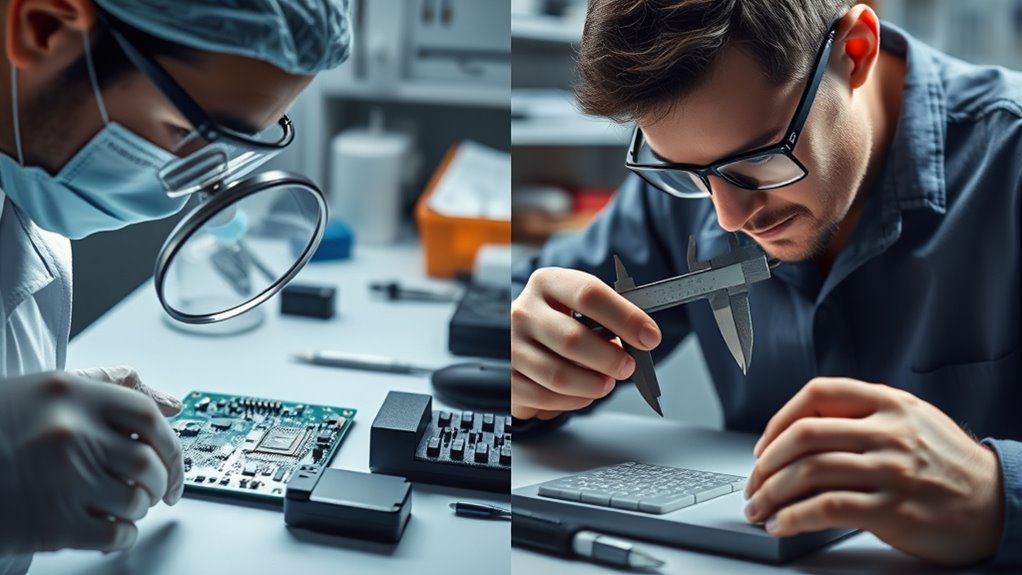
Understanding the difference between quality assurance and quality control is essential for maintaining high standards in any project or product. These two concepts, while related, serve distinct roles in ensuring that your work meets or exceeds expectations. Quality assurance focuses on the process itself, aiming to prevent defects before they occur. It involves establishing systematic procedures, standards, and best practices that guide every stage of production or service delivery. When you prioritize process improvement through quality assurance, you create a foundation that consistently supports better outcomes. This proactive approach not only minimizes errors but also boosts customer satisfaction by delivering reliable, high-quality results from the start. By continuously refining your processes, you reduce variability and increase efficiency, which directly impacts the overall quality of your product or service.
On the other hand, quality control is reactive, centered on identifying and fixing defects after they happen. It involves inspection, testing, and measurement to detect issues that slip through the process. Your role in quality control is to verify that the output aligns with set standards and specifications. When defects are found, you take corrective actions to address them, ensuring the final product meets customer expectations. Although quality control may seem like a last line of defense, it’s essential in catching errors that might otherwise harm customer satisfaction or damage your reputation. However, relying solely on quality control can lead to inefficiencies and increased costs, as problems are only addressed after they occur rather than prevented in the first place.

Quality Assurance in Construction
As an affiliate, we earn on qualifying purchases.
As an affiliate, we earn on qualifying purchases.
Frequently Asked Questions
How Do QA and QC Integrate in a Manufacturing Process?
You integrate QA and QC in your manufacturing process through seamless process integration and clear documentation workflows. QA establishes standards and procedures to prevent defects, while QC monitors and inspects products to catch issues early. By aligning these efforts, you guarantee quality is built into each stage, with documentation workflows providing transparency and accountability. This collaboration boosts product consistency, reduces errors, and maintains high-quality output throughout your manufacturing operations.
What Are the Main Tools Used for QA and QC?
Did you know that over 70% of manufacturing defects are caught early with proper tools? You rely on inspection techniques like visual inspections, sample testing, and non-destructive methods for QC, while QA uses documentation methods such as checklists, process audits, and standard operating procedures. These tools help guarantee quality at every step, reducing errors and boosting customer satisfaction. Mastering them makes your product consistently reliable and first-rate.
How Do Costs Differ Between Implementing QA and QC?
You’ll find that implementing quality assurance generally has a higher initial cost impact due to proactive planning, training, and process setup, requiring significant resource allocation upfront. In contrast, quality control tends to incur ongoing costs linked to inspections and testing after production, which can be more variable. Overall, QA investments aim to prevent issues early, potentially reducing long-term costs, while QC focuses on identifying defects, influencing resource use during production.
Can a Company Have Effective QA Without QC?
Sure, you can have “effective” QA without QC, but good luck building a quality culture without employee training and inspection. QA sets the standards, fosters process improvement, and promotes consistency. Without QC, you’re flying blind—no inspections or testing to catch errors. It’s like trying to bake a cake without tasting it. For a truly robust quality culture, both QA and QC must work together, ensuring excellence at every step.
How Do Industry Standards Influence QA and QC Practices?
Industry standards shape your QA and QC practices by emphasizing regulatory compliance and supplier certifications. They guide you to meet legal and quality benchmarks, ensuring your processes are consistent and reliable. By adhering to these standards, you reduce risks, improve product quality, and build trust with customers. Standards act as a framework, helping you implement effective QA and QC strategies that align with industry expectations and regulatory requirements.

Necygoo Weld Gauge Set 0-1/4'' Porosity Undercuts Checking Gauge with 0-3/4'' Convexity Concavity Welding Gauge Stainless Steel Imperial Measurement for Welding Inspection
❤WELD GAUGE SET❤ Package Includes 1 x Undercuts Checking Gauge, 1 x Convexity Concavity Checking Gauge, 2 x…
As an affiliate, we earn on qualifying purchases.
As an affiliate, we earn on qualifying purchases.
Conclusion
Understanding the difference between quality assurance and quality control is like knowing the difference between planning a trip and checking your luggage—both are crucial for a smooth journey. QA sets the roadmaps to prevent issues, while QC catches problems before they reach you. By mastering both, you guarantee your product is reliable and meets expectations. Think of them as two sides of the same coin—each essential to achieving excellence in your work.
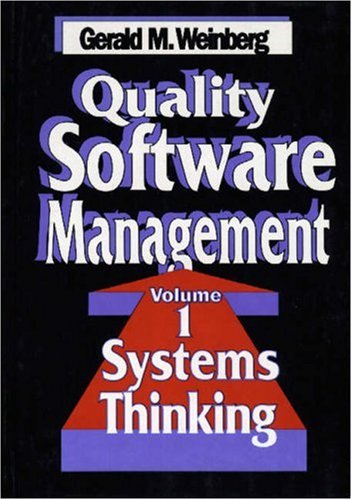
Quality Software Management: Systems Thinking
Used Book in Good Condition
As an affiliate, we earn on qualifying purchases.
As an affiliate, we earn on qualifying purchases.

Gemtone All-in-One Gold, Silver, Platinum & Diamond Jewelry Testing and Appraisal Kit with Solutions, Digital Scale, Diamond Tester, Touchstone, and Accessories
Complete Testing Kit – Includes jewelry test solutions, digital scale, diamond tester, touchstone, magnifier, files, and reference bars…
As an affiliate, we earn on qualifying purchases.
As an affiliate, we earn on qualifying purchases.