
🔍 Read the full analysis: Can AI-Powered Home Automation Devices Make Home Tasks Easier? on ThorstenMeyerAI.com

Get business pricing on monitors, keyboards and dev gear
- Business-only prices and quantity discounts
- Tax-exempt purchasing
- Multiple users, one account, clear invoices
TL;DR
AI-enabled home automation can make household routines easier, but there is no single system that guarantees a smooth experience across devices. Matter offers a route to mixing participating brands, while proprietary systems can provide tighter integrations at the cost of flexibility; actual features, privacy practices and local operation depend on the products and platforms involved.
A comparison of Matter-compatible devices and proprietary smart home systems, as explored in the original analysis, finds that AI-powered automation can simplify routine tasks, but the experience depends on which devices and platforms a household chooses. Matter is aimed at cross-brand compatibility, while single-manufacturer systems may offer tighter integrations; neither approach guarantees that every advanced feature will work across products.
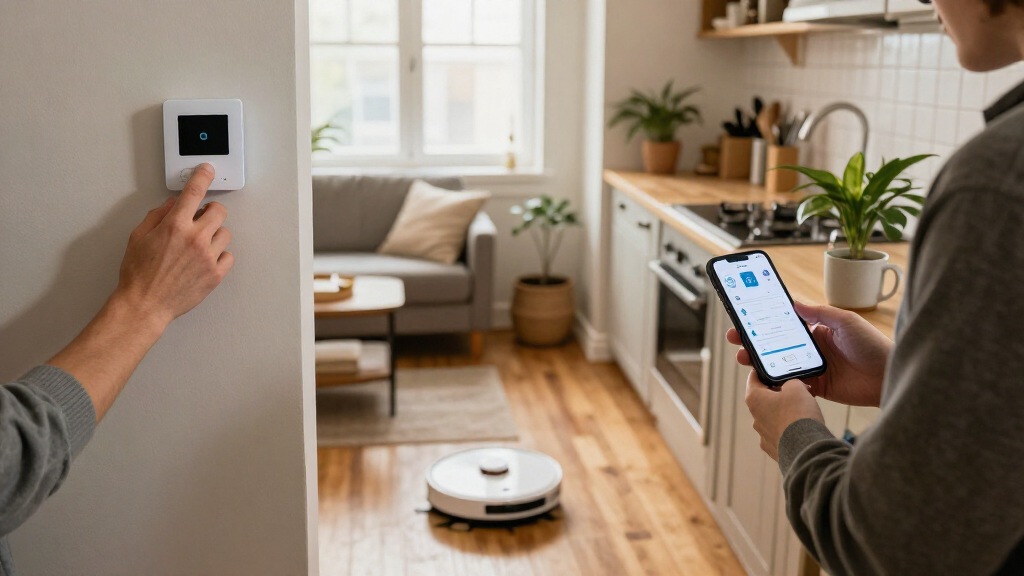
Both approaches can automate lights, locks and climate controls, as well as household routines. Machine-learning features or voice assistants may make controls feel more natural, but the source comparison does not identify a measured reduction in time or effort, or establish that AI features are available on every device.
Matter is designed to let participating products connect across supported brands and platforms. That can give households more choice when selecting devices and may make it easier to change a controller later. But compatibility with the standard does not mean every feature is shared: basic controls may work while a manufacturer’s special routines, sensor data or AI functions remain available only through its own platform.
Proprietary systems can coordinate products from one manufacturer more closely and may offer features tailored to those devices. They can also be simpler to manage when a household stays within one supported ecosystem. The trade-off is potential dependence on the maker’s device selection, software and account policies; changing systems later could mean losing features or replacing equipment.
How System Choice Shapes Daily Routines
The practical issue for buyers is whether they value choice across brands more than specialized integration. A household combining devices from different makers, or expecting to change platforms, may benefit from Matter’s broader compatibility aim. That flexibility still requires checking that the exact device and desired feature work with the intended controller.
For people who want a particular automation and are comfortable with one manufacturer, a proprietary system may deliver a more unified experience. Neither approach removes the need to review setup requirements, costs or privacy practices. The comparison says device selection and subscriptions can affect cost, and that privacy policies vary by brand and platform.
Reliability is also product-specific. Many Matter devices can communicate locally, according to the source, but actual behavior depends on the device and controller. A standard alone does not establish how a household’s system will perform during an internet outage or how much information a particular service collects.
Products Worth Considering

Apple Watch SE 3 GPS 40mm Smartwatch

Samsung 27-Inch Odyssey G5 QHD Gaming Monitor (G51F)

LG UltraGear 34G600A-B 34-Inch Curved WQHD Gaming Monitor
As an affiliate, we earn on qualifying purchases.
The Matter Versus Single-Brand Trade-Off
The comparison frames the decision around flexibility versus integration, rather than claiming that one category is best for every home. Matter is a shared compatibility standard for participating devices. Proprietary systems center on a manufacturer’s own products and selected partners, potentially giving that company more control over how devices and routines work together.
The source also names Hubitat, SwitchBot and Green as possible products or platforms, but does not provide independent test results or enough detail to verify particular performance claims. Its recommendations describe Hubitat as a choice for local reliability and flexible routines, SwitchBot for camera-aware, chat-based control subject to subscription and compatibility limits, and Green as an expandable local Home Assistant base when wired networking and add-on radios fit a buyer’s plans. Those are source recommendations, not confirmed comparative test findings.
More broadly, the source notes that a Matter-compatible device may need a compatible controller and that platform support varies. A one-brand setup may reduce some coordination work, while a mixed setup may require buyers to check each device’s supported features. The comparison does not give a comprehensive list of compatible products or platforms.
““For most buyers starting from scratch, Matter is the better foundation if they want choice and do not mind checking compatibility details.””
— ThorstenMeyerAI.com comparison
What Device Compatibility Still Leaves Open
The source does not provide test data, product-by-product compatibility results or measurements showing how much time AI automation saves. It also does not specify which AI functions are available on particular devices, how well they perform, or whether the named products support all the features described in a buyer’s preferred platform.
Privacy and local operation remain dependent on individual products. Matter does not establish one shared privacy policy, and the comparison says local communication and cloud dependence vary by device and controller. Buyers should not assume that cross-brand compatibility means identical data handling or that every feature will continue working if a cloud service changes.
The comparison gives no detailed pricing, subscription totals, long-term support commitments or migration costs. Those details could change which system is more practical for a particular household, and they are not resolved by the general comparison.
Check Features Before Building a System
For buyers considering a system, the next step is to identify the devices and routines they actually need, then check compatibility for both the product and each desired feature. That includes confirming the required controller, app and subscription, rather than relying on a general claim that devices support Matter or belong to the same ecosystem.
Households weighing a proprietary setup should also check whether the manufacturer offers the products and integrations they expect to use, and what switching would involve. For either approach, reviewing privacy terms and local-control behavior can clarify how the system will work day to day.
No product launch, software update or further test milestone is announced in the source material. The comparison’s central advice remains conditional: choose cross-brand flexibility when future choice matters, or a proprietary system when its specific integration provides a clear benefit.
Key Questions
Can AI-powered home automation make chores easier?
It can automate routine controls such as lighting, locks and climate settings. The source does not provide measured evidence showing how much time or effort these systems save, and features vary by product.
Does Matter guarantee that every device feature works across platforms?
No. Matter is designed for participating devices to connect across supported platforms, but advanced routines and manufacturer-specific features may not carry over. Check support for the particular device and feature.
When might a proprietary smart home system be a better fit?
It may suit a household that wants closely integrated products from one maker or needs a specific routine that the system supports. The trade-off may be fewer device choices and a harder move to another platform.
Does Matter guarantee better privacy or reliability?
No. The comparison says privacy policies, cloud dependence and local operation vary by product and platform. Review the terms and capabilities of each device and controller.
Source: ThorstenMeyerAI.com