To write a standout QA resume, focus on highlighting your automation skills with tools like Selenium and JUnit, showcasing how you’ve integrated these into testing workflows to reduce manual effort. Emphasize your bug tracking experience with platforms like Jira, sharing specific examples of improvements in resolution times and product quality. Include measurable results, such as shortened testing cycles, and tailor your resume keywords to match the job. Continuing will reveal more tips to make your resume truly compelling.
Key Takeaways
- Highlight specific automation tools like Selenium and TestComplete, showcasing your ability to streamline testing processes.
- Include detailed bug tracking experience with tools such as Jira or Bugzilla, emphasizing defect resolution skills.
- Quantify your achievements, such as reducing testing cycles or improving response times, to demonstrate measurable impact.
- Incorporate legal or compliance knowledge relevant to the QA role to differentiate your expertise.
- Tailor your resume with targeted keywords from the job description to improve ATS compatibility and relevance.

Crafting a standout QA resume is essential to catching the eye of hiring managers and landing your dream job. Your resume should clearly showcase your skills, experience, and ability to contribute to quality assurance processes. One key area to highlight is your familiarity with automating tools, as automation is transforming the QA landscape by increasing efficiency and accuracy. Mention specific automation tools you’ve used, such as Selenium, JUnit, or TestComplete, and describe how you’ve integrated them into testing workflows. Demonstrate your ability to develop and maintain automated test scripts, emphasizing how automation reduces manual effort and accelerates defect detection. This not only shows your technical expertise but also your commitment to streamlining testing processes.
Another critical aspect to emphasize is your experience with bug tracking. Hiring managers want to see that you can effectively identify, document, and communicate bugs using industry-standard tools like Jira, Bugzilla, or Trello. Highlight instances where your bug tracking skills led to faster resolution times or improved product quality. Clearly articulate your process for reproducing defects, prioritizing issues, and collaborating with developers and stakeholders to ensure timely fixes. This demonstrates your analytical mindset and your capacity to work within a team to deliver high-quality products.
Highlight your bug tracking expertise to improve resolution times and product quality through effective defect management.
In your resume, it’s essential to translate your hands-on experience into measurable results. For example, mention how implementing automation reduced testing cycles by a certain percentage or how your detailed bug reports improved developer response times. Use action verbs like “developed,” “implemented,” “optimized,” and “collaborated” to convey your proactive approach. Be specific about your role in the QA process, including how you’ve used bug tracking tools to monitor issues from discovery to resolution. This paints a picture of a proactive professional who understands the full lifecycle of defect management.
Furthermore, understanding the relevant laws and guidelines surrounding alimony and divorce can give you an edge in navigating legal discussions or negotiations related to your role, especially if your QA work involves legal or compliance documentation. Finally, tailor your resume to match the job description. If the position emphasizes automation, make sure your experience with automating tools is prominently featured. If bug tracking is a priority, detail your expertise managing defects from start to finish. Use keywords naturally within your descriptions to pass applicant tracking systems and catch the recruiter’s eye. Remember, a polished, focused resume that clearly demonstrates your technical skills and problem-solving abilities will set you apart from other candidates and bring you closer to securing that coveted QA role.

Selenium with Python Simplified For Beginners – Simple, Concise & Easy guide to Automation Testing using Python and Selenium WebDriver
As an affiliate, we earn on qualifying purchases.
As an affiliate, we earn on qualifying purchases.
Frequently Asked Questions
How Can I Tailor My QA Resume for Different Industries?
To tailor your QA resume for different industries, focus on role customization by highlighting industry-specific language and relevant skills. Research each industry’s unique requirements, tools, and standards, then incorporate those keywords into your resume. Emphasize your experience that aligns with their needs, showcasing how your QA expertise can address their specific challenges. This targeted approach makes your resume stand out and demonstrates your adaptability across diverse sectors.
What Keywords Are Most Effective for ATS Optimization?
You should focus on resume keywords like “test planning,” “automation,” “bug tracking,” and “quality assurance” to boost ATS optimization. Incorporate these keywords naturally into your resume, especially in your skills, experience, and certifications sections. Use action verbs and specific terminology relevant to your industry. This helps ATS systems recognize your qualifications, increasing your chances of passing initial screenings and catching the eye of hiring managers.
How Much Technical Detail Should I Include?
Think of your resume as a toolbox—choose your tools carefully. You should include enough technical detail, like test case examples and relevant technical jargon, to showcase your skills but avoid overwhelming with every detail. Focus on clarity and relevance, highlighting your most impressive achievements. This balance helps recruiters see your expertise clearly without drowning in unnecessary specifics, making your resume both informative and engaging.
Should I Include Certifications and Training on My Resume?
Including certifications and training on your QA resume demonstrates your commitment to professional growth and technical expertise. Highlight relevant professional certifications and training programs that align with QA roles, as they show you stay current with industry standards. Place them in a dedicated section, and be specific about the skills gained. This helps employers quickly see your qualifications and dedication to continuous improvement in quality assurance.
How Do I Showcase Soft Skills Alongside Technical Abilities?
You should highlight your soft skills by integrating them into your work experiences. Show how your team collaboration and problem-solving skills helped resolve issues or improve processes. Use specific examples, like leading a team project or troubleshooting complex bugs, to demonstrate these abilities. This approach not only emphasizes your technical expertise but also showcases your ability to work well with others and solve problems efficiently.

JIRA Development Cookbook
As an affiliate, we earn on qualifying purchases.
As an affiliate, we earn on qualifying purchases.
Conclusion
Remember, a great QA resume isn’t just about listing skills—it’s about demonstrating your ability to uncover the truth and guarantee quality. Think of your experience as a detective’s toolkit; each skill and achievement demonstrates your commitment to excellence. By showcasing your problem-solving prowess, you uphold the theory that thorough testing reveals the hidden flaws others might miss. Ultimately, your resume should reflect your passion for uncovering the truth and delivering flawless results.

Selenium Testing Tools Cookbook – Second Edition
As an affiliate, we earn on qualifying purchases.
As an affiliate, we earn on qualifying purchases.
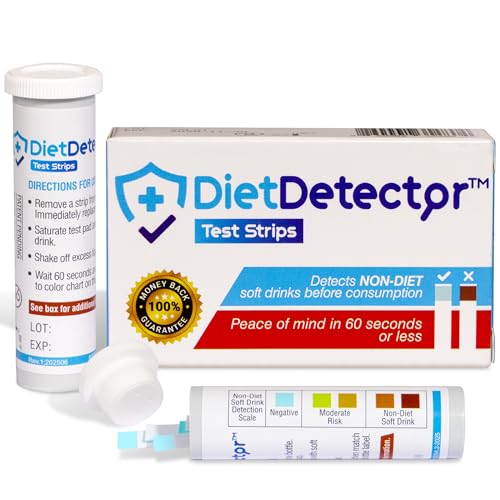
DietDetector Strips – Detects Non-Diet Soft Drinks Before Accidental Consumption – A Must Have for Diabetics and The Health Conscious – 40 DietDetector Test Strips
OFFICIAL DIETDETECTOR TEST STRIPS — This is the official listing for DietDetector Test Strips, the product trending all…
As an affiliate, we earn on qualifying purchases.
As an affiliate, we earn on qualifying purchases.