

To avoid QA burnout and guarantee your career lasts, prioritize your mental and physical health by managing stress with deep breathing, regular breaks, and healthy routines. Set clear boundaries for work hours, stay active, and take time for hobbies outside of work. Communicate openly with your team about workload challenges and regularly review your priorities. By maintaining balance and self-care, you’ll stay motivated and resilient—keep exploring how to sustain your passion over the long term.
Key Takeaways
- Prioritize work-life balance by setting boundaries and disconnecting after hours.
- Use stress management techniques like deep breathing and regular breaks to stay calm under pressure.
- Maintain physical and mental health through adequate sleep, exercise, and healthy routines.
- Communicate workload concerns openly with teammates and supervisors to prevent overwhelm.
- View testing as a long-term career, emphasizing consistent self-care to sustain passion and avoid burnout.

Have you ever felt overwhelmed by the relentless pace of quality assurance work? If so, you’re not alone. QA roles often come with tight deadlines, constant bug reports, and high expectations, which can lead to stress and burnout if you’re not careful. To stay resilient and maintain your passion for testing, focusing on stress management and work-life balance is vital. These elements help you navigate the demands of your job without sacrificing your well-being.
First, recognize the significance of managing stress effectively. When deadlines loom or bugs pile up, it’s easy to feel anxious or overwhelmed. Take deliberate steps to stay calm, such as deep breathing exercises, short breaks, or even quick stretches during your workday. These small actions can reset your mind and reduce immediate tension. Also, don’t hesitate to ask for help when needed—collaborate with teammates to share the workload or clarify priorities. Remember, stress isn’t just a mental state; it physically affects your health and productivity. Developing healthy coping mechanisms keeps your mind sharp and prevents burnout from building up over time. Additionally, understanding the importance of color accuracy in visual presentations can help you appreciate how visual clarity and quality affect user satisfaction and overall project success.
Manage stress with deep breathing, breaks, and teamwork to maintain health and prevent burnout.
Next, prioritize work-life balance to sustain your career long-term. It’s tempting to work late or skip breaks to meet deadlines, but this approach is unsustainable. Set clear boundaries for your work hours and stick to them. When your shift ends, disconnect completely—avoid checking emails or work-related messages. This separation allows you to recharge mentally and physically, making you more effective during work hours. Make time for hobbies, exercise, or social activities outside of work. These outlets provide a necessary mental escape and help you maintain perspective. Remember, your health and happiness directly impact your work quality and longevity in the field.
Additionally, consider implementing routines that foster balance and reduce stress. Start your day with a quick planning session to set realistic goals, and end it with a reflection on what you accomplished. Regularly review your workload and adjust your priorities as needed. Keep communication open with your team and supervisors about your capacity—sometimes, workload adjustments are necessary to prevent overwhelm. Don’t forget the importance of self-care; adequate sleep, a balanced diet, and physical activity are fundamental to managing stress effectively and staying energized.
Ultimately, avoiding QA burnout comes down to actively managing your stress and maintaining a healthy work-life balance. Your career as a tester is a marathon, not a sprint. By taking small, consistent steps to care for yourself, you guarantee that you can enjoy your work without sacrificing your health or enthusiasm. This mindful approach helps you build a sustainable career, where passion for quality assurance endures and burnout remains at bay.
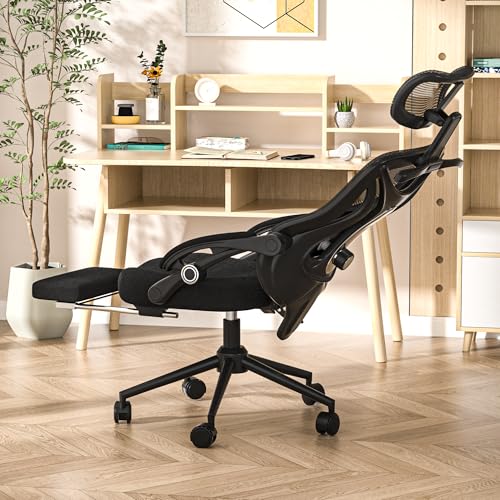
Ergonomic Office Chair with Footrest – Adjustable Lumbar Support & Headrest, 90-160° Reclining Mesh Back Computer Chair – Home Office/Gaming, 350lbs Capacity
This is more than a chair; it's a personalized comfort zone for work, rest, and play. We've meticulously…
As an affiliate, we earn on qualifying purchases.
As an affiliate, we earn on qualifying purchases.
Frequently Asked Questions
How Can Testers Effectively Manage Work-Life Balance?
To manage work-life balance effectively, prioritize your tasks and set clear boundaries between work and personal time. Practice stress management techniques like deep breathing or breaks during your day. Communicate your limits with colleagues and supervisors to avoid overcommitment. Regularly disconnect from work-related devices after hours, and make time for hobbies or relaxation. This approach helps you stay energized, reduces stress, and sustains your long-term career in QA.
What Skills Help Prevent Burnout in QA Roles?
You can prevent burnout in QA roles by honing stress management skills to handle pressure effectively. Additionally, diversifying your skill set keeps your work engaging and prevents monotony. Learn new testing tools, programming languages, or automation techniques to stay versatile. This combination of stress management and skill diversification helps you maintain enthusiasm, reduces fatigue, and promotes long-term career satisfaction in QA.
Are There Specific Certifications That Promote Career Growth?
Think of certifications as your lighthouse guiding your career through foggy waters. Earning advanced certifications like ISTQB Expert or specialized training in automation tools signals your growth and commitment. These credentials not only boost your skills but also open doors to higher roles. By investing in such certifications, you stay ahead of industry changes, ensuring your career remains vibrant and fulfilling, much like a lighthouse steady amid shifting tides.
How Does Team Size Impact Tester Burnout Risk?
A larger team size can spread the workload more evenly, reducing your risk of burnout, while smaller teams might overload you with responsibilities. Effective workload management is key—if your team is small, advocate for clear task prioritization and resource support to prevent burnout. Conversely, in larger teams, make sure open communication channels so workload is balanced fairly. Adjusting your strategies based on team size helps maintain your career longevity.
What Mental Health Resources Are Available for Testers?
You can access mental health apps like Headspace or Calm to manage stress and maintain focus. Joining peer support groups, whether online or in person, provides a safe space to share experiences and gain advice. Don’t hesitate to seek professional help if needed. Prioritizing your mental health is essential for your career longevity and overall well-being, so make use of these resources regularly to stay resilient.

livho High Tech Blue Light Glasses – Advanced Blue Light Blocking Computer Glasses – Screen Fatigue & UV Protection
Elevate your screen time comfort with these stylish women's/men's eyewear frame blue light blocking glasses, designed to reduce…
As an affiliate, we earn on qualifying purchases.
As an affiliate, we earn on qualifying purchases.
Conclusion
Remember, maintaining your passion in QA is like tending a delicate garden—regular care keeps it thriving. I once knew a tester who faced burnout but took small breaks and set boundaries; over time, their enthusiasm bloomed again. According to industry surveys, testers who prioritize self-care report 30% higher job satisfaction. So, nurture your well-being, stay curious, and don’t let burnout prune your career’s growth. Your longevity depends on the care you give yourself today.

ProCase Noise Reduction Ear Muffs, Sound Proof Ear Protection, NRR 28dB Noise Cancelling Headphones for Adults Kids Autism, Hearing Protection for Mowing -Black
Constructed by solid ABS shell and thickened foam, the ear muffs achieve NRR 28 dB (SNR 34 dB)…
As an affiliate, we earn on qualifying purchases.
As an affiliate, we earn on qualifying purchases.
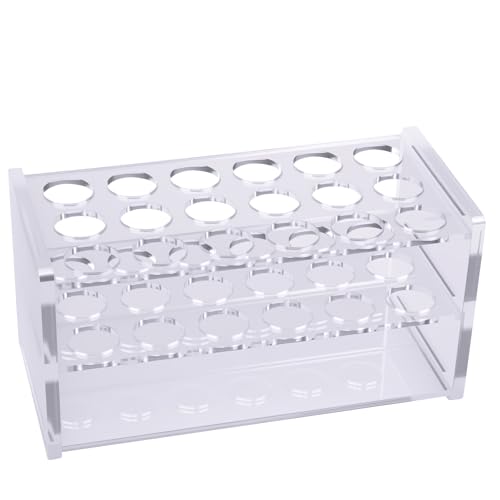
NiuXTool Clear Acrylic Test Tube Rack – Thickened 4.5mm 18-Hole (17mm) Holder for 10ml & 15ml Tubes, Pens, Markers – Transparent Lab & Desk Organizer (Clear – 18 Holes)
Reinforced 4.5mm Acrylic Construction – Built from premium thickened acrylic, this rack offers superior durability, preventing cracks and…
As an affiliate, we earn on qualifying purchases.
As an affiliate, we earn on qualifying purchases.