

In the Agile era, you shift from viewing QA as a final step to integrating testing throughout your development process. Continuous testing and automation help catch issues early, ensuring faster delivery without sacrificing quality. By adopting practices like continuous integration, you transform QA into a constant part of your workflow, enabling reliable, rapid releases. Keep exploring how these strategies work together to help you adapt and succeed in modern development environments.
Key Takeaways
- QA becomes an integrated, continuous process rather than a separate phase, aligning with rapid Agile iterations.
- Test automation and Continuous Integration enable faster feedback and early detection of issues.
- Automated testing supports frequent releases, reducing manual effort and increasing test coverage.
- Embedding QA into development workflows fosters a proactive, quality-driven culture.
- Modern QA emphasizes ongoing quality assurance, ensuring resilient, high-quality software in fast-paced environments.

In the Agile era, quality assurance (QA) has shifted from a separate phase to an essential part of the development process. You no longer wait until the end of a project to test your software; instead, testing occurs continuously throughout development. This change demands that you adapt your QA strategies to keep pace with rapid iterations and frequent releases. One of the most effective ways to do this is through Test Automation, which allows you to run tests quickly and consistently, catching issues early before they escalate. Automated tests can be integrated into your workflow, giving you immediate feedback on code changes, reducing manual effort, and increasing test coverage. As you develop new features or fix bugs, automated tests verify that everything works as intended, ensuring that quality is maintained without slowing down delivery.
Continuous testing and automation ensure quality without slowing development.
Alongside Test Automation, Continuous Integration (CI) plays a crucial role in modern QA. When you implement CI, every code change you make is automatically integrated into a shared repository, triggering automated builds and tests. This process provides rapid validation of your code, helping you identify integration problems immediately. By catching issues early, you prevent them from accumulating and becoming costly to fix later. CI fosters collaboration among your development and QA teams, creating a culture of shared responsibility for quality. It also encourages frequent, smaller updates, which are easier to test and deploy, reducing the risk of introducing bugs into production.
In practice, combining Test Automation with Continuous Integration transforms your QA approach into a dynamic, real-time quality gate. Instead of relying on manual testing at fixed intervals, you gain continuous assurance that your software meets quality standards. This shift requires your team to embrace automation tools, develop extensive test suites, and embed testing into your daily workflows. It also means that QA is no longer a bottleneck but a facilitator of rapid, reliable releases. As a result, you can deliver higher-quality software faster, respond quickly to changes, and maintain a competitive edge.
Ultimately, adapting traditional QA to modern workflows through Test Automation and Continuous Integration empowers you to build resilient, high-quality applications. You become proactive rather than reactive, catching issues early and maintaining confidence in your releases. This integrated approach is essential for thriving in the fast-paced, iterative landscape of Agile development, ensuring that quality remains a constant, integral part of your process. Emphasizing automated testing is especially crucial, as it enables teams to sustain high velocity without compromising on quality.
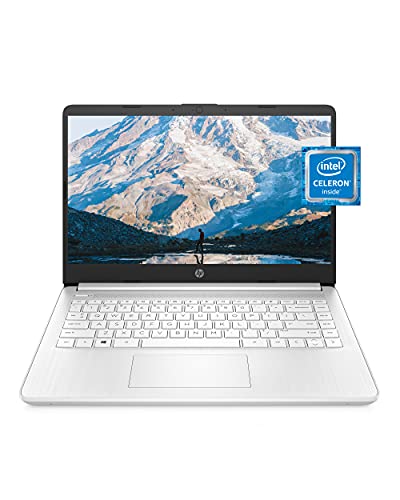
HP 14 Laptop, Intel Celeron N4020, 4 GB RAM, 64 GB Storage, 14-inch Micro-edge HD Display, Windows 11 Home, Thin & Portable, 4K Graphics, One Year of Microsoft 365 (14-dq0040nr, Snowflake White)
READY FOR ANYWHERE – With its thin and light design, 6.5 mm micro-edge bezel display, and 79% screen-to-body...
As an affiliate, we earn on qualifying purchases.
Frequently Asked Questions
How Does Agile Impact QA Team Roles and Responsibilities?
Agile transforms your QA team by making roles more collaborative and integrated into development. Your team now focuses on test automation early, ensuring faster feedback, and actively participates in user acceptance testing to align with customer needs. Responsibilities shift from isolated testing to continuous quality checks, requiring you to adapt quickly, communicate effectively, and embrace automation tools, all to deliver high-quality software faster and more efficiently in a dynamic environment.
What Tools Best Support QA in Agile Workflows?
Think of your QA toolkit as your Excalibur in Agile; test automation tools like Selenium and Cypress empower you to run quick, reliable tests, while platforms like JIRA and Zephyr help manage your exploratory testing and collaboration. These tools support continuous feedback, guarantee quality at every sprint, and keep your team aligned. Embrace them to streamline your workflow, boost efficiency, and deliver exceptional software faster.
How Can Traditional QA Metrics Be Adapted for Agile?
You can adapt traditional QA metrics for agile by focusing on test coverage and bug trends. Track how much of your codebase is tested in each sprint, ensuring exhaustive test coverage. Monitor bug trends to identify recurring issues and measure improvements over time. This approach helps you stay responsive, continuously improve quality, and align testing efforts with rapid development cycles, making your QA process more agile and effective.
What Are Common Challenges When Transitioning to Agile QA?
You might struggle with integrating test automation effectively and fostering team collaboration during your shift to agile QA. Resistance to change can hinder adopting new tools, while siloed teams may slow down communication. Ensuring everyone understands the importance of automation and encouraging open collaboration helps overcome these challenges. Embrace continuous learning, adapt processes, and promote shared responsibility to make your agile QA transition smoother and more successful.
How Does QA Ensure Quality Across Continuous Integration Cycles?
Like a trusty compass guiding your ship, automation testing and defect tracking guarantee quality across CI cycles. You integrate automated tests into your pipeline, catching bugs early and reducing manual effort. Meanwhile, defect tracking helps you prioritize issues efficiently, preventing regressions. Together, these tools provide continuous feedback, enabling you to maintain high quality standards while adapting swiftly to rapid development changes.

Dell Tower Desktop ECT1250 - Intel Core Ultra 7-265 Processor, UHD Graphics, 32GB Memory, 1TB M.2 SSD, 3.0 SD Card Reader, Wired Keyboard and Mouse, Windows 11 Home, Basic Onsite Service
Speed up your tasks with AI: Unlock new levels of productivity and creativity by upgrading to Intel Core...
As an affiliate, we earn on qualifying purchases.
Conclusion
As you navigate the agile seas, remember that adapting your QA process is like tuning a finely crafted instrument—every string must be in harmony. Embrace the fast-paced rhythm, stay flexible, and let collaboration be your compass. By weaving traditional QA into modern workflows, you create a symphony of quality that resonates through every sprint. Keep your eyes on the horizon, and let continuous improvement be the wind that carries you forward.

UGREEN 8K@60Hz Displayport KVM Switch 2 Monitors 2 Computers, Aluminum with 4 USB 3.0 Ports for 2 Computers Share Dual Monitors Keyboard Mouse Printer with 2 USB Cables/Power Adapter/Controller
Displayport KVM Switch 2 Monitors 2 Computers: This KVM switch allows you to easily manage and switch between...
As an affiliate, we earn on qualifying purchases.

64GB - 16-in-1, Bootable USB Drive 3.2 for Linux & Windows 11, Zorin | Mint | Kali | Ubuntu | Tails | Debian, Supported UEFI and Legacy
For beginners, refer image-7, its a video boot instruction, and image-6 is "boot menu Hot Key list"
As an affiliate, we earn on qualifying purchases.