
TL;DR

Get business pricing on monitors, keyboards and dev gear
- Business-only prices and quantity discounts
- Tax-exempt purchasing
- Multiple users, one account, clear invoices
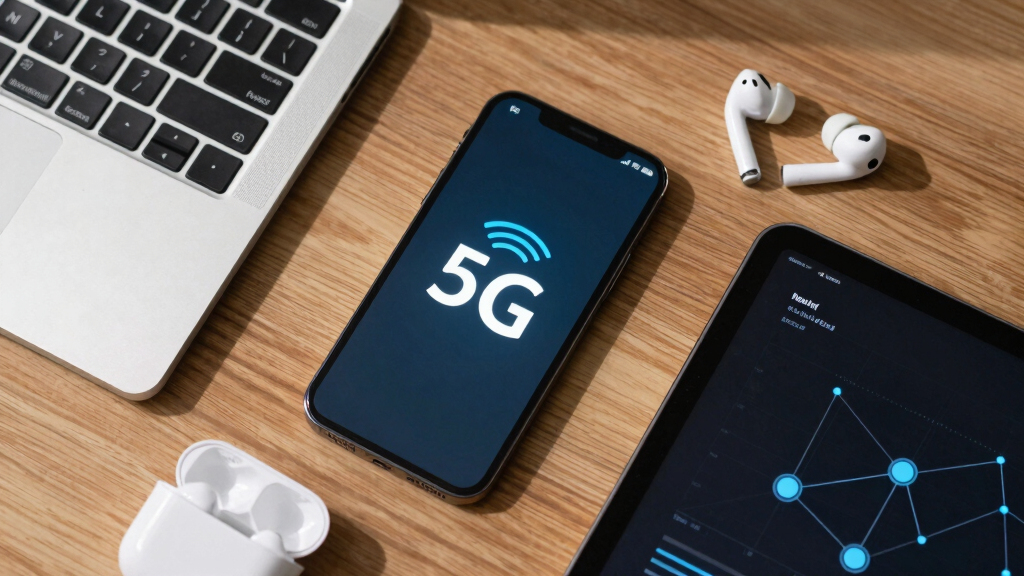
The Federal Communications Commission (FCC) is set to vote next month on new regulations that may alter the 5G service landscape for major carriers T-Mobile, Verizon, and AT&T. The outcome could lead to significant changes in network deployment and coverage.
The Federal Communications Commission (FCC) is scheduled to hold a vote next month on new regulations that could significantly influence the 5G services of T-Mobile, Verizon, and AT&T. This development is crucial because it may alter the regulatory environment for network deployment, affecting coverage, investment, and consumers’ access to advanced wireless services.
According to sources familiar with the FCC’s agenda, the commission plans to consider rules that could restrict certain spectrum uses or impose new requirements on 5G infrastructure deployment. The specific proposals are still under discussion, but they are expected to focus on spectrum management and environmental or safety standards that could impact how carriers expand their networks.
Industry insiders warn that these regulations, if enacted, might slow the rollout of new 5G infrastructure or increase operational costs for providers. T-Mobile, Verizon, and AT&T have all indicated that regulatory changes could influence their future investment plans, but none have yet specified the exact effects.
FCC Chairperson Jessica Rosenworcel has emphasized that the agency’s goal is to promote fair spectrum use and protect consumers, but critics argue that overly restrictive rules could hinder technological progress and competition in the sector.
Potential Industry-Wide Impact of the FCC Decision
This vote could reshape the competitive landscape of 5G wireless services in the United States. If the regulations impose significant restrictions, it may delay the deployment of next-generation networks, limit coverage expansion, and increase costs for the major carriers. Such changes could ultimately affect consumers through slower service improvements or higher prices.
Moreover, the decision could influence future investments in 5G infrastructure, with carriers potentially reallocating resources or reconsidering expansion strategies. The outcome may also set a precedent for how spectrum and environmental regulations are applied to wireless networks nationwide.
5G smartphone compatible with T-Mobile Verizon AT&T
As an affiliate, we earn on qualifying purchases.
As an affiliate, we earn on qualifying purchases.
Background on FCC’s Role in 5G Regulation
The FCC has historically overseen spectrum allocation and wireless regulations in the United States. Over the past few years, the agency has prioritized expanding 5G coverage and promoting technological innovation. Recent proposals have focused on spectrum sharing, environmental reviews, and safety standards, which aim to balance development with public interests.
In recent months, discussions have intensified within the FCC about introducing new rules that could restrict certain spectrum uses or impose stricter environmental assessments. Industry groups and carriers have expressed concern that such measures could slow 5G deployment, while some consumer advocates argue they are necessary for safety and sustainability.
The upcoming vote is part of this broader regulatory debate, with the potential to significantly influence the sector’s trajectory over the next several years.
“Our goal is to ensure fair spectrum use and protect consumers, while fostering innovation in 5G deployment.”
— FCC Chair Jessica Rosenworcel
As an affiliate, we earn on qualifying purchases.
Unresolved Details of the Proposed Regulations
It is not yet clear exactly what specific rules the FCC will adopt or how they will be implemented. The proposals are still under discussion, and final details may change before the vote. Additionally, the precise impact on T-Mobile, Verizon, and AT&T remains uncertain until the regulations are finalized and carriers respond to the new environment.
As an affiliate, we earn on qualifying purchases.
Next Steps After the FCC Vote
The FCC is expected to hold its vote next month, with a decision announced shortly afterward. Industry stakeholders will then assess how the new regulations affect their deployment plans and operational costs. Carriers may need to adjust their strategies or seek regulatory relief if the rules are restrictive. Further legal or legislative challenges could also follow, depending on the outcome.
As an affiliate, we earn on qualifying purchases.
Key Questions
How could the FCC regulation change affect my 5G service?
If the regulations slow network deployment or increase costs, consumers might experience slower expansion of coverage, potential service disruptions, or higher prices for wireless plans.
Which companies are most likely to be impacted?
The major U.S. carriers—T-Mobile, Verizon, and AT&T—are directly affected, as the regulations could influence their network expansion and investment strategies.
When will the FCC announce its decision?
The FCC is scheduled to vote next month, with a decision expected shortly afterward. The exact date has not been publicly confirmed.
Could this regulatory change be challenged legally?
Yes, stakeholders or affected companies may pursue legal action if they believe the regulations are overly restrictive or violate existing laws.
What is the main goal of the FCC’s proposed regulations?
The FCC aims to promote fair spectrum use, environmental safety, and consumer protection while supporting 5G network growth.
Source: google-trends
Fall Picks
fall essentials
As an affiliate, we earn on qualifying purchases.