
TL;DR

Get business pricing on monitors, keyboards and dev gear
- Business-only prices and quantity discounts
- Tax-exempt purchasing
- Multiple users, one account, clear invoices
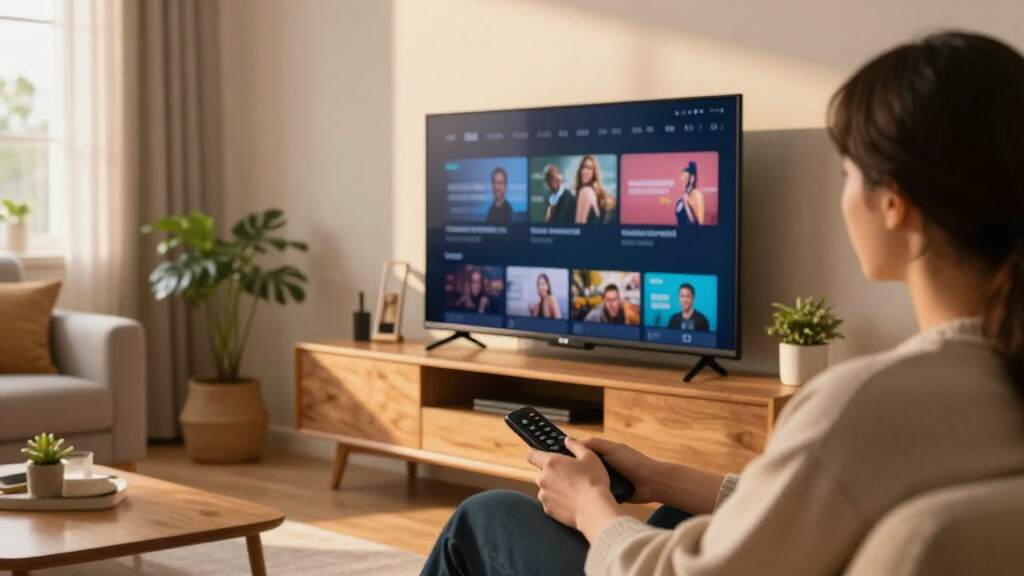
LG has officially denied allegations that its smart TVs track or spy on users. The company states these claims are false, amid growing public concern and media attention. The issue remains under investigation as questions about privacy persist.
LG has officially denied allegations that its smart TVs are involved in spying or tracking user activity. The company states that claims of snooping are ‘not true,’ amid a surge in media coverage and public concern over privacy issues related to connected devices. This development comes as regulatory and consumer watchdogs scrutinize data collection practices by smart device manufacturers.
In a statement published on its official website, LG emphasized that its smart TVs do not engage in any form of unauthorized tracking or spying. The company said, ‘Claims suggesting our TVs track user activity or snoop on private conversations are false and without basis.’
LG’s comments follow recent media reports and social media discussions alleging that certain smart TV models may be collecting user data without explicit consent. These reports have fueled fears about privacy violations and possible misuse of personal information.
While LG maintains that its devices are designed with user privacy in mind, the company has not disclosed specific technical details or data policies to fully address the concerns. Regulatory authorities in some regions are reportedly examining these claims, but no formal investigations have been publicly confirmed at this point.
Implications for Smart TV Privacy and Consumer Trust
This controversy underscores growing public anxiety about privacy in the era of connected devices. If allegations of spying are unfounded, LG’s swift denial could help restore consumer confidence. However, the incident highlights the importance of transparency from device manufacturers regarding data collection practices, especially as smart TVs become more integrated with home automation and AI features. The case could influence industry standards and regulatory scrutiny around user privacy.
Products Worth Considering

Sonos Era 100 Wireless Smart Speaker, Black

Logitech MX Mechanical Wireless Illuminated Keyboard, Tactile Quiet, Graphite

Bose TV Speaker (2nd Gen) Compact Soundbar with Bluetooth and HDMI Connectivity
As an affiliate, we earn on qualifying purchases.
Background of Privacy Concerns in Smart Devices
Allegations of data collection and privacy breaches in smart TVs are not new. Previous incidents involved various brands accused of tracking viewing habits or listening to conversations through built-in microphones. Public awareness has increased as consumers demand greater transparency and control over their personal data. Recent spikes in coverage are driven by social media discussions and investigative reports, though the specific trigger for this renewed attention remains unconfirmed.
LG, as one of the leading manufacturers of smart TVs, has faced similar scrutiny in the past but has consistently denied any misuse of user data. The current controversy appears to be part of a broader trend where privacy concerns about connected home devices are gaining prominence in the tech community and among regulators.
Unconfirmed Aspects of the Allegations and Response
It is not yet clear what specific evidence, if any, prompted the initial claims of spying. LG’s technical details regarding data collection and privacy protections have not been fully disclosed, leaving some questions unanswered. Regulatory investigations, if any, are also not publicly confirmed, and the scope of potential findings remains unknown.
Additionally, the origin of the claims—whether they stem from misinformation, misinterpretation, or actual technical issues—is still under investigation. The true extent of any privacy breach, if it exists, remains uncertain at this stage.
Next Steps in Clarifying the Privacy Allegations
LG is expected to provide more detailed information about its data policies and privacy safeguards in the coming weeks. Regulatory bodies may initiate formal investigations into the claims, which could lead to audits or compliance reviews. Consumer advocacy groups are also likely to continue monitoring the situation and may push for greater transparency across the industry.
Public trust will depend on how convincingly LG and other manufacturers address these concerns and demonstrate their commitment to user privacy. Further disclosures and independent assessments are anticipated to clarify the situation.
Key Questions
Did LG admit to spying on users?
No, LG has explicitly denied that its smart TVs track or spy on users. The company states that the claims are false.
What specific claims are being denied?
Claims suggesting that LG’s smart TVs are involved in unauthorized tracking, listening, or data collection without user consent are being denied by the company.
Are regulatory investigations ongoing?
It is not confirmed whether regulatory bodies are investigating these claims, although some authorities may be examining the allegations.
Could this impact LG’s reputation?
Yes, if the claims are proven false, LG’s reputation might be restored. However, ongoing concerns about privacy could influence consumer trust and industry standards.
What should consumers do if they are concerned?
Consumers should review privacy policies, disable any features they are uncomfortable with, and stay informed about updates from manufacturers regarding data practices.
Source: hn