

To find or become a QA mentor, focus on refining your skills in areas like automation, performance analysis, and test management, while cultivating a supportive attitude. Seek opportunities where you can share your expertise, such as professional networks or industry events. As a mentor, actively listen to your mentee’s goals, offer specific, empathetic feedback, and build trust to foster growth. Continuing will help you open more strategies for effective mentorship in the QA community.
Key Takeaways
- Identify your strengths and areas of expertise to effectively guide and support mentees.
- Build trust through active listening, empathy, and personalized advice tailored to mentee goals.
- Stay current with QA trends and AI tools to provide relevant, innovative mentorship.
- Offer specific, actionable feedback that encourages continuous learning and skill development.
- Engage in ongoing dialogue, fostering motivation and a growth-oriented environment for both parties.

Mentorship plays an indispensable role in shaping a successful QA career by providing guidance, sharing knowledge, and fostering professional growth. Whether you’re just starting out or are an experienced QA professional, having a mentor can accelerate your learning curve and help you navigate the complexities of quality assurance. As a mentor or mentee, you understand that effective feedback is the cornerstone of growth. When you give or receive constructive insights, you create an environment where skill development thrives. Feedback that is specific, actionable, and delivered with empathy allows you to recognize areas for improvement without feeling criticized. This dynamic encourages continuous learning and boosts confidence, making it easier to tackle challenging projects or adopt new tools and methodologies.
Mentorship accelerates QA growth through guided feedback, fostering continuous learning and confidence in navigating complex testing challenges.
If you’re looking to become a mentor, your role extends beyond just sharing your experience. You actively listen to your mentee’s goals and challenges, tailoring your advice to their unique needs. Your ability to provide effective feedback helps them understand their strengths and identify opportunities for growth. This ongoing dialogue not only enhances their skills but also builds trust and motivates them to push their boundaries. As they develop new competencies—whether it’s automation testing, performance analysis, or test case management—they’ll look up to you as a reliable source of insight and encouragement. Additionally, engaging with the latest AI-driven tools can help you identify innovative ways to support your mentees’ development.
On the flip side, if you’re seeking a mentor, it’s crucial to be receptive to feedback. Embrace every opportunity to learn from someone more experienced, and don’t shy away from asking questions. A good mentor will challenge you, help you recognize your blind spots, and guide you through complex scenarios. This dynamic fosters skill development by exposing you to diverse perspectives and real-world best practices. Through regular feedback sessions, you’ll gain clarity on your progress and receive practical advice to refine your techniques. As you grow, you’ll notice your confidence increasing, and your ability to handle complex testing situations will improve markedly.
Being involved in a mentorship relationship also encourages continuous skill development. As a mentee, you learn to accept critique and implement suggestions, which accelerates your mastery of QA tools and processes. As a mentor, you sharpen your leadership abilities and stay current with industry trends, which in turn enhances your own expertise. Ultimately, mentorship creates a cycle of growth—uplifting both parties and enriching the QA community as a whole. Whether you’re guiding others or seeking guidance yourself, fostering effective feedback and prioritizing skill development are key to building a thriving, knowledgeable QA workforce. Recognizing the value of predictive modeling can further empower mentors and mentees to leverage data-driven insights for continuous improvement.

Automation Awesomeness: 260 actionable affirmations to improve your QA and automation testing skills
As an affiliate, we earn on qualifying purchases.
As an affiliate, we earn on qualifying purchases.
Frequently Asked Questions
How Do I Identify a Suitable Mentee in QA?
You identify a suitable mentee in QA by observing their enthusiastic for skills development and willingness to learn. Look for team members who actively seek feedback and show initiative in improving their testing techniques. Use communication strategies like open-ended questions to gauge their goals and motivation. A good mentee demonstrates curiosity, receptiveness to advice, and a proactive attitude toward enhancing their QA skills, making them an ideal candidate for mentorship.
What Are Effective Ways to Mentor Remote QA Team Members?
Imagine guiding your remote QA team as if you’re in the same room. Use regular video calls to foster open remote communication and build trust. Share clear expectations and provide constructive feedback. Conduct skill assessments through practical tasks or quizzes, then tailor coaching accordingly. Leverage collaboration tools for real-time support. This approach keeps your team engaged, aligned, and continuously improving despite the physical distance.
How Can Experienced QA Professionals Find Mentorship Opportunities?
You can find mentorship opportunities by leveraging your QA certification and showcasing your QA leadership skills. Join professional groups, attend industry conferences, and participate in online QA communities to connect with experienced professionals. Reach out to potential mentors, express your goals, and ask for guidance. Many organizations value proactive individuals, so demonstrating your commitment and leadership can open doors to mentorship roles that enhance your skills and career growth.
What Common Challenges Do QA Mentors Face?
Ever wondered what hurdles QA mentors face? You might struggle with mentorship strategies that don’t suit everyone’s learning style or find it tough to balance offering guidance with your own responsibilities. Maintaining effective communication and fostering genuine skill development can also be challenging. These obstacles require patience, adaptability, and clear goals, ensuring your mentorship positively impacts skill growth without burnout. Do you have the tools to overcome these common mentorship challenges?
How Do Mentorship Roles Impact Career Growth in QA?
Mentorship roles substantially boost your career growth in QA by enhancing your skill development and showcasing your leadership qualities. When you mentor others, you deepen your understanding of testing processes, gain valuable experience, and build a reputation as a knowledgeable professional. This proactive approach opens doors to advanced roles, increases your influence in projects, and demonstrates your capability to lead, ultimately accelerating your career trajectory.
performance analysis software for QA
As an affiliate, we earn on qualifying purchases.
As an affiliate, we earn on qualifying purchases.
Conclusion
Stepping into a QA mentorship is like planting a seed that blossoms into a thriving garden of knowledge. Whether you’re guiding others or learning from a mentor, you’re shaping a future where quality assurance flourishes. Embrace the journey, share your insights, and stay curious. Remember, mentorship isn’t just about passing on skills; it’s about lighting a path that others will follow long after you’ve moved on. Your impact can grow into something truly extraordinary.
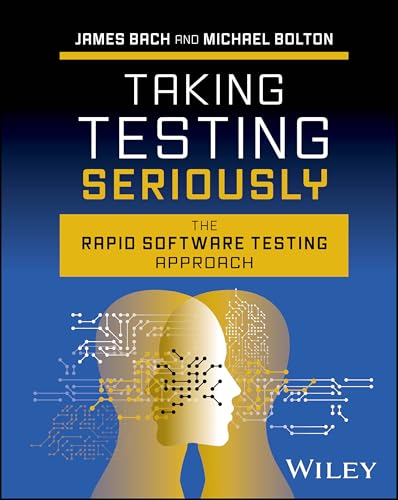
Taking Testing Seriously: The Rapid Software Testing Approach
As an affiliate, we earn on qualifying purchases.
As an affiliate, we earn on qualifying purchases.
As an affiliate, we earn on qualifying purchases.