🔍 Read the full analysis: AI And The Authenticity Of Legal Precedents In Korean Courts on ThorstenMeyerAI.com

Get business pricing on monitors, keyboards and dev gear
- Business-only prices and quantity discounts
- Tax-exempt purchasing
- Multiple users, one account, clear invoices
TL;DR
South Korea’s National Court Administration published a survey on November 2, 2026, finding that about 80% of responding civil, family and administrative judges had encountered false or nonexistent legal citations. The results reflect judges’ reported experiences, not a measured rate across court filings; the administration plans to propose procedural-law changes, including a legal basis for fines.
South Korea’s National Court Administration said on November 2 that about 80% of responding judges handling civil, family and administrative cases had encountered false or nonexistent legal precedents in court filings. The survey of 360 judges has prompted calls for citation-verification duties, disclosure of AI use and possible fines, as authorities consider changes to court procedure rules.
The survey was conducted from October 6 to 16 among judges at courts of all levels. The court administration reported that, among judges who said they had encountered false citations, 196 (80.7%) identified precedents that did not exist, while 159 (65.4%) reported real precedents cited with false content. Respondents could select more than one category.
The headline figure needs a defined denominator. The administration’s release says about 80% of responding judges handling civil, family and administrative cases had encountered the problem. Kyunghyang Shinmun reported that 243 of all 360 respondents (67.5%) had done so. The survey records judges’ experiences; it does not establish what share of filings contain fabricated citations or how frequently the practice occurs across the courts.
Judges said the material came from both parties and legal representatives. 164 judges (69.5%) named a party appearing without a lawyer, and 136 (57.6%) named a lawyer acting as a representative or defence counsel. The court administration said false citations appeared in submissions by both groups. These figures describe responses to the survey question, not a finding that any particular lawyer or litigant acted knowingly.
Pressure for Citation Safeguards
The reported examples put court time and reliable decision-making at issue. The administration said false citations require opposing parties to spend time checking authorities and can hinder the speedy progress of trials. A nonexistent judgment presented in a plausible format, or a genuine ruling described inaccurately, may require judges and parties to verify the underlying source before addressing the legal argument.
The survey also shows that judges see the issue as extending beyond people representing themselves. That matters because lawyers are responsible for checking authorities submitted on behalf of clients, even when material has been prepared with automated tools. The responses do not establish how many cases were affected, whether any outcome changed, or whether citations were deliberately falsified.
Most respondents supported an institutional response: 91.7% said one was needed, and 64.8% described it as very necessary. The most frequently selected measures included a legal basis for fines (61.4%), a duty to verify cited precedents (61.1%) and a duty to disclose AI use (60.6%). The results are preferences reported by judges, not rules already in force.
Products Worth Considering
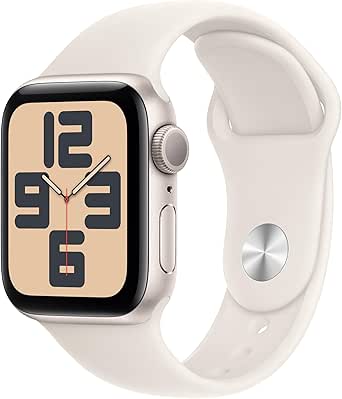
Apple Watch SE (2nd Gen) GPS 40mm with Starlight Aluminum Case and Sport Band (S/M)

Apple Watch Series 8 GPS, 41mm, Midnight Aluminum Case with Midnight Sport Band (S/M)

Amazon Kindle Scribe Colorsoft, 64GB, 11-Inch Color Display with Premium Pen
As an affiliate, we earn on qualifying purchases.
What the Survey Measured
The National Court Administration, an administrative body of South Korea’s Supreme Court, issued the four-page release through its Judicial Support Office. It said AI hallucinations can produce false or nonexistent precedents, creating an unnecessary verification burden and potentially slowing proceedings. The release does not say how many judges were invited to participate or reproduce the survey questions, limits that make it harder to assess response rates and interpret the findings.
The administration described examples that included AI-generated judgments formatted to resemble Supreme Court decisions, case numbers attached to reasoning that could not be located, and real decisions whose holdings were changed or misrepresented. It also cited filings containing text from conversations with an AI assistant or wording about litigation strategy that had been copied without editing.
One English-language report illustrates why checking original material matters. Yonhap’s English version, republished by The Korea Herald, said 164 judges had themselves cited false precedents. The Korean release instead says those judges identified the parties themselves as the source of false material. The survey does not say judges admitted to submitting fabricated citations.
Limits of the Findings
The survey’s findings are based on judges’ recollections of cases they encountered, not a review of a representative sample of filings. The administration did not disclose the number invited, the response rate or the exact wording of the questions in its release. The reported percentages therefore should not be treated as an estimate of the proportion of all court documents containing false citations.
It is also unclear how often AI tools were involved in the examples, whether the people who submitted inaccurate material knew it was false, and whether any ruling or case outcome was affected. The administration’s list includes AI-related examples, but the survey figures cover false and distorted citations generally. No evidence in the release quantifies AI’s share of the problem.
Proposed Changes to Court Rules
The National Court Administration plans to propose changes to South Korea’s Civil and Criminal Procedure Acts that would provide a legal basis for fines over false citations. The survey also found substantial support among responding judges for duties to check cited precedents and disclose AI use. The release does not set out a legislative timetable or say whether all three measures will appear in a formal proposal.
Any proposed amendments would still need to move through the relevant lawmaking process before becoming binding requirements. For now, the survey documents judges’ reported experiences and preferences; the contemplated safeguards are not yet established by these findings as current legal duties. Further details about draft provisions, enforcement and how courts would distinguish mistakes from deliberate misconduct remain pending.
Key Questions
What did South Korea’s court survey find?
The National Court Administration reported that about 80% of responding civil, family and administrative judges had encountered false or nonexistent precedents. Across all 360 respondents, Kyunghyang Shinmun reported that 243, or 67.5%, had encountered them.
Does the survey show that 80% of all court filings contain fake citations?
No. The figure describes judges who reported encountering false citations, not the share of filings that contain them. The survey does not measure the prevalence of false material across all court documents.
Did judges say lawyers were submitting false citations?
Yes. In the survey, 136 judges (57.6%) identified lawyers acting as representatives or defence counsel among the sources. The responses do not establish that any named lawyer acted deliberately.
Are fines or AI disclosure rules already in effect?
The survey reports judges’ support for those measures, and the court administration plans to propose procedural-law changes that would allow fines. The release does not say these proposals are already law.
How much of the problem was caused by AI?
The administration cited examples involving AI-generated false judgments and unedited chatbot text, but it did not quantify AI’s share of the cases reported by judges. The survey covers false or distorted citations generally.
Source: ThorstenMeyerAI.com