📊 Full opportunity report: The Prosumer’s Approach To Skincare Results: Track With Selfies on IdeaNavigator AI — validation score, market gap, and execution plan.

Get business pricing on monitors, keyboards and dev gear
- Business-only prices and quantity discounts
- Tax-exempt purchasing
- Multiple users, one account, clear invoices
TL;DR
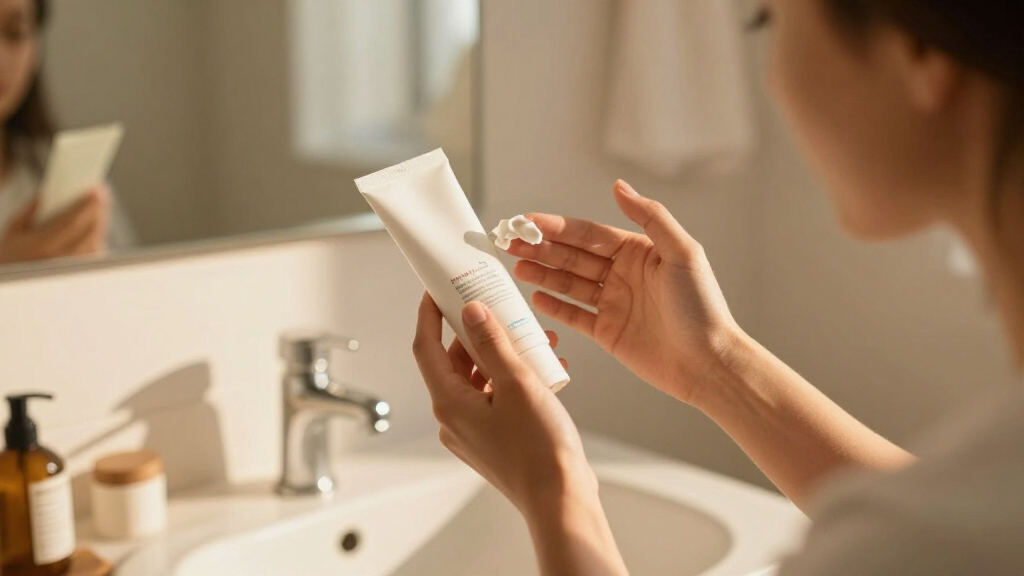
IdeaNavigator AI has proposed a skincare app that uses guided weekly selfies to track texture, tone and blemishes over time. The concept is a product proposal, not evidence that the measurements are clinically reliable or that the app has been built; validation would require comparison with dermatologist assessments and a user trial.
IdeaNavigator AI’s proposal describes a skincare app that would use guided weekly selfies to track changes in skin texture, tone and blemishes, aimed at people spending money on routines without knowing whether they are helping. The proposal also sets out a 12-week test with 500 users, including comparison of app scores with dermatologist photo assessments. It reports no completed trial, validated results or product launch.
According to IdeaNavigator AI’s outline, the suggested app would prompt users to take weekly photographs under controlled conditions, with guidance intended to keep alignment and lighting consistent. It would then score visible measures such as texture, evenness of skin tone and blemish counts, and display changes over time. The proposal provides no technical details about the models, scoring methods or thresholds the app would use.
The outline also proposes that users record changes to their routines. The app would annotate those changes and report which ones preceded measurable improvement. That could help people see trends they might miss by judging their skin from memory or comparing photographs taken in different bathroom lighting. However, a change appearing before an improvement would not by itself establish that the product or routine change caused it.
IdeaNavigator AI’s proposed business model combines a subscription with affiliate revenue from products correlated with user improvement. The outline does not name a company or say that an app is available. It recommends recruiting 500 people for a 12-week cohort, comparing the app’s measurements with dermatologist assessments for a subset, and tracking retention. The source reports no recruitment, results or independent evaluation.
Making Routine Changes Easier to Judge
IdeaNavigator AI presents the proposal as addressing a familiar decision problem: skincare results can appear gradually, while consumers may be paying $50 to $200 per month for products. In the proposal’s account, people can stop using products that were helping or continue using ones that were not because ordinary day-to-day observation makes slow changes difficult to judge. The source provides no survey or market study to establish how broadly those spending figures or behaviors apply.
If a tracking tool could produce reliable, comparable records, it might give users a more consistent way to decide whether to continue a routine or discuss changes with a professional. But the value depends on measurement quality, not simply on storing photographs. Lighting, camera differences, pose, makeup, skin conditions and other changes could affect the images or scores. A result shown in an app would need clear limits and should not be treated as a diagnosis.
The proposal’s affiliate model also creates a potential conflict to manage: a service that recommends or links to products could earn money when users buy them. IdeaNavigator AI’s outline does not explain how recommendations would be selected, whether paid links would be labeled, or how the app would distinguish commercial incentives from evidence of improvement. Those questions matter if users are expected to trust product-related conclusions.
guided selfie skincare tracking app
As an affiliate, we earn on qualifying purchases.
As an affiliate, we earn on qualifying purchases.
From Selfies to Skin Scores
IdeaNavigator AI places the concept within beauty technology and skincare apps, using consumer photographs to make visual changes easier to compare. Its case for timing is that guided capture and models measuring visible features may make this kind of tracking possible, while skincare spending and routine experimentation are high. These are claims in the proposal, not independently documented findings or evidence that a particular model already performs well.
The central distinction is between observing a visible trend and proving why it happened. Skin can change for reasons beyond a product routine, and a photograph cannot capture every factor relevant to skin health. The dermatologist comparison proposed by IdeaNavigator AI would provide one check on whether the app’s image-based scores resemble professional assessments, but the outline does not specify the number of reviewers, assessment protocol or how disagreements would be handled.
skin texture and blemish analysis device
As an affiliate, we earn on qualifying purchases.
As an affiliate, we earn on qualifying purchases.
Accuracy, Causation and Privacy
IdeaNavigator AI reports no performance results. Its proposal does not show that the scores reliably measure texture, tone or blemishes, or that they agree with dermatologist assessments. It also does not explain how many people would be included in the comparison subset, what counts as improvement, or whether the 12-week period would be long enough to detect meaningful changes across different routines and skin types.
The outline does not say how the app would account for changes in lighting and camera hardware, or whether users’ images would be stored, shared or used to develop models. Nor does it provide evidence that the app can identify which product caused a change. Recording that a routine adjustment came before a score shift can suggest a relationship, but other causes may be involved.
IdeaNavigator AI names no developer, launch schedule or existing service. Its source page includes no user feedback, dermatologist endorsement, clinical study or independently reviewed results. Accordingly, claims about what controlled selfies and skin-metric models can quantify should be understood as the rationale for testing the idea, not proof of dependable performance.
dermatologist comparison skin assessment tool
As an affiliate, we earn on qualifying purchases.
As an affiliate, we earn on qualifying purchases.
A Cohort Would Test the Concept
IdeaNavigator AI describes a 12-week cohort of 500 users as the next step. App measurements would be checked against dermatologist photo assessments for a subset, while retention would indicate whether participants continued using the tool. Those measures could address whether people find the process usable and whether the scores align with professional review, though the proposal supplies no start date or recruitment details.
Before the concept could support confident product guidance, developers would need to report how the assessments were conducted, how accurate scores were across varied users and capture conditions, and how commercial links are handled. Until such information or a launch announcement appears, the selfie tracker remains a proposed product and validation plan rather than a tested skincare tool.
Source: IdeaNavigator AI
As an affiliate, we earn on qualifying purchases.
Key Questions
Is the selfie skincare tracker available now?
No launch is reported. IdeaNavigator AI’s outline describes a proposed app and validation plan, not a released product.
What would the app measure?
According to the proposal, it would score visible texture, tone evenness and blemishes from guided weekly photographs. The scoring method and accuracy have not been reported.
Would the app prove which product improved someone’s skin?
Not on the information available. IdeaNavigator AI’s proposal would log routine changes and identify changes that came before measured improvement, but timing alone does not prove that a product caused the result.
How would the idea be tested?
The proposal describes a 12-week study with 500 users, comparing app scores with dermatologist photo assessments for a subset and measuring user retention. IdeaNavigator AI reports no completed test results.
Source: IdeaNavigator AI
Halloween Picks
halloween
As an affiliate, we earn on qualifying purchases.