TL;DR
United Launch Alliance successfully launched its final Atlas 5 rocket, which is supporting Amazon’s Leo broadband satellite project. This marks the end of the Atlas 5’s operational history, with implications for satellite launches and ULA’s future plans.
United Launch Alliance (ULA) has successfully launched its final Atlas 5 rocket, supporting Amazon’s Leo broadband satellite constellation. The launch, conducted today, marks the end of the Atlas 5’s operational service after more than 100 missions, and underscores ULA’s transition to newer launch vehicles. This development is significant for satellite deployment, space industry history, and Amazon’s expanding internet infrastructure.
The Atlas 5 rocket, manufactured by ULA, launched from Cape Canaveral Space Force Station early this morning. The mission’s primary payload is Amazon’s Leo satellite constellation, intended to deliver high-speed broadband internet globally. According to ULA, this was the last flight of the Atlas 5, which has been in service since 2002. The rocket’s retirement is part of ULA’s plan to shift to the newer Vulcan Centaur launch vehicle, which is still in development.
Officials from ULA confirmed that the launch proceeded successfully, with no reported issues, and the satellite payload was deployed into its designated orbit. Amazon’s Leo constellation aims to provide low-earth orbit internet coverage, especially targeting underserved regions. The Atlas 5 has historically been a workhorse for government and commercial satellite launches, and this mission marks the end of its operational legacy.
Implications of the Atlas 5’s Retirement for Satellite Launches
The successful launch of Amazon Leo’s satellite on the final Atlas 5 underscores the transition in launch vehicle technology. ULA’s move to the Vulcan Centaur aims to provide more cost-effective and versatile launch options. For Amazon, the deployment of its broadband constellation is a key step in expanding internet access globally, especially in remote areas. The Atlas 5’s retirement also signals a shift in the space launch industry, with older models phased out in favor of newer, more efficient systems.
This development matters because it affects satellite deployment timelines, industry competition, and the future of broadband infrastructure projects. The Atlas 5 has been a reliable workhorse for decades, and its departure marks a significant milestone in the evolution of launch technology.
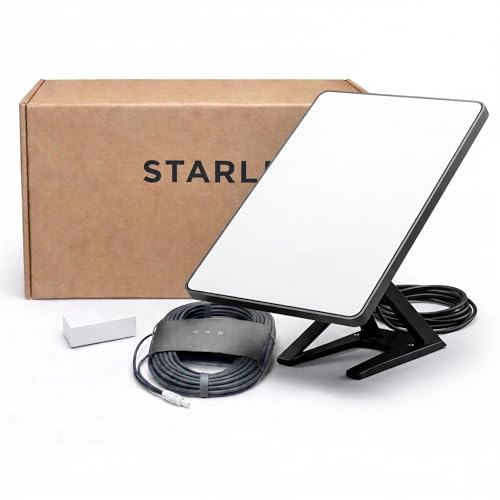
Portable Satellite Internet Mini Kit – Phased Array Antenna, with Integrated WiFi, Roam Travel Off-Grid Internet System for RV, Camping & Remote Areas
- Generation: 4th Generation Portable Satellite Kit
- Ideal For: RV, Camping, Van Life, Remote Work
- Connectivity: Global Unlocked WiFi with Integrated Antenna
As an affiliate, we earn on qualifying purchases.
As an affiliate, we earn on qualifying purchases.
History and Significance of the Atlas 5 Rocket
The Atlas 5 was introduced in 2002 by Boeing and later operated by ULA, becoming a staple for launching government and commercial satellites. Over its lifespan, it completed more than 100 missions, including critical national security payloads and commercial satellites. Its design was known for reliability and versatility, capable of launching a wide range of payloads into various orbits.
In recent years, ULA has been developing the Vulcan Centaur to replace the Atlas 5 and Delta IV families, aiming to reduce costs and increase payload capacity. The final Atlas 5 launch today signifies the end of an era, as the company transitions to newer systems that are expected to dominate the launch market in the coming decades.
“Today’s launch marks the culmination of over two decades of reliable service by the Atlas 5. We are proud to support Amazon’s vision for global connectivity as we transition to our next-generation Vulcan rocket.”
— Tory Bruno, ULA CEO
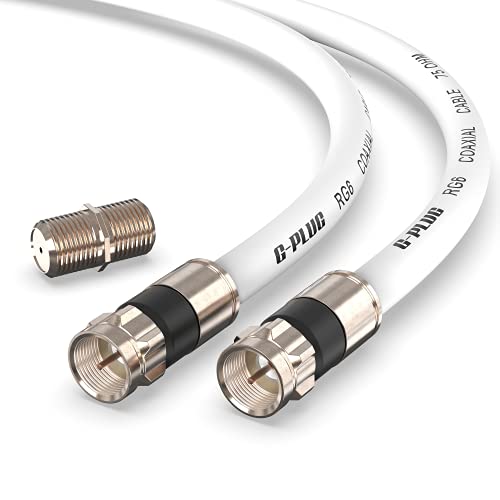
G-PLUG 6FT RG6 Coaxial Cable Connectors Set – High-Speed Internet, Broadband and Digital TV Aerial, Satellite Sky Cable Extension- Weather-Sealed Double Rubber O-Ring and Compression Connectors White
- Cable Type: RG6 75 Ohm coaxial cable
- Compatibility: Works with modems, routers, TVs, and more
- Reliable Signal: Solid shielding and compression connectors
As an affiliate, we earn on qualifying purchases.
As an affiliate, we earn on qualifying purchases.
Remaining Questions About Future Launch Capabilities
It is not yet clear how quickly ULA will ramp up launches with the Vulcan Centaur, which is still in testing. Additionally, the long-term performance and cost-effectiveness of the new vehicle compared to the Atlas 5 remain to be seen. Details about the full schedule of upcoming launches using Vulcan or other vehicles are still developing.
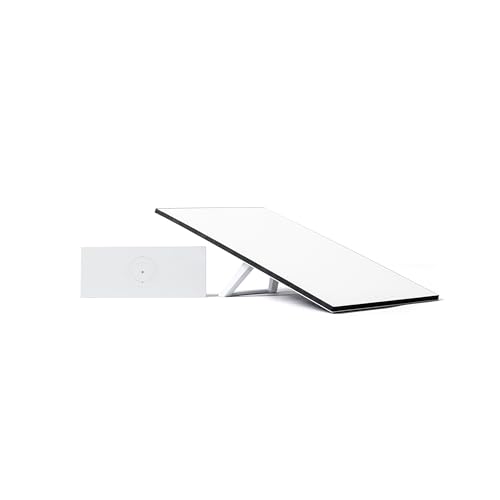
STARLINK Standard Kit AX 4 X Tri Band Wi-Fi System – High-Speed, Low-Latency V4 Internet Band AC Wi-Fi Router and Satellite Dish System – High-Speed Portable Internet – White
- High-Speed Internet: Reliable, low-latency connectivity
- Service Plan Required: Activate with a personalized plan
- Flexible Plans: Options for home or travel
As an affiliate, we earn on qualifying purchases.
As an affiliate, we earn on qualifying purchases.
Next Steps for ULA and Amazon Satellite Deployment
ULA is expected to conduct further test launches of the Vulcan Centaur in the coming months, with commercial launches anticipated to resume later this year or early next year. Amazon’s Leo satellite deployment will continue as planned, with additional satellites scheduled for launch using different rockets. Industry analysts will monitor the performance of Vulcan to gauge ULA’s future launch capacity and reliability.

STARLINK Mini 2026 Portable Satellite Internet Terminal, High-Speed Connectivity System with Phased-Array Antenna, Wi-Fi Router for Remote Areas, Off-Grid Travel
- Portability: Compact, lightweight, easy to transport
- Fast, Low-Latency Internet: High-speed, smooth streaming, low lag
- Complete Kit: Includes dish, mounting hardware, cables
As an affiliate, we earn on qualifying purchases.
As an affiliate, we earn on qualifying purchases.
Key Questions
Why is the Atlas 5 being retired?
The Atlas 5 is being retired as part of ULA’s transition to the Vulcan Centaur, which promises lower costs and higher payload capacities. The Vulcan is still in development, but ULA aims to replace older models with this next-generation vehicle.
What is Amazon’s Leo satellite constellation?
Amazon’s Leo constellation is a planned network of low-earth orbit satellites designed to provide broadband internet coverage globally, especially targeting underserved regions. The deployment of these satellites is a key part of Amazon’s internet infrastructure expansion.
When will the Vulcan Centaur become operational?
U.S. officials have indicated that the Vulcan Centaur is expected to conduct its first operational launches within the next year, with full operational capability anticipated by late 2024 or early 2025.
How does this launch affect the satellite launch industry?
The successful final Atlas 5 launch signifies a shift towards newer, more efficient launch vehicles, which could lead to increased competition and innovation in the satellite launch market.
Source: google-trends