

Choosing among software testing automation tools in 2026 comes down to three questions: which framework you’ll standardize on, how much AI assistance your team wants, and whether you need hands-on scripts or strategic guidance. My best overall pick is Hands-On Automated Testing with Playwright, because Playwright has become the default choice for modern web automation and this resource covers it end to end. Close behind are Ultimate Selenium WebDriver for Test Automation for teams locked into Java and Selenium ecosystems, and AI for Quality Assurance and Software Testing for leaders planning an AI-driven testing transformation. The main tradeoff readers face is depth versus breadth — framework-specific guides make you productive fast but age quicker, while strategy-focused titles stay relevant longer but won’t write your first test. Keep reading for the full breakdown of all fourteen options.

Get business pricing on monitors, keyboards and dev gear
- Business-only prices and quantity discounts
- Tax-exempt purchasing
- Multiple users, one account, clear invoices
Key Takeaways
- Playwright dominates this lineup: three of the fourteen resources center on it, reflecting its displacement of Selenium for new greenfield web automation projects in 2026.
- AI-assisted testing has split into two distinct audiences — practitioner guides using AI as a coding assistant (Claude Code, generative AI) versus transformation-level books aimed at QA leads and managers.
- Selenium remains the right choice for enterprise Java shops, but only one resource in this comparison still teaches it, and it earns its place through industry-specific frameworks rather than fundamentals.
- Beginner-oriented titles vary sharply in career payoff: job-ready QA guides beat generic overview books because they map directly to hiring requirements.
- The weakest fit for most buyers is the broadest material — guides covering everything from build pipelines to containerization spread thin across DevOps topics rather than testing depth.
| Hands-On Automated Testing with Playwright |  | Best for Web Test Automation Depth | Format: Print / digital book | Primary Tool: Microsoft Playwright | Topic Focus: Web application test automation | VIEW LATEST PRICE | See Our Full Breakdown |
| Continuous Delivery: Reliable Software Releases through Build, Test, and Deployment Automation |  | Best Foundational Classic | Format: Print / digital book | Topic Focus: Continuous delivery and release automation | Coverage: Build, test, and deployment automation | VIEW LATEST PRICE | See Our Full Breakdown |
| OpenCode Projects Handbook | 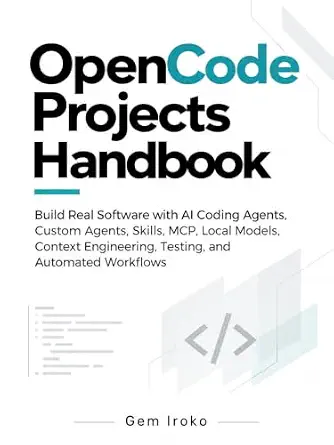 | Best for AI-Augmented Development Workflows | Format: Digital handbook | Topic Focus: AI coding agents and automated workflows | Key Technologies: Custom agents, MCP, local models, context engineering | VIEW LATEST PRICE | See Our Full Breakdown |
| Spec-Driven Software Testing with AI |  | Best for AI-Driven Test Strategy | Format: Digital book | Topic Focus: AI-driven, specification-based test automation | Key Practices: TDD, API testing, CI/CD integration | VIEW LATEST PRICE | See Our Full Breakdown |
| All You Need to Know About Software Testing |  | Best for Career Changers | Format: Digital book | Topic Focus: End-to-end QA career preparation | Coverage: Manual testing, automation, APIs, Selenium, Playwright, CI/CD, AI-assisted QA | VIEW LATEST PRICE | See Our Full Breakdown |
| Web Automation Testing Using Playwright: End-to-end, API, accessibility, and visual testing using Playwright (English Edition) |  | Best for Cross-Discipline Test Coverage | Format: Book (English Edition) | Primary Framework: Playwright | Testing Types Covered: End-to-end, API, accessibility, visual | VIEW LATEST PRICE | See Our Full Breakdown |
| AI-Assisted QA and Software Testing with Claude Code |  | Best for AI-Driven Testing Workflows | Format: Digital product / guide | Core Technology: Anthropic’s Claude Code (agentic AI) | Testing Scope: Unit, integration, end-to-end | VIEW LATEST PRICE | See Our Full Breakdown |
| Software Testing Unlocked – A Beginner’s Guide to QA & Automation |  | Best for Career Switchers | Format: Book | Audience Level: Beginner / career switcher | Structure: 20-step guided journey | VIEW LATEST PRICE | See Our Full Breakdown |
| Python for DevOps: Master Automation, CI/CD Pipelines, and Containerization with Python |  | Best for Pipeline and Infrastructure Automation | Format: Book | Primary Language: Python | Topics Covered: Automation, CI/CD pipelines, containerization | VIEW LATEST PRICE | See Our Full Breakdown |
| Software Testing Explained: A Comprehensive Guide for IT and Non-IT Professionals |  | Best for Managers and Non-Technical Stakeholders | Format: Book | Audience: IT and non-IT professionals | Approach: Conceptual and business-oriented | VIEW LATEST PRICE | See Our Full Breakdown |
| Full Stack Testing: A Practical Guide for Delivering High Quality Software |  | Best for Whole-Pipeline Strategy | Format: Book (O’Reilly-style practical guide) | Coverage: Full-stack testing methodologies and tools | Audience: Developers and testers | VIEW LATEST PRICE | See Our Full Breakdown |
| AI for Quality Assurance and Software Testing: The Practitioner’s Complete Guide to AI-Powered Testing, Tools, and Transformation |  | Best for AI Transformation Leaders | Format: Book / digital guide | Coverage: AI-powered testing tools, techniques, and process transformation | Audience: QA practitioners and testing leaders | VIEW LATEST PRICE | See Our Full Breakdown |
| Software Testing with Generative AI | 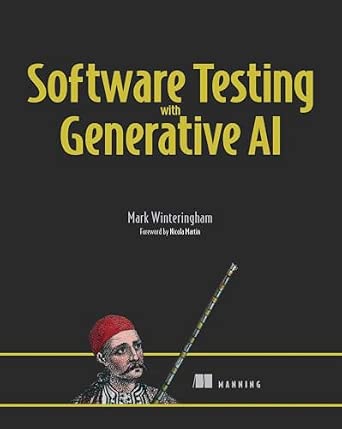 | Best for Hands-On GenAI Techniques | Format: Book (Manning-style practical title) | Coverage: Generative AI applied to software testing | Audience: Testers familiar with QA fundamentals | VIEW LATEST PRICE | See Our Full Breakdown |
| Ultimate Selenium WebDriver for Test Automation: Build and Implement Automated Web Testing Frameworks Using Java, Selenium WebDriver and Selenium Grid for E-Commerce, Healthcare, EdTech, Banking, and SAAS | 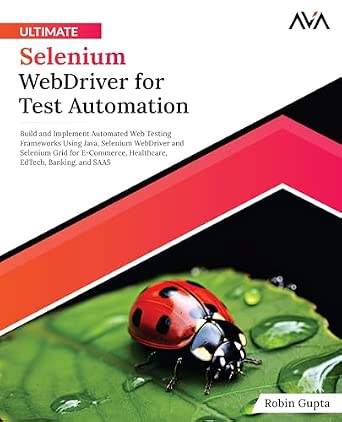 | Best for Framework Builders | Format: Book | Language: Java | Tools covered: Selenium WebDriver, Selenium Grid | VIEW LATEST PRICE | See Our Full Breakdown |
| software testing automation tool | Format | Audience | Skill Level |
|---|---|---|---|
| Hands-On Automated Testing wit | Print / digital book | — | Intermediate to advanced |
| Continuous Delivery: Reliable | Print / digital book | Software development and DevOps teams | Intermediate to professional |
| OpenCode Projects Handbook | Digital handbook | — | Intermediate to advanced developers |
| Spec-Driven Software Testing w | Digital book | Test engineers and automation-focused developers | Intermediate to advanced |
| All You Need to Know About Sof | Digital book | — | Beginner |
| Web Automation Testing Using P | Book (English Edition) | — | — |
| AI-Assisted QA and Software Te | Digital product / guide | — | Intermediate to advanced developers |
| Software Testing Unlocked | Book | — | — |
| Python for DevOps: Master Auto | Book | Developers building DevOps skills | Intermediate to advanced |
| Software Testing Explained: A | Book | IT and non-IT professionals | — |
| Full Stack Testing: A Practica | Book (O’Reilly-style practical guide) | Developers and testers | — |
| AI for Quality Assurance and S | Book / digital guide | QA practitioners and testing leaders | — |
| Software Testing with Generati | Book (Manning-style practical title) | Testers familiar with QA fundamentals | — |
| Ultimate Selenium WebDriver fo | Book | Test automation engineers and developers | — |
More Details on Our Top Picks
Hands-On Automated Testing with Playwright
Among the Playwright-focused titles in this roundup, this one stands out for going beyond basics into fast, reliable, and scalable test design — the three areas where most automation efforts actually fail. Compared with Web Automation Testing Using Playwright, which spreads attention across API, accessibility, and visual testing, this book doubles down on test reliability engineering, making it the stronger pick for teams whose flaky tests are the real bottleneck. The tradeoff is ramp-up: unlike career-oriented titles such as All You Need to Know About Software Testing, it assumes working knowledge of web development and offers no gentle on-ramp. Readers already writing Playwright tests will get the most from its patterns; absolute newcomers may bounce off the early chapters.
Pros:- Focused specifically on test reliability and scalability, not just syntax
- Practical, hands-on approach tied to Microsoft’s actively maintained framework
- Deeper on Playwright internals than broader survey books in this roundup
- Directly applicable to modern single-page web applications
Cons:- No stated prerequisites, so readers may misjudge the skill level required
- Too advanced for readers without prior automation or coding experience
- Narrow scope — excludes manual testing and broader QA career guidance
Best for: Front-end and QA developers already working with modern web stacks who need to harden and scale their Playwright suites
Not ideal for: Career-changers or complete beginners — the book assumes prior web development knowledge and skips foundational testing concepts
- Format:Print / digital book
- Primary Tool:Microsoft Playwright
- Topic Focus:Web application test automation
- Skill Level:Intermediate to advanced
- Key Themes:Fast, reliable, scalable test creation
- Target Outcome:Improved web app quality and performance
Our verdict“If you already write web tests and need them to stop flaking and start scaling, this is the Playwright book to buy.”
Continuous Delivery: Reliable Software Releases through Build, Test, and Deployment Automation
This is the industry-standard reference on automating the entire build-test-deploy pipeline, and it earns its place here as the strategic backbone of the roundup. Where Hands-On Automated Testing with Playwright teaches you to automate a specific tool, this book teaches you to automate a whole delivery process — the context in which every tool choice lives. Compared with newer titles like Spec-Driven Software Testing with AI, its examples predate modern AI workflows, so readers chasing current tooling will find the technology references dated. That said, the principles on release reliability remain the reference point nearly every later book builds on, which is exactly why it still belongs on the shelf.
Pros:- Widely regarded as the definitive text on continuous delivery
- Covers build, test, and deployment automation as one integrated system
- Principles remain relevant across changing tool ecosystems
- Strong fit for team-level adoption, not just individual learning
Cons:- Technology examples are dated relative to current CI/CD platforms
- Dense and conceptual — not a quick hands-on tutorial
- Little coverage of modern AI-assisted testing practices
Best for: Engineering leads and DevOps-minded teams who want the underlying principles of release automation, not just tool tutorials
Not ideal for: Readers wanting up-to-date tooling walkthroughs — the book is tool-agnostic and its examples reflect an older tech landscape
- Format:Print / digital book
- Topic Focus:Continuous delivery and release automation
- Coverage:Build, test, and deployment automation
- Skill Level:Intermediate to professional
- Audience:Software development and DevOps teams
- Style:Principles and practices reference
Our verdict“Buy this for the timeless delivery-pipeline fundamentals; supplement it with a tool-specific title from this roundup for current practice.”
OpenCode Projects Handbook
This pick makes the most sense for developers who see AI coding agents becoming part of their normal workflow and want to build real software with them responsibly. Its scope is deliberately wide — custom agents, MCP, local models, context engineering — with testing and automated workflows treated as one discipline among many. Compared with Spec-Driven Software Testing with AI, which keeps AI centered on test suites, this handbook positions testing as part of a broader AI-assisted engineering pipeline, which is more useful if your automation questions extend past QA. The tradeoff is breadth over depth: each testing chapter covers less ground than dedicated testing titles, and readers new to both AI tooling and testing fundamentals will find the learning curve steep on two fronts at once.
Pros:- Covers the full AI development stack, from agents to local models
- Treats testing and automation as integral to AI workflows, not an afterthought
- Project-based approach focused on building real software
- Includes context engineering, a topic most testing books ignore
Cons:- Testing content is spread thin across a very broad subject range
- Technically demanding for readers new to AI tooling
- Few community reviews available to gauge real-world reception
Best for: Working developers integrating AI coding agents into end-to-end development and wanting testing baked into that workflow
Not ideal for: QA specialists who only need test automation — the majority of the book covers non-testing AI topics
- Format:Digital handbook
- Topic Focus:AI coding agents and automated workflows
- Key Technologies:Custom agents, MCP, local models, context engineering
- Testing Coverage:Testing within AI-assisted development
- Skill Level:Intermediate to advanced developers
- Style:Practical project-based guidance
Our verdict“Choose this when your automation ambitions sit inside a bigger AI-driven development practice, not for QA skills alone.”
Spec-Driven Software Testing with AI
Where Software Testing with Generative AI explores AI as a broad testing aid, this book takes a tighter, more architectural stance: derive test suites from specifications, then wire them into TDD, API testing, and CI/CD. That spec-first framing is the differentiator — it addresses the problem of tests that drift away from requirements, which tool-focused books like Hands-On Automated Testing with Playwright largely leave untouched. The CI/CD integration guidance also gives it practical weight beyond theory. The drawback is positioning: it sits awkwardly between beginner guides like Software Testing Unlocked and deep tool-specific manuals, assuming comfort with both testing concepts and AI tooling without much scaffolding for either. Readers missing that background should build it elsewhere first.
Pros:- Spec-driven approach keeps test suites aligned with actual requirements
- Connects AI testing to TDD, API testing, and CI/CD in one framework
- More strategically focused than tool-only AI testing books
- Directly applicable to teams with established delivery pipelines
Cons:- Assumes prior familiarity with both testing methodology and AI tools
- Limited review history makes quality hard to verify before buying
- May overwhelm readers who haven’t yet mastered conventional automation
Best for: Experienced testers and engineers who want AI-generated tests anchored to specifications and wired into existing CI/CD pipelines
Not ideal for: Beginners or teams without an existing spec and pipeline practice — the methods assume infrastructure that smaller projects may lack
- Format:Digital book
- Topic Focus:AI-driven, specification-based test automation
- Key Practices:TDD, API testing, CI/CD integration
- Core Approach:Building test suites from specifications
- Skill Level:Intermediate to advanced
- Audience:Test engineers and automation-focused developers
Our verdict“A strong pick for engineers who already have pipelines in place and want AI testing that stays traceable to specs.”
All You Need to Know About Software Testing
This is the roundup’s most complete career-path book, running from manual testing basics through Selenium, Playwright, APIs, CI/CD, and AI-assisted QA. Compared with Software Testing Explained, which targets both IT and non-IT professionals with a more conceptual tone, this one is explicitly built to make readers job-ready, with step-by-step practical instruction rather than survey-level explanation. The tradeoff is compression: covering this much ground means each tool — Playwright included — gets far less depth than dedicated titles like Hands-On Automated Testing with Playwright. Readers who land a first QA role will likely outgrow it within a year, but as a single-volume bridge from zero to employable, it competes well against narrower beginner guides like Software Testing Unlocked.
Pros:- Covers the full QA spectrum from manual testing to AI-assisted workflows
- Explicitly structured around job-readiness rather than theory
- Step-by-step guidance with practical examples throughout
- Introduces both Selenium and Playwright, the two most in-demand automation tools
Cons:- Very broad scope means limited depth on any single tool
- Dense for complete beginners with no technical exposure at all
- Likely to be outgrown quickly once readers specialize
Best for: Career changers and students who want one book covering everything from manual testing basics to automation and AI-assisted QA
Not ideal for: Experienced testers — the breadth-first coverage of each tool is too shallow to deepen existing skills
- Format:Digital book
- Topic Focus:End-to-end QA career preparation
- Coverage:Manual testing, automation, APIs, Selenium, Playwright, CI/CD, AI-assisted QA
- Skill Level:Beginner
- Target Outcome:Job-ready QA engineer
- Style:Step-by-step practical guide
Our verdict“If the goal is a first QA job rather than mastery of one tool, this is the single best starting volume in the roundup.”
Web Automation Testing Using Playwright: End-to-end, API, accessibility, and visual testing using Playwright (English Edition)
Most Playwright resources stop at end-to-end flows, but this title pushes further into API, accessibility, and visual testing under one framework, which is what earns it a spot here. Compared with Hands-On Automated Testing with Playwright, which leans heavily on building fast, scalable web tests, this book rewards teams who want broader quality coverage without stitching together four separate toolchains. The practical payoff is real: a tester who works through it can cover UI, backend contracts, a11y audits, and visual regressions in a single codebase.
The tradeoff is that breadth comes at the cost of depth in any one area, and with no customer ratings yet, buyers are taking something of a chance on the pacing and code quality compared with more established titles.
Pros:- Covers four testing disciplines (end-to-end, API, accessibility, visual) in one Playwright workflow
- Practical, guidance-oriented structure rather than pure theory
- Serves both developers and testers working in the same codebase
- Playwright itself is modern, fast, and cross-browser by default
Cons:- No customer reviews or ratings to validate quality before purchase
- Breadth across four testing types means less depth in each compared with single-topic books
- No detailed technical specifications about code samples or tool versions provided
Best for: QA engineers and developers who already write tests and want one framework spanning UI, API, accessibility, and visual checks
Not ideal for: Absolute beginners to automation — the multi-domain scope assumes comfort with test scripting from the start
- Format:Book (English Edition)
- Primary Framework:Playwright
- Testing Types Covered:End-to-end, API, accessibility, visual
- Target Audience:Developers and testers
- Focus:Web automation testing
- Prerequisites:Prior test automation experience recommended
Our verdict“This pick makes the most sense for experienced testers consolidating multiple testing disciplines onto a single modern framework, not for anyone starting from zero.”
AI-Assisted QA and Software Testing with Claude Code
This entry takes a different approach from every framework manual in the lineup: instead of teaching a testing library, it shows how an agentic AI assistant can write and run unit, integration, and end-to-end tests for you. Compared with Spec-Driven Software Testing with AI, which grounds AI testing in formal specifications and TDD practice, this option is more hands-off and workflow-driven — the AI is doing the heavy lifting inside your development loop rather than generating suites from documents.
The appeal is speed: QA effort shrinks dramatically when the agent drafts and maintains tests. But that same automation introduces risk. Compatibility details are thin, and quality still depends on how well you review AI output, so teams without strong engineering review habits may inherit fragile or shallow tests without realizing it.
Pros:- Automates unit, integration, and end-to-end test creation in one workflow
- Leverages an agentic AI model for faster and more accurate test generation
- Reduces repetitive QA workload inside the development cycle
- Fits naturally into teams already adopting AI pair-programming tools
Cons:- Limited documentation on compatibility and integration with existing test infrastructure
- Learning curve for teams new to agentic AI workflows
- AI-generated tests require human review and can miss edge cases without it
Best for: Engineering teams already using AI coding assistants who want to fold automated test generation into their daily workflow
Not ideal for: Teams in regulated environments or anyone who needs deterministic, spec-verified test suites — AI-generated tests need careful human oversight
- Format:Digital product / guide
- Core Technology:Anthropic’s Claude Code (agentic AI)
- Testing Scope:Unit, integration, end-to-end
- Primary Use Case:AI-driven QA and test automation
- Integration Details:Not fully documented
- Skill Level:Intermediate to advanced developers
Our verdict“A forward-looking pick for teams comfortable letting an AI agent draft and run their tests, provided they keep humans in the review loop.”
Software Testing Unlocked – A Beginner’s Guide to QA & Automation
Where most titles in this roundup assume you already write code, this book is built around a 20-step career journey aimed at landing a first QA role. Compared with All You Need to Know About Software Testing: From Beginner to Job-Ready QA Engineer, which also targets newcomers, this option differentiates by pairing QA fundamentals with early automation exposure, so readers aren’t blindsided when job postings demand both. The structure is its strength — a clear progression from concepts to employable skills rather than a dry reference manual.
The compromise is depth. There are few detailed technical examples, and anyone past the junior stage will outgrow it quickly. Think of it as an on-ramp, not a destination: it gets you job-ready, then hands you off to deeper titles like the Playwright or Selenium books in this guide.
Pros:- Structured 20-step roadmap from beginner to job-ready
- Covers both QA fundamentals and an introduction to automation
- Career-oriented framing that maps directly to entry-level job requirements
- Accessible to readers without a coding background
Cons:- Lacks detailed technical code examples
- Advanced testers will find the content too basic
- Automation coverage is introductory rather than hands-on
Best for: Career switchers and recent graduates preparing for their first QA job who need a structured, guided path
Not ideal for: Working testers or developers — the fundamentals-first pacing will feel slow and the automation coverage too shallow
- Format:Book
- Audience Level:Beginner / career switcher
- Structure:20-step guided journey
- Topics Covered:QA fundamentals and automation basics
- Career Focus:Preparing for first QA job
- Coding Required:No prior coding assumed
Our verdict“The right first purchase for someone breaking into QA who wants a guided path to a first job — and the wrong one for anyone past that stage.”
Python for DevOps: Master Automation, CI/CD Pipelines, and Containerization with Python
This is the least testing-specific pick in the roundup, and that’s exactly why it earns a slot: automated tests only matter if they run reliably inside a pipeline. Compared with Continuous Delivery, the classic reference on build-test-deploy theory, this book is hands-on and Python-centric, showing developers how to script the CI/CD machinery and containerization that execute test suites at scale. For teams where the QA engineer also owns the pipeline, that practical scripting angle is more immediately usable than higher-level process theory.
The flip side is positioning: readers wanting test design, frameworks, or coverage strategy should start with the Playwright or Selenium titles instead. And while the examples suit varied skill levels, the containerization material ramps up quickly, so total newcomers to infrastructure work may feel stretched.
Pros:- Teaches automation of the entire build-test-deploy pipeline in Python
- Practical coverage of CI/CD and containerization with working examples
- Scales across skill levels from intermediate developers upward
- Bridges QA automation and DevOps responsibilities in one resource
Cons:- Containerization and pipeline content may be advanced for beginners
- Not a testing-technique book — minimal coverage of test design itself
- No detailed specification of tool versions or environments provided
Best for: Developers and QA engineers who maintain their own CI/CD pipelines and want to automate test execution and deployment with Python
Not ideal for: Readers focused purely on test case design — this book is about the infrastructure around tests, not writing them
- Format:Book
- Primary Language:Python
- Topics Covered:Automation, CI/CD pipelines, containerization
- Audience:Developers building DevOps skills
- Skill Level:Intermediate to advanced
- Focus:Infrastructure and delivery automation
Our verdict“The pick for engineers who need to automate where tests actually run — pipelines and containers — rather than how tests are written.”
Software Testing Explained: A Comprehensive Guide for IT and Non-IT Professionals
Not everyone buying a testing book will write a line of code, and this title serves that audience better than anything else in the lineup. While Full Stack Testing speaks to practitioners shipping software, this guide frames testing through a business-value lens — efficiency gains, cost savings, and quality outcomes that managers, product owners, and non-IT stakeholders can actually act on. That makes it the rare testing book you could hand to a department head who needs to understand why QA investment pays off, not how to configure a framework.
The obvious tradeoff: hands-on testers will find nothing here about Selenium, Playwright, or pipeline automation, and the missing publication metadata (author, editions, formats) makes comparison shopping harder than it should be. It explains testing; it does not teach you to do testing.
Pros:- Explains testing concepts accessibly for both IT and non-IT readers
- Strong focus on business value, efficiency, and cost savings
- Useful for aligning stakeholders around QA investment decisions
- Broad conceptual coverage across testing principles and practices
Cons:- No hands-on automation, tools, or code examples
- Lacks publication details like author, edition, and format information
- Too general for practitioners who need implementation guidance
Best for: Project managers, product owners, and non-IT professionals who need to understand software testing’s role in driving business value
Not ideal for: Automation engineers — there is no hands-on technical content, frameworks, or code in this book
- Format:Book
- Audience:IT and non-IT professionals
- Approach:Conceptual and business-oriented
- Focus Areas:Testing principles, business value, efficiency, cost savings
- Technical Depth:Low — no code or tooling instruction
- Metadata:Author and publication details not disclosed
Our verdict“A stakeholder-facing guide that justifies and explains testing strategy — skip it if your goal is writing automated tests yourself.”
Full Stack Testing: A Practical Guide for Delivering High Quality Software
Most automation books pick a single layer — Selenium for UI, or Spec-Driven Software Testing with AI for API and CI workflows. This one stands out for refusing that fragmentation, covering full-stack testing from unit to end-to-end so readers understand how the pieces fit together. That breadth is exactly what makes it valuable for engineers who own quality across an entire application rather than one slice. Compared with Ultimate Selenium WebDriver for Test Automation, which goes deep on browser automation, this guide trades depth for a coherent testing strategy across the delivery pipeline. The tradeoff is real: it is lighter on copy-paste framework code, and the absence of ratings or edition details makes it harder to gauge freshness before buying.
Pros:- Covers the entire test stack instead of a single layer
- Practical strategies that apply to both developers and dedicated testers
- Frames testing around delivering high-quality software, not just passing suites
- Methodology-driven content ages better than tool-specific tutorials
Cons:- Lacks the hands-on, buildable framework code found in Selenium-focused titles
- No edition, publication details, or reader ratings to verify currency
Best for: Developers and QA leads who need a coherent testing strategy across the whole application stack rather than mastery of one tool
Not ideal for: Engineers who want ready-to-run framework code — this focuses on methodology and breadth, not buildable scripts
- Format:Book (O’Reilly-style practical guide)
- Coverage:Full-stack testing methodologies and tools
- Audience:Developers and testers
- Focus:End-to-end quality across the software delivery lifecycle
- Approach:Strategy and best practices over tool tutorials
- Depth vs. breadth:Broad coverage, moderate per-tool depth
Our verdict“Pick this if you need to design a testing strategy for a full application rather than automate one interface.”
AI for Quality Assurance and Software Testing: The Practitioner’s Complete Guide to AI-Powered Testing, Tools, and Transformation
Where Software Testing with Generative AI explores AI as an innovative method, this guide positions itself as a complete practitioner’s playbook for reshaping QA organizations around AI. It pairs AI-powered tools with the process transformation angle — how teams restructure workflows, roles, and pipelines — which is what separates it from the more technique-focused titles in this roundup. This pick makes the most sense for QA managers and senior engineers charged with modernizing a testing practice, not just adding a tool. The drawback mirrors its ambition: beginners may find the material technical and dense, and the fast-moving AI tooling landscape means specific tool references can date quickly.
Pros:- Combines AI tools with organizational transformation guidance
- Written for practitioners, so advice is grounded in real workflows
- Broad enough to serve as a single reference for AI-driven QA modernization
- Covers both technique and process change, which most AI testing books skip
Cons:- Too technical and strategic for readers without a testing background
- AI tool references may age quickly as the ecosystem shifts
- No reviews or ratings yet to validate real-world reception
Best for: QA managers and senior practitioners leading an organization-wide shift to AI-powered testing
Not ideal for: Junior testers new to automation — the transformation-heavy, technical framing assumes existing testing fluency
- Format:Book / digital guide
- Coverage:AI-powered testing tools, techniques, and process transformation
- Audience:QA practitioners and testing leaders
- Focus:Modernizing QA with artificial intelligence
- Prerequisites:Existing software testing knowledge recommended
- Depth vs. breadth:Broad organizational and technical scope
Our verdict“Choose this if you are leading a team’s AI adoption and need process change, not just tool tips.”
Software Testing with Generative AI
This title narrows the AI lens further than AI for Quality Assurance and Software Testing, focusing specifically on generative AI in the testing workflow — generating test cases, test data, and exploratory scenarios. That tighter scope is a genuine advantage for testers who already know their craft and want practical applications of genAI rather than a transformation manifesto. Compared with Spec-Driven Software Testing with AI, which builds suites from formal specifications, this guide leans toward innovative, AI-driven generation methods that complement rather than replace existing suites. The cost of that focus is specificity: readers looking for named tools, vendor comparisons, or step-by-step setups will find it thin, and with no customer reviews yet, buyers are taking it on faith.
Pros:- Focused treatment of generative AI rather than generic AI testing talk
- Practical applications testers can layer onto existing workflows
- Well suited to readers who already understand testing fundamentals
- Complements specification-driven approaches instead of duplicating them
Cons:- Limited detail on specific tools or implementation techniques
- No customer reviews to gauge practical value
- Narrow scope means it won’t serve as a general testing reference
Best for: Experienced testers wanting to apply generative AI to test case and data creation without overhauling their whole process
Not ideal for: Tool shoppers who need concrete vendor walkthroughs — this emphasizes methods over specific tooling
- Format:Book (Manning-style practical title)
- Coverage:Generative AI applied to software testing
- Audience:Testers familiar with QA fundamentals
- Focus:AI-driven test generation methods and applications
- Tool coverage:Concepts over vendor-specific walkthroughs
- Depth vs. breadth:Narrow topic, moderate depth
Our verdict“A focused pick for testers who want generative AI techniques bolted onto skills they already have.”
Ultimate Selenium WebDriver for Test Automation: Build and Implement Automated Web Testing Frameworks Using Java, Selenium WebDriver and Selenium Grid for E-Commerce, Healthcare, EdTech, Banking, and SAAS
In a roundup trending toward AI-assisted titles like AI-Assisted QA and Software Testing with Claude Code, this book makes the case that the classic Selenium stack still powers most enterprise test automation. Its strength is engineering depth: building real frameworks in Java with WebDriver and distributing them via Selenium Grid. The industry-specific scenarios — banking, healthcare, e-commerce, SaaS — translate abstract framework patterns into domain-relevant test problems, something the Playwright titles in this list don’t attempt. The tradeoff is the technology itself: Selenium is heavier and slower than modern alternatives like Playwright, and Java adds boilerplate that script-first testers may dislike. Missing edition and version details also leave buyers guessing whether the examples match current WebDriver APIs.
Pros:- Teaches framework construction, not just scripted test cases
- Selenium Grid coverage for distributed, parallel test execution
- Industry-specific scenarios make examples transferable to real domains
- Java focus suits teams with existing JVM engineering skills
Cons:- Selenium with Java is slower and more boilerplate-heavy than Playwright-based alternatives
- No edition or version details to confirm API currency
- No customer ratings to gauge quality of the examples
Best for: Java developers building maintainable, scalable web automation frameworks in enterprise or regulated-industry environments
Not ideal for: Teams standardizing on Playwright or JavaScript — Selenium and Java add overhead those stacks avoid
- Format:Book
- Language:Java
- Tools covered:Selenium WebDriver, Selenium Grid
- Focus:Building and implementing automated web testing frameworks
- Industry examples:E-commerce, healthcare, EdTech, banking, SaaS
- Audience:Test automation engineers and developers
- Depth vs. breadth:Deep on one technology stack
Our verdict“The right choice for Java shops that need a production-grade Selenium framework, and the wrong one for anyone chasing the newest tooling.”

How We Picked
I evaluated each resource against five criteria that matter to real buyers: framework relevance (does it teach a tool employers are actually hiring for in 2026), depth of automation coverage (working test suites versus conceptual overviews), audience fit (absolute beginners, working QA engineers, or team leads), currency of content (AI-native approaches ranked above bolted-on AI chapters), and practical payoff (whether a reader can ship automated tests or a pipeline after finishing).
The ranking logic is straightforward: resources tied to the most in-demand frameworks rank highest, AI-forward approaches outrank legacy ones at equal depth, and broad multi-topic books rank lower for testing-specific buyers because they dilute automation coverage. Where two resources cover the same tool, I ranked the one with more end-to-end scope — CI/CD integration, API and visual testing, real project builds — above narrower treatments.
| software testing automation tool | Skill Level |
|---|---|
| Hands-On Automated Testing wit | Intermediate to advanced |
| Continuous Delivery: Reliable | Intermediate to professional |
| OpenCode Projects Handbook | Intermediate to advanced developers |
| Spec-Driven Software Testing w | Intermediate to advanced |
| All You Need to Know About Sof | Beginner |
| Web Automation Testing Using P | — |
| AI-Assisted QA and Software Te | Intermediate to advanced developers |
| Software Testing Unlocked | — |
| Python for DevOps: Master Auto | Intermediate to advanced |
| Software Testing Explained: A | — |
| Full Stack Testing: A Practica | — |
| AI for Quality Assurance and S | — |
| Software Testing with Generati | — |
| Ultimate Selenium WebDriver fo | — |
Factors to Consider When Choosing Software Testing Automation Tools
Before picking a resource from this roundup, step back and think about where you sit on the automation journey. The biggest mistake I see buyers make is grabbing the most advanced title on the shelf when their real gap is fundamentals — or the reverse, buying a beginner primer when they need framework migration guidance.Match the Framework to Your Job Market, Not Your Preference
The single highest-stakes decision is which automation framework to invest learning time in, because switching later means rebuilding your entire test suite. Playwright is the momentum pick for web teams starting fresh, while Selenium retains an enormous installed base in banking, healthcare, and enterprise Java environments — which is why Selenium skills still command salaries despite Playwright’s technical advantages. Check actual job postings in your target market before committing: if eight of ten list Selenium with Java, a Playwright-only education will slow your search. Conversely, joining a team that has already standardized on Playwright makes Selenium knowledge a nice-to-have rather than a career lever. Framework choice compounds, so treat it as a two-to-three-year commitment, not a weekend experiment.
Decide How AI-Native You Want to Be
Resources in this category fall into three tiers of AI involvement, and buyers routinely misjudge which tier they need. The lowest tier mentions AI as a chapter or appendix; the middle tier teaches you to direct AI coding assistants like Claude Code to generate and maintain tests; the top tier rethinks testing around AI entirely, including spec-driven generation and self-healing suites. Teams with mature test suites often get the fastest ROI from the middle tier, since it automates the most tedious part of the job — writing and maintaining repetitive test code. The top tier demands process change across the whole QA org, so it suits leads with authority to reshape workflows. Buying the most AI-forward title when your team still writes manual test cases usually produces an expensive book that sits unread.
Watch for the Breadth Trap
Several resources in this space package testing alongside CI/CD, containerization, infrastructure, and general DevOps — attractive on the cover, but often shallow in each area. The tradeoff is real: a full-stack testing book teaches you how automation fits into the delivery pipeline, which genuinely matters, yet it can leave you unable to write a solid locator strategy or handle flaky tests. My advice is to buy depth first and breadth second — master one framework through a focused resource, then add a pipeline-oriented title once you have tests worth deploying. The exception is the continuous delivery category, which is worth buying on its own merits for release reliability, not as a testing tutorial. Buyers who skip this sequencing often end up knowing a little of everything and automating nothing.
Weigh Certification-Style Learning Against Project-Based Learning
Job-ready and exam-oriented guides structure content around interview questions and syllabi, while project-based books walk you through building frameworks for realistic domains like e-commerce or banking. Neither is wrong, but they serve different clocks. Certification-style learning pays off in weeks — it maps tightly to what recruiters screen for — while project-based learning pays off over months by producing portfolio artifacts you can show in interviews. If you are switching careers into QA, prioritize a job-ready guide first and add a project book after landing the role. Working engineers should skip the primer tier almost entirely and go straight to framework or AI resources, since re-reading fundamentals wastes budget and time.
Budget for a Second Resource, Not the Most Expensive First One
Almost nobody in test automation succeeds with a single book, because the skill spans writing tests, wiring them into CI, and maintaining them as the application changes. A smarter spending pattern is one strong framework-specific resource plus one broader strategy title, rather than one encyclopedic volume. Premium practitioner guides justify their price when they include working repositories and updated editions; free or community documentation can substitute for a beginner primer if you already code. Before paying full price for any title, check whether the framework’s official docs cover the same ground — Playwright’s documentation is unusually good, which raises the bar for any book teaching it. The resources that earn their cost are the ones doing what documentation cannot: sequencing the learning path and showing judgment calls.
Frequently Asked Questions
Should I learn Playwright or Selenium in 2026?
For new web automation projects, Playwright is the stronger technical choice: it offers faster execution, auto-waiting, and better support for modern frameworks, which is why it tops this comparison. Selenium still makes sense if your target employers run Java-based enterprise stacks or you need to integrate with a large existing Selenium codebase — migration costs often exceed the benefits of switching. A practical middle path is learning Playwright first, since its concepts transfer to Selenium easily, then picking up Selenium syntax if a specific job demands it. Check the job listings in your city or remote market before deciding, because local demand varies more than online commentary suggests.
Do I need to know how to code before buying one of these automation resources?
It depends on the tier. Beginner guides in this roundup assume no programming background and introduce just enough scripting to write basic automated tests, making them safe entry points for career switchers. Framework-specific resources like the Playwright and Selenium titles assume working knowledge of JavaScript or Java respectively — buying them without coding skills leads to frustration about chapter two. The AI-assisted testing resources sit in between: they lower the coding barrier but still expect you to read, review, and correct generated test code, which requires fundamental literacy. If you cannot write a loop or read an error message, spend two weeks on a language primer first, then buy the automation resource.
Are AI-powered testing resources worth it, or is the hype ahead of reality?
AI assistance in test automation is genuinely useful today, but at a narrower scope than marketing implies. Where it clearly pays off is generating boilerplate test code, converting specifications into test cases, and suggesting fixes for broken locators — the AI-assistant resources in this roundup focus there and deliver real productivity gains. Where it underdelivers is fully autonomous testing, where tools claim to explore applications and find bugs without human direction; results remain inconsistent. The buyer’s rule of thumb: resources teaching you to direct AI as a tool rank as solid investments, while anything promising the elimination of QA judgment should be treated skeptically. Budget accordingly — the practitioner-level AI guides earn their price; the grander promises do not yet.
Can one book cover testing automation and CI/CD together, or should I buy separately?
A few resources attempt both, and they work reasonably well as orientation, but depth suffers on each side. Test automation alone covers locators, waits, page object patterns, flakiness, and reporting — enough material for a full book. CI/CD adds pipeline design, build orchestration, deployment strategy, and rollback planning, which is a separate discipline. My recommendation is buying separately for anything beyond an introduction: one framework-focused resource to master writing tests, then a dedicated continuous delivery or pipeline resource to integrate them. The exception is the continuous delivery title in this lineup, which stands on its own as a release-reliability guide rather than pretending to be a testing tutorial. Sequencing the two purchases also matches how skills actually develop.
Which resource should a complete beginner buy first?
Start with a job-ready QA guide rather than a framework-specific automation book, because beginners need the vocabulary — test types, defect lifecycles, and QA processes — before automation makes sense. The beginner guides in this comparison are structured around hiring requirements, so they double as interview preparation, which shortens the path to a first role. Once employed or comfortable with fundamentals, move to a Playwright-based resource, since Playwright’s tooling is the most forgiving for newcomers learning to automate a browser. Resist the urge to jump straight to AI-assisted testing resources as a shortcut; they assume you can evaluate whether generated tests are correct, which requires the fundamentals first. A realistic timeline is one to two months on fundamentals, then two to three months on framework skills.
Conclusion
Mapping these fourteen options to buyer types makes the decision simple. For best overall, Hands-On Automated Testing with Playwright delivers the most marketable automation skill set with modern tooling and end-to-end coverage. The best value pick is Software Testing Unlocked, which gets absolute beginners functional at a fraction of the investment of multi-title paths. For best premium, AI for Quality Assurance and Software Testing justifies its cost for practitioners and leads driving an AI transformation, with Spec-Driven Software Testing with AI as the narrower alternative for spec-heavy teams. Best for beginners goes to All You Need to Know About Software Testing for its direct job-ready framing. For specific needs: Ultimate Selenium WebDriver for enterprise Java environments, Continuous Delivery for release-pipeline strategy, Python for DevOps for pipeline-and-container work, and AI-Assisted QA with Claude Code for engineers wanting AI pair-programming applied to tests today. Pick the one that matches your current gap, not the most impressive cover, and you will get automated tests running within weeks.
Halloween Picks
halloween
As an affiliate, we earn on qualifying purchases.