
To manage mobile OS fragmentation without panicking, start by evaluating your audience’s devices and usage patterns to identify the most common OS versions and hardware. Prioritize testing on these key devices using emulators, cloud services, or device labs for efficient coverage. Stay ahead of OS updates by planning for compatibility and designing your app responsively. Continuously track performance issues and troubleshoot smoothly—if you keep these steps in mind, you’ll be better prepared for future challenges and improvements.
Key Takeaways
- Regularly monitor OS version distribution and update patterns to prioritize support for the most widely used devices.
- Use automation tools and device labs to test across multiple OS versions efficiently, reducing manual effort.
- Incorporate backward compatibility and flexible coding practices to ensure app stability across future OS updates.
- Focus on responsive design tailored to various device types and screen sizes for optimal user experience.
- Plan for future OS releases by staying informed on upcoming features and integrating them proactively into development.

abxylute M4 Snap-On Mobile Gaming Controller for Android & iPhone, Lightweight Portable Phone Controller, Pocket-Sized Retro Emulator Gamepad Kickstand,Dual Joystick Turbo for Pro Gaming,Magnet Orange
Why Choose the abxylute M4 Snap-On Phone Controller?Designed exclusively for on-the-go retro gaming. Trusted by 6000+ backers on…
As an affiliate, we earn on qualifying purchases.
As an affiliate, we earn on qualifying purchases.
Understanding Mobile OS Fragmentation and Its Impact
Understanding Mobile OS Fragmentation and Its Impact
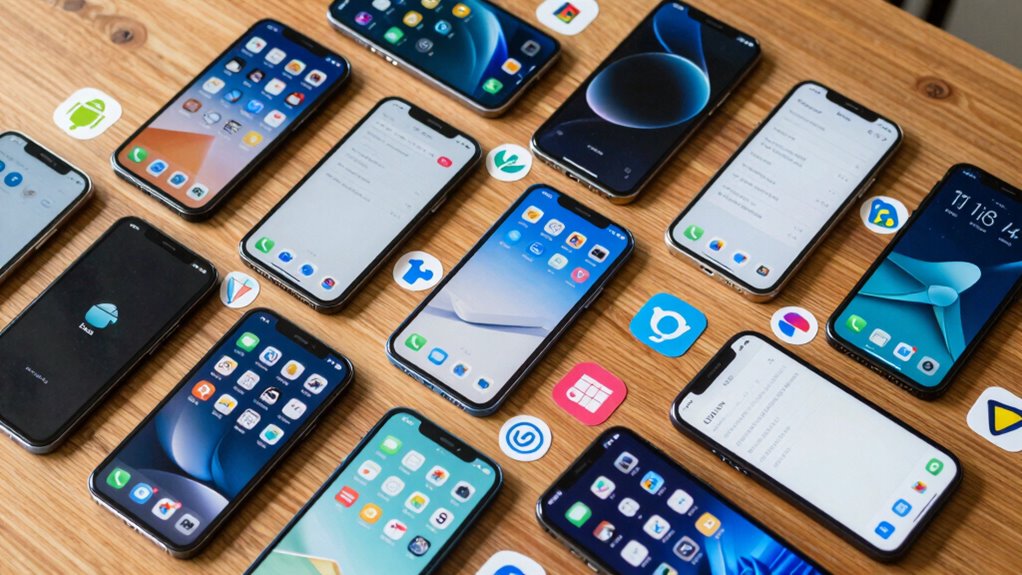
Mobile OS fragmentation refers to the wide variety of operating system versions and device configurations in use today, which can complicate app development and user experience. You face challenges due to device diversity, as different devices have varying hardware capabilities, screen sizes, and OS versions. This diversity makes it difficult to guarantee your app runs smoothly across all devices. Additionally, update challenges arise because not all users promptly install the latest OS versions. Some devices may never receive updates, leaving you to support older, less compatible versions. This fragmentation demands extra testing, increased development effort, and tailored updates, all to maintain a consistent user experience. Recognizing these factors helps you plan better and avoid surprises when trying to reach a broad audience. Furthermore, color accuracy plays a crucial role in ensuring that visual elements of your app are represented consistently across different screens and devices. Understanding digital content adaptability is essential for effectively navigating these challenges and enhancing user satisfaction. Additionally, investing in sleep comfort tools can significantly improve the overall experience for users, as comfort impacts engagement with mobile applications. Having a solid grasp of media literacy can further empower developers to create content that resonates with a diverse user base. Moreover, implementing user consent management strategies can help ensure that app users feel secure about their data and privacy.
cross-platform mobile device testing lab
As an affiliate, we earn on qualifying purchases.
As an affiliate, we earn on qualifying purchases.
Assess Your Audience’s Devices and Usage Patterns
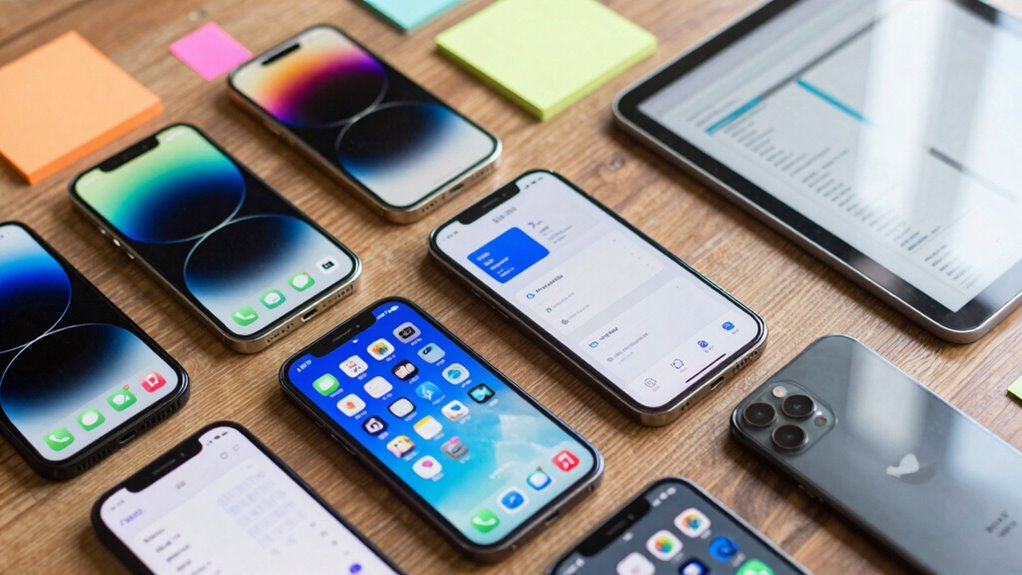
To effectively address OS fragmentation, you need to understand your audience’s devices and usage patterns. Device diversity influences which platforms and screen sizes you need to prioritize. Usage analytics reveal how users interact with your app, helping identify popular devices, OS versions, and feature demands. This data guides your testing focus, ensuring you cover the most relevant scenarios. Use the table below to analyze key factors:
| Device Type | OS Version | User Engagement |
|---|---|---|
| Smartphones | Android 11 | High |
| Tablets | iOS 15 | Moderate |
| Wearables | WatchOS 8 | Low |
| Feature Phones | KaiOS 2.5 | N/A |
Incorporating innovative portable restroom solutions can also enhance user experience at events, making it essential to consider unique needs in your planning.

22 in 1 Mobile Phone Repair Tools Kit Spudger Pry Opening Tool Screwdriver Set for iPhone 11 12 13 14 15 pro xs max Hand Tools Set
22 in 1 repair tool kit made of high quality material for cellphone disassembly and repair, durable and…
As an affiliate, we earn on qualifying purchases.
As an affiliate, we earn on qualifying purchases.
Prioritize Which OSs and Devices to Test First
After analyzing your audience’s devices and usage patterns, you can determine which OSs and devices to prioritize for testing. Device diversity means you’ll encounter various screen sizes, hardware capabilities, and OS versions. Focus on the most common OSs and devices your users favor, ensuring your testing efforts are efficient. OS prioritization helps you allocate resources effectively, starting with the platforms that impact the largest user segments. For example, if most of your audience uses Android devices, prioritize testing on the latest versions and popular models. Incorporating outdoor cooking options can also enhance app performance, especially for users interested in lifestyle-related functionalities. Remember, not every device needs equal attention; concentrate on those with high usage or unique features. This targeted approach minimizes testing scope while maximizing coverage, reducing the risk of overlooked issues. Additionally, understanding the impact of water systems can help in optimizing performance across various devices. Proper testing also considers infection risks associated with app functionality on different devices, ensuring a smoother user experience. Implementing strategies to detect passive voice can significantly enhance the clarity of your communication, making it easier for users to understand your app’s functionality. Moreover, leveraging automation tools can streamline the testing process and improve overall efficiency.

Mobile Forensic Investigations: A Guide to Evidence Collection, Analysis, and Presentation, Second Edition
As an affiliate, we earn on qualifying purchases.
As an affiliate, we earn on qualifying purchases.
Simplify Testing With Emulators, Cloud Services, and Device Labs
Using emulators allows you to run quick tests without needing physical devices, saving time during development. Cloud services let you expand your testing coverage across many OS versions and devices easily. Meanwhile, device labs provide access to real devices, ensuring your app performs well in real-world conditions.
Emulators for Quick Testing
Emulators have become essential tools for quick and cost-effective testing across various mobile OS versions and device configurations. They allow you to simulate different devices without needing physical hardware, streamlining your development process. Setting up emulators is straightforward, and you can customize them to match device diversity, ensuring your app functions well across multiple platforms. To help you choose, here’s a quick comparison:
| Emulator Type | Pros | Cons |
|---|---|---|
| Android Emulator | Easy setup, free | Slower performance |
| iOS Simulator | Fast, integrated with Xcode | Only for Apple devices |
| Cross-platform | Supports multiple OS | May lack full hardware features |
Using these tools, you can test efficiently, catch issues early, and save time.
Cloud Services Expand Coverage
Cloud services have revolutionized mobile testing by allowing you to access a vast array of real devices remotely, without owning or maintaining hardware. This cloud integration boosts your ability to test across multiple OS versions and device models efficiently. To maximize coverage, focus on:
- Leveraging cloud platforms that offer diverse device options to address device diversity challenges.
- Integrating cloud solutions seamlessly into your testing workflows for faster, more reliable results.
- Using these services to simulate real-world scenarios, ensuring your app performs well across various devices and OS configurations.
Device Labs for Real Devices
While cloud services expand your testing reach, nothing replaces the accuracy of testing on actual devices. Device labs give you direct access to real devices, helping you address device diversity and compatibility challenges. By testing on physical devices, you see how your app performs across different screen sizes, hardware configurations, and OS versions. This hands-on approach uncovers issues that emulators or simulators might miss, ensuring your app works smoothly for all users. Device labs also enable quick, reliable testing without relying solely on cloud services or virtual environments. They’re essential for validating real-world performance, spotting hardware-specific bugs, and confirming compatibility. Additionally, insights gained from testing can enhance interpersonal relationships within your development team, leading to a more cohesive approach to problem-solving. Investing in device labs streamlines your testing process, boosts confidence, and ultimately delivers a more consistent user experience across the myriad of mobile devices. Incorporating design principles into your testing strategy can further improve app usability and accessibility.
Manage OS Updates to Keep Your App Compatible
To keep your app compatible across multiple OS versions, you need to regularly check for updates and test your app on different platforms. Automating compatibility monitoring can save you time and catch issues early. Consistently scheduling update checks and testing across versions guarantees your app stays reliable for all users.
Schedule Regular Update Checks
Regularly scheduling update checks is essential to guarantee your app remains compatible with the latest OS versions. Staying proactive helps you identify issues early and adapt quickly. To do this effectively:
- Monitor user feedback for compatibility problems and bug reports.
- Review app store policies regularly, as they often change and impact update requirements.
- Schedule periodic testing across various OS versions to ensure seamless performance.
Test Across Versions
Testing your app across multiple OS versions is essential to catching compatibility issues early and ensuring a smooth user experience. OS version diversity can cause unexpected bugs or UI glitches, especially on older or less common devices. To manage device diversity effectively, you should test on a range of OS versions to identify specific problems. Use emulators, device farms, or real devices to simulate different environments. Focus on key OS versions that represent your user base, updating your testing plan as new versions roll out. This approach helps you pinpoint version-specific issues and adapt your app accordingly, reducing user frustration and support requests. Consistent testing across OS versions keeps your app reliable, regardless of device diversity management challenges.
Automate Compatibility Monitoring
How can you stay ahead of OS updates that might break your app’s compatibility? The key is automation. Compatibility automation tools enable you to monitor fragmentation continuously, spotting potential issues early. Here’s how to implement effective fragmentation monitoring:
- Set up automated tests across multiple OS versions and devices to catch compatibility issues before release.
- Use real-time alerts for OS updates, ensuring you’re informed immediately when a new version could impact your app.
- Regularly review analytics to identify user segments affected by fragmentation, prioritizing updates accordingly. Additionally, consider how safe system design principles can influence your app’s overall reliability during updates.
Design Responsively for Compatibility Across Devices
To guarantee your app works seamlessly across a wide range of devices, designing responsively is essential. You need to account for device diversity and assure screen adaptability. Responsive design allows your app to adjust layouts, images, and interactions based on the device’s screen size and resolution. This prevents UI issues and improves user experience.
Consider these device types:
| Device Type | Screen Size | Key Focus |
|---|---|---|
| Smartphones | 4-7 inches | Touch targets |
| Tablets | 7-12 inches | Readability |
| Wearables | Under 2 inches | Simplicity |
Adapting your design to fit these variations minimizes device fragmentation challenges and maximizes compatibility.
Track and Optimize App Performance on Different Devices
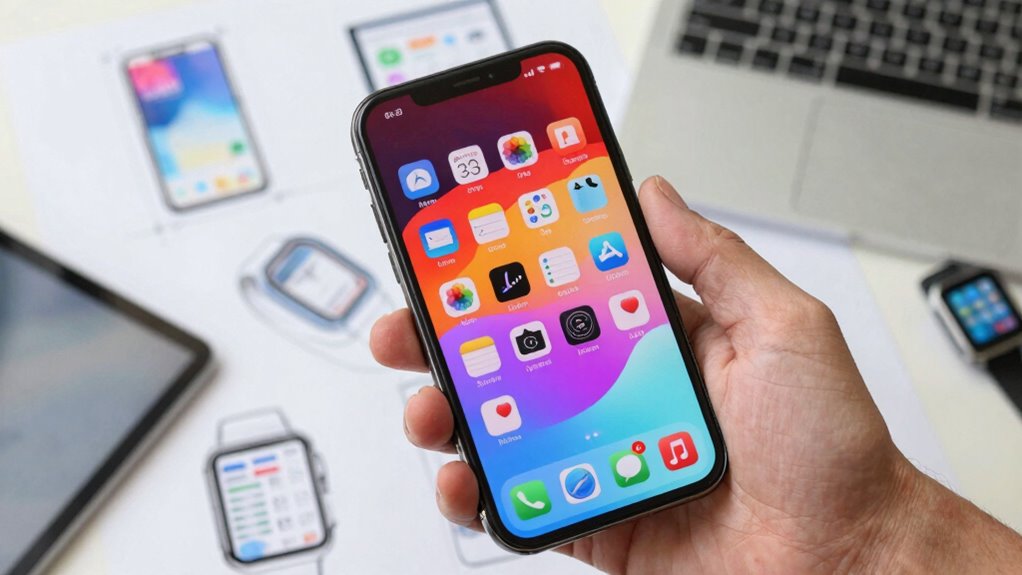
Monitoring your app’s performance across different devices is crucial to guarantee a smooth user experience. With device diversity, performance can vary considerably, making it important to track and optimize accordingly. To assure performance consistency, consider these steps:
- Use analytics tools to identify device-specific bottlenecks.
- Test your app on a variety of devices to detect performance issues early.
- Continuously adjust your code and resources to accommodate differences in hardware and OS versions. Additionally, factor in user reviews to understand how performance varies among different devices.
Troubleshoot Common Fragmentation Challenges Without Stress
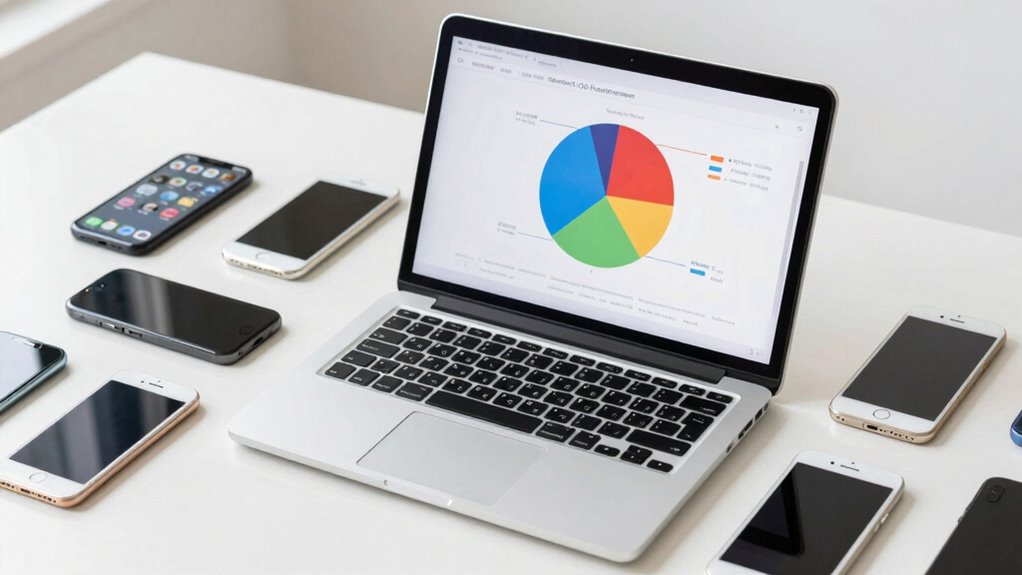
When facing device fragmentation challenges, approaching troubleshooting with a calm and systematic mindset makes the process much more manageable. Start by analyzing device diversity—identify the most common devices and OS versions your users employ. This helps you pinpoint where issues may arise. Next, consider user behavior; understand how users interact with your app across different devices. Are they updating apps regularly? Do they use older devices longer? These insights guide your troubleshooting efforts. Additionally, many users appreciate high-protein breakfast options that can enhance their morning routines, just as diverse user preferences can impact app usage. Keep communication clear and avoid assumptions, focusing on real data from device logs and user feedback. Tackling fragmentation issues step-by-step minimizes stress and prevents overlooking key factors. Remember, most challenges are manageable once you break them down and approach them methodically. Additionally, consider how zodiac traits can influence user behavior and preferences in app usage. To enhance user comfort, incorporating modern toilet features can also improve overall satisfaction. To create a more engaging environment, consider how Italian espresso culture can enhance the overall experience for users as they interact with your app. Having survival gear essentials readily available can also boost user confidence in navigating app challenges effectively.
Plan for Future OS Changes to Stay Ahead of Fragmentation

Anticipating future OS updates is essential for maintaining a smooth user experience and minimizing fragmentation issues. To stay ahead, you should focus on effective OS upgrade planning and implement future proofing strategies.
- Regularly monitor upcoming OS release timelines and features to adapt your app accordingly.
- Design your app with backward compatibility in mind, ensuring it functions across multiple OS versions.
- Build flexibility into your codebase to accommodate changes, reducing the need for major overhauls with each update.
Frequently Asked Questions
How Often Should I Review My App’s Device Compatibility?
You should review your app’s device compatibility regularly, ideally every few months. Keep an eye on user feedback and market trends to identify any compatibility issues early. Frequent reviews help you adapt to new OS updates and device releases, ensuring your app remains functional across devices. Staying proactive reduces user frustration and boosts your app’s performance, making it easier to maintain a seamless experience without panic.
What Tools Are Best for Testing on Multiple Devices Simultaneously?
Don’t let device diversity overwhelm you—use testing tools like BrowserStack or Sauce Labs, which let you test on multiple devices simultaneously. These tools simplify compatibility challenges, saving you time and reducing stress. You can access real device labs without investing in hardware, ensuring your app performs flawlessly across various OS versions and devices. Embrace these solutions to confidently deliver a seamless user experience, regardless of device complexity.
How Do I Handle Unsupported OS Versions Gracefully?
You should implement a compatibility strategy that includes graceful fallback options for unsupported OS versions. Focus on legacy support by designing your app to degrade gracefully on older systems, ensuring core functionalities work everywhere. Use feature detection rather than OS detection, and test thoroughly on legacy devices. Regularly update your support matrix, and communicate limitations clearly to users, so they know what to expect, reducing frustration and improving overall user experience.
What Metrics Indicate Fragmentation Issues Affecting User Experience?
Think of your user base as a vast garden—metrics like device diversity and OS discrepancies are your weather indicators. If you notice high crash rates on specific OS versions or a drop in engagement on certain devices, these signal fragmentation issues impacting experience. Monitoring app version distribution, error logs, and performance metrics across OS versions helps you pinpoint where device diversity causes inconsistencies, so you can nurture a smoother, more unified user experience.
How Can I Automate Testing Across Diverse Mobile OS Versions?
You can automate testing across diverse mobile OS versions by leveraging device emulators and automated testing tools like Appium or Espresso. These tools let you simulate different OS environments, ensuring your app performs well across various devices. Regularly update your emulators to match real device OS versions, and integrate automated tests into your CI/CD pipeline. This approach saves time, reduces errors, and guarantees broader coverage without manual effort.
Conclusion
By understanding your audience’s devices, prioritizing testing, and staying adaptable, you can navigate OS fragmentation with confidence. Using tools like emulators and cloud services simplifies the process, while proactive management of updates and design guarantees compatibility. Remember, “A stitch in time saves nine”—staying ahead of fragmentation prevents bigger issues later. Keep planning, testing, and optimizing, and you’ll turn a complex challenge into a manageable task.