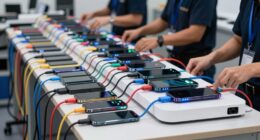

To become a Mobile QA Specialist, focus on mastering testing methodologies, including device compatibility, performance assessment, and bug tracking. Learn how to create test environments that simulate real user scenarios across Android and iOS devices. Developing skills in identifying crashes, performance bottlenecks, and resource issues is key. Staying current with testing tools and best practices helps guarantee apps work smoothly. Keep exploring these areas to build your expertise and boost your career in mobile app testing.
Key Takeaways
- Enroll in comprehensive courses covering device compatibility, performance testing, and testing methodologies specific to mobile apps.
- Gain hands-on experience with real devices and emulators to develop practical testing skills.
- Learn to identify and document bugs, prioritize issues, and communicate findings effectively to development teams.
- Develop expertise in testing across Android and iOS platforms, including varied device specifications and network conditions.
- Obtain certifications or credentials in mobile QA to enhance credibility and career prospects as a Mobile QA Specialist.
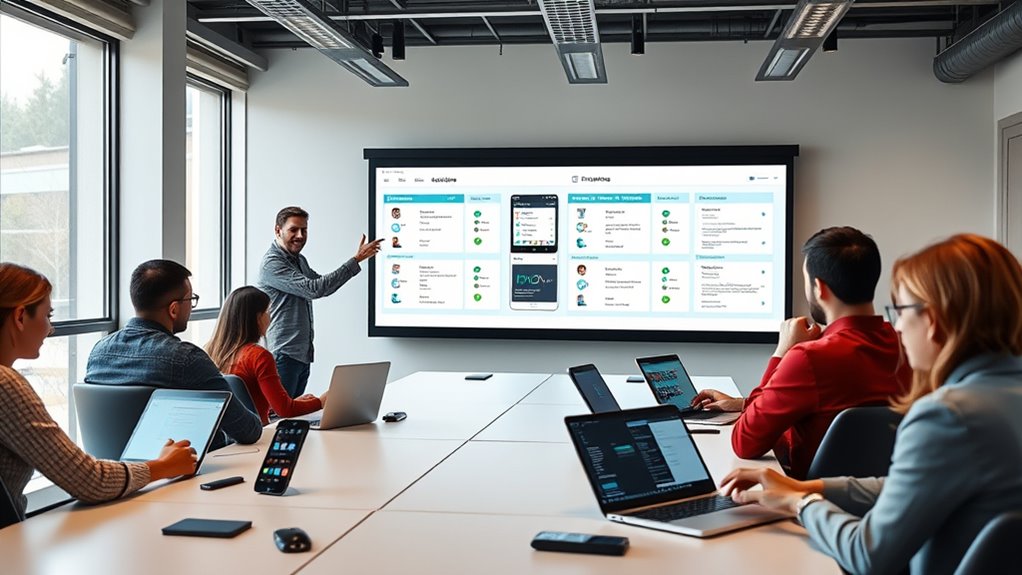
Are you ready to enhance your skills in mobile app quality assurance? Diving into mobile testing training opens the door to a dynamic and in-demand field. As a future mobile QA specialist, your focus will be on ensuring apps work seamlessly across a variety of devices and deliver ideal performance. This means understanding how device compatibility impacts user experience and knowing how to identify issues that might cause an app to crash or slow down. You’ll learn to conduct thorough tests that simulate real-world scenarios, checking whether an app functions well on different smartphones and tablets, each with its own screen size, operating system, and hardware specifications.
Enhance your mobile QA skills by mastering device compatibility and performance testing across diverse devices and platforms.
Mastering device compatibility is crucial. You’ll develop skills to test across multiple platforms, from Android to iOS, and on devices with varying capabilities. Your goal is to uncover bugs that could prevent users from having a smooth experience. This involves setting up test environments that mimic real user conditions, running compatibility tests, and analyzing results to pinpoint issues. By doing so, you help developers create apps that are resilient and adaptable, reducing the risk of negative reviews or app abandonment. You’ll also learn to document your findings clearly, providing developers with actionable insights to improve app stability.
App performance is another critical aspect you’ll focus on. During your training, you’ll learn to evaluate how well an app responds to user interactions, how quickly it loads, and whether it maintains stability under different network conditions. Performance testing involves stress testing, load testing, and analyzing resource consumption to ensure the app remains responsive and efficient. You’ll learn to identify bottlenecks, memory leaks, or sluggish response times that could frustrate users. Ensuring high app performance directly correlates with better user retention and positive app ratings. As a mobile QA specialist, your role is to simulate various usage scenarios, from high traffic to limited connectivity, and verify that the app maintains its quality in each case. Developing skills in test environment setup is essential for replicating real user conditions accurately.
Throughout your training, you’ll also develop a keen eye for detail and a systematic approach to testing. You’ll learn how to write detailed bug reports, prioritize issues, and communicate effectively with developers. This collaborative process ensures that quality is built into every stage of app development. Ultimately, becoming proficient in mobile testing not only boosts your technical skills but also makes you a crucial part of the app development lifecycle, helping create products that are reliable, user-friendly, and widely successful. With the right training, you’ll be equipped to handle the complexities of mobile app testing and stand out as a skilled QA professional in this competitive industry.
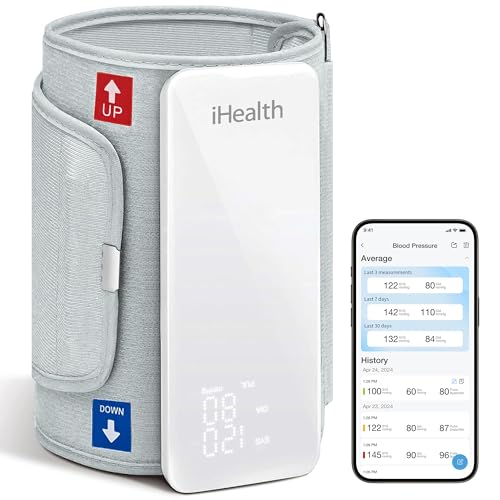
iHealth Neo Wireless Blood Pressure Monitor, Upper Arm Cuff, Bluetooth Blood Pressure Machine, Ultra-Thin & Portable, App-Enabled for iOS & Android
Clinically Validated for Accuracy: The accuracy of iHealth Neo has been thoroughly tested and conforms to relevant certification…
As an affiliate, we earn on qualifying purchases.
As an affiliate, we earn on qualifying purchases.
Frequently Asked Questions
What Are the Prerequisites for Enrolling in Mobile Testing Training?
To enroll in mobile testing training, you should have basic computer skills and familiarity with mobile devices. A solid understanding of mobile testing fundamentals and prerequisite skills like software testing concepts, basic programming, and familiarity with operating systems will help you succeed. No advanced coding knowledge is necessary, but having an interest in app development and testing will give you an edge in mastering mobile QA techniques quickly.
How Long Does It Typically Take to Become a Mobile QA Specialist?
In about 3 to 6 months, you can become a mobile QA specialist, paving your way toward industry certification and boosting your career progression. It’s a journey that involves dedicated learning, hands-on practice, and gaining confidence in mobile testing tools and methodologies. With consistent effort, you’ll develop the skills needed to stand out in the industry and open new professional opportunities more quickly than you might expect.
Are There Any Certification Exams After Completing the Training?
Yes, after completing your training, you can pursue certification exams to enhance your credentials. Certification paths like ISTQB Mobile Testing or Certified Mobile QA Associate offer industry recognition, making you stand out in the job market. These exams validate your skills and knowledge, helping you advance your career. Preparing thoroughly will boost your confidence and demonstrate your commitment to quality assurance in mobile testing.
What Tools and Technologies Are Covered in the Training Program?
In this training, you’ll learn about mobile automation and app testing tools essential for QA specialists. You’ll get hands-on experience with popular tools like Appium, Selenium, and Espresso, enabling you to perform thorough tests on various mobile platforms. The program covers both manual and automated testing techniques, equipping you with the skills to identify bugs efficiently and ensure app quality across different devices and operating systems.
Can I Access Training Materials After the Course Ends?
Think of the training as your personal treasure chest. Once the course ends, you still have access to resources, like opening a vault of knowledge whenever you need it. You also gain ongoing support, like having a mentor by your side to answer questions or guide you. This guarantees you can continually sharpen your skills, stay updated, and confidently navigate the mobile testing world long after the training concludes.

OBD2 Scanner Reader Bluetooth Wireless Auto Diagnostic Scan Tool for iOS & Android for Performance Test Bluetooth 5.4 Car Check Engine Car Code Reader, Clear Error Code Live Data Reset Exclusive APP
【Comprehensive Performance Testing】V011 OBD2 Scanner provides a complete diagnostic solution, giving you a thorough understanding of your vehicle's…
As an affiliate, we earn on qualifying purchases.
As an affiliate, we earn on qualifying purchases.
Conclusion
So, you’ve mastered mobile testing—congratulations! Now, armed with shiny new skills, you’re practically invincible in the app world. Just remember, as you chase bugs and perfect pixels, the real challenge is not losing your sanity or your sense of humor. But hey, with your new QA prowess, you’re now officially the superhero who saves users from buggy apps—because who needs a cape when you’ve got a testing badge? Happy testing!

Pragmatic Flutter: Building Cross-Platform Mobile Apps for Android, iOS, Web & Desktop
As an affiliate, we earn on qualifying purchases.
As an affiliate, we earn on qualifying purchases.

App Store Ready: Testing, CI/CD, and Launch Strategy for Mobile Apps
As an affiliate, we earn on qualifying purchases.
As an affiliate, we earn on qualifying purchases.