
To build a strong QA portfolio, highlight your experience with automation tools like Selenium or Appium, and showcase projects where you improved testing efficiency. Include detailed bug tracking skills using Jira or Bugzilla, explaining how you manage defect lifecycles and collaborate with developers. Add concrete examples such as test reports, automation scripts, or links to repositories. Keep your portfolio updated and organized; exploring further will help you master creating a standout showcase of your testing skills.
Key Takeaways
- Highlight automation expertise with tools like Selenium, Appium, and TestComplete, showcasing projects that improve testing efficiency.
- Include detailed bug tracking experience using Jira, Bugzilla, or Trello, emphasizing defect management and communication skills.
- Present concrete work samples such as test cases, automation scripts, screenshots, or links to repositories to demonstrate technical proficiency.
- Organize your portfolio with a clear structure, summarizing experience and highlighting automation and bug tracking accomplishments.
- Keep your portfolio updated regularly with new projects, skills, and certifications to reflect ongoing growth and expertise.

Are you wondering how to showcase your skills and stand out in the competitive world of quality assurance? Building a compelling QA portfolio is your first step. It’s your chance to demonstrate your technical expertise, problem-solving abilities, and your understanding of the testing lifecycle. Start by highlighting your experience with automation tools, which are essential in modern QA roles. Mention specific frameworks you’ve used, such as Selenium, Appium, or TestComplete, and describe projects where you’ve integrated automation to improve testing efficiency. Show how automation has helped reduce manual effort, increase test coverage, or speed up delivery cycles. Employers want to see that you can leverage these tools effectively to streamline testing processes. Additionally, emphasizing your familiarity with merchant services can demonstrate your ability to test secure payment processing systems, which is increasingly important in today’s digital economy.
In addition to automation, your familiarity with bug tracking systems is equally important. Showcase your ability to document, prioritize, and communicate issues clearly. Include examples of bug tracking tools like Jira, Bugzilla, or Trello, and explain how you’ve used them to manage defect lifecycles. Describe scenarios where you identified critical bugs, collaborated with developers to resolve issues, and verified fixes. Demonstrating your skills in bug tracking reveals your attention to detail and your commitment to quality. It also shows that you understand the importance of maintaining exhaustive records for future reference and process improvements.
When creating your portfolio, make sure to include concrete examples of your work. You can add screenshots of test reports, sample test cases, or automation scripts that you’ve written. If possible, provide links to repositories on GitHub or Bitbucket where your code is hosted. This gives potential employers or clients a tangible look at your technical capabilities. Don’t forget to include metrics that quantify your impact—such as reduced testing time, increased defect detection rate, or improved test coverage. These numbers help validate your skills and demonstrate your contribution to past projects.
Structuring your portfolio thoughtfully is vital. Start with a brief summary of your QA experience, then organize your projects chronologically or by skill type. Use clear, concise language to explain your role in each project, emphasizing your use of automation tools and bug tracking processes. Keep it professional but personal—let your enthusiasm for quality assurance shine through. Remember, your portfolio is a living document; update it regularly with new projects, certifications, and skills. With a well-crafted portfolio that highlights your expertise in automation tools and bug tracking, you’ll position yourself as a capable and confident QA professional ready for new opportunities.

LG 34WR55QK-B 34-inch UltraWide WQHD (3440 x 1440) Curved Computer Monitor, 100Hz, 5ms, HDR10, Reader Mode, HDMI, DisplayPort, USB Type-C, Tilt/Height Adjustable Stand, Black
21:9 UltraWide - The 21:9 UltraWide WQHD (3440 x 1440) monitor is great for work. The widescreen allows...
As an affiliate, we earn on qualifying purchases.
Frequently Asked Questions
How Do I Choose the Best Projects for My QA Portfolio?
Pick projects that highlight your skills in test case documentation and bug tracking tools. Choose examples where you identified critical issues, improved testing processes, or automated tests. Focus on projects with diverse scenarios, including manual and automated testing. Showcase your ability to communicate bugs clearly and track them effectively. Select work that demonstrates your problem-solving skills and attention to detail, making your portfolio stand out to potential employers.
Should I Include Certifications or Formal Education?
You should definitely include certifications in your QA portfolio because certification benefits demonstrate your commitment and validated skills. Formal education also adds value by showing your foundational knowledge, but real-world experience and testing skills matter most. Highlight relevant certifications and education to showcase your dedication to continuous learning. This combination strengthens your portfolio, making you stand out to potential employers and proving your readiness for diverse testing challenges.
How Can I Make My Portfolio Stand Out to Recruiters?
You can make your portfolio stand out by including detailed case studies that highlight your problem-solving skills and testing process. Use personal branding to showcase your unique strengths and approach to quality assurance. Keep your portfolio visually engaging, concise, and easy to navigate. Show recruiters your practical experience and passion for QA, making sure each case study demonstrates your impact and deep understanding of testing principles.
What Tools and Technologies Should I Showcase?
Showcase automation tools, testing frameworks, and bug tracking systems to stand out. Highlight your experience with Selenium, JUnit, or TestNG, and demonstrate your ability to automate tests, analyze results, and improve processes. Include tools like JIRA for tracking issues and Postman for API testing. By emphasizing these technologies, you show your versatility, technical skills, and readiness to contribute effectively in diverse testing environments.
How Often Should I Update My QA Portfolio?
You should update your QA portfolio regularly, ideally every few months, to stay aligned with industry trends and showcase your latest skills. Frequent updates demonstrate your growth and adaptability, which are crucial for effective networking strategies. Keep adding recent projects, new tools, and certifications. By consistently revitalizing your portfolio, you show potential employers you’re current, engaged, and committed to your professional development in the ever-evolving tech landscape.

Kado Triple Monitor Setup - 3-Pack 24" 1920x1080 Curved Computer Monitor 1500R 75Hz VESA Mount HDMI Office Gaming Hybrid Sim Racing Built-in Speakers (C24 Trio Series)
TRIPLE MONITOR SETUP - Curved monitors in a trio setup provide a seamless viewing experience with reduced peripheral...
As an affiliate, we earn on qualifying purchases.
Conclusion
Crafting a compelling QA portfolio isn’t just about showcasing skills; it’s about sparking success through standout stories. Show your savvy, highlight your hobbies, and demonstrate dedication. Remember, a polished portfolio proves your professionalism and passion. So, step up, stay sincere, and showcase your skills with confidence. With consistent effort and creativity, you’ll captivate recruiters and conquer your career goals. Your future in quality assurance starts with a stellar, standout portfolio—so seize the spotlight today!
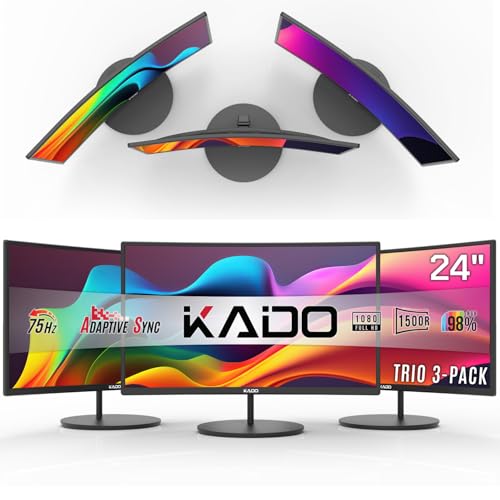
Kado Triple Monitor Setup - 3-Pack 24" Curved 1920x1080 Computer Monitor 1500R 75Hz VESA Mount HDMI Office Gaming Hybrid Built-in Speakers (C24X Trio Series)
TRIPLE MONITOR SETUP - Curved monitors in a trio setup provide a seamless viewing experience with reduced peripheral...
As an affiliate, we earn on qualifying purchases.

Kado Triple Monitor Setup - 3-Pack 27" 1920x1080 Computer Monitor 75Hz VESA Mount HDMI Office Gaming Hybrid Sim Racing Built-in Speakers (E27X Trio Series)
TRIPLE MONITOR SETUP - Flat monitors in a trio setup provide a seamless viewing experience with reduced peripheral...
As an affiliate, we earn on qualifying purchases.