To excel in quality assurance, you should explore essential books like “Lessons Learned in Software Testing,” which offers practical insights, and “Agile Testing,” focusing on collaborative and automated testing within agile teams. “Test Automation in the Real World” helps you design effective automation frameworks, while “The DevOps Handbook” shows how QA fits into continuous delivery. Continuing with these resources will deepen your understanding and sharpen your QA skills for today’s fast-paced software landscape.
Key Takeaways
- “Lessons Learned in Software Testing” offers practical insights, defect management strategies, and real-world examples for QA professionals.
- “Agile Testing” emphasizes collaboration, automation, and continuous feedback to improve testing efficiency in agile environments.
- “Test Automation in the Real World” guides designing reliable automation frameworks that integrate seamlessly with bug tracking systems.
- “The DevOps Handbook” highlights QA integration within CI/CD pipelines, focusing on automation and rapid release practices.
- Understanding visual standards, such as high contrast ratios, supports comprehensive testing of display quality and user experience.

Are you looking to sharpen your skills and stay ahead in the ever-evolving field of quality assurance? If so, exploring the right books can make a significant difference. As QA professionals, mastering concepts like test automation and bug tracking is essential to deliver high-quality products efficiently. The best books on QA not only deepen your understanding of these areas but also introduce you to industry best practices and innovative techniques that keep you competitive.
One must-read is “Lessons Learned in Software Testing” by Cem Kaner, James Bach, and Bret Pettichord. It offers practical insights into common testing pitfalls, effective bug tracking strategies, and how to leverage test automation for maximum efficiency. This book helps you understand the nuances of identifying, documenting, and managing bugs, which is critical for maintaining product quality. It emphasizes the importance of a structured approach to bug tracking, ensuring you can trace issues from detection to resolution systematically. With real-world examples, it encourages critical thinking and helps you develop a keen eye for uncovering hidden defects.
“Lessons Learned in Software Testing” offers practical bug tracking strategies and insights to improve product quality and testing efficiency.
Another valuable resource is “Agile Testing: A Practical Guide for Testers and Agile Teams” by Lisa Crispin and Janet Gregory. It provides an all-encompassing look at integrating testing into agile workflows, emphasizing test automation and continuous bug tracking. This book shows you how to adopt agile testing practices that promote collaboration and faster feedback loops, essential for modern QA environments. It demonstrates how automation tools can streamline repetitive tests, freeing up your time for exploratory testing and complex scenarios. The discussions on bug tracking within agile teams highlight how transparency and communication improve overall quality and reduce cycle times.
For a more technical perspective, “Test Automation in the Real World” by Mark Fewster and Dorothy Graham explores designing and implementing test automation frameworks. It explains how automation can reduce manual effort, improve test coverage, and facilitate quick bug detection. The book emphasizes the importance of integrating automation tools with bug tracking systems, enabling seamless reporting and issue management. By understanding how to build reliable automated tests that work in tandem with bug tracking tools, you increase your ability to deliver stable software quickly and confidently.
Finally, “The DevOps Handbook” by Gene Kim, Jez Humble, Patrick Debois, and John Willis offers insights into the broader context of QA within DevOps pipelines. It discusses automated testing and bug tracking as crucial components of continuous integration and continuous deployment (CI/CD). This book helps you see QA as an integral part of the software delivery process, encouraging you to adopt automation and tracking tools that support rapid, reliable releases. Additionally, understanding the role of high contrast ratios in projectors can enhance your visual experience when evaluating visual quality in presentations or testing environments, highlighting the importance of precise visual standards in QA processes.

Software Testing Unlocked – A Beginner’s Guide to QA & Automation: 20-Step Journey from Beginner to Your First QA Job
As an affiliate, we earn on qualifying purchases.
As an affiliate, we earn on qualifying purchases.
Frequently Asked Questions
How Often Should QA Professionals Update Their Skillset?
You should update your skillset regularly, ideally every few months, to stay current with industry changes. Embrace continuous learning by attending workshops, taking online courses, and reading industry literature. This ongoing skill development helps you adapt to new testing tools and methodologies, ensuring you remain effective and valuable in your role. Staying proactive in your learning journey keeps your expertise fresh and aligned with evolving QA standards.
Are There Any Recommended Books for Beginner QA Testers?
If you’re a beginner QA tester, start with entry-level guides and beginner-friendly resources like “Testing Computer Software” by Cem Kaner or “Software Testing Made Easy” by Dorothy Graham. These books break down fundamental concepts clearly, helping you grasp core testing principles quickly. They’re perfect for building a solid foundation, and you’ll find practical tips that make learning testing techniques easier and more approachable as you kickstart your QA career.
Which Books Focus on Automation Testing Techniques?
If you’re enthusiastic to deepen your skills, consider books that explore automation frameworks and test script development. Titles like “Selenium WebDriver 3 Practical Guide” and “Mastering Test Automation” focus on practical techniques, guiding you through building robust automation strategies. These resources help you understand how to design effective test scripts and implement automation frameworks, empowering you to streamline testing processes and elevate your QA expertise.
Do These Books Cover Industry-Specific QA Practices?
Yes, these books do cover industry-specific practices and niche testing methodologies. You’ll find detailed insights tailored to sectors like finance, healthcare, and e-commerce, helping you adapt your QA strategies accordingly. They emphasize understanding unique industry standards and compliance requirements, ensuring your testing efforts are both thorough and relevant. By exploring these resources, you’ll gain a extensive view of applying QA principles across various niches, boosting your effectiveness in specialized environments.
Are There Resources for Learning QA Tools Alongside These Books?
Imagine opening a treasure chest where knowledge and skills collide. You’ll find resources like online courses that act as guiding stars, helping you master QA tools alongside your reading. Pursuing QA certifications further lights your path, turning raw curiosity into expert mastery. These tools and certifications harmonize, giving you the confidence to navigate the complex world of quality assurance with skill and precision.

Hands-On Automated Testing with Playwright: Create fast, reliable, and scalable tests for modern web apps with Microsoft's automation framework
As an affiliate, we earn on qualifying purchases.
As an affiliate, we earn on qualifying purchases.
Conclusion
By diving into these must-reads, you’ll open the secrets to mastering quality assurance like a true legend. These books are your secret weapons, turning you into a QA superhero capable of conquering any challenge that comes your way. Don’t just keep up—leave your competitors in the dust. Embrace these resources, and watch your skills skyrocket to legendary status. Trust me, these books are the game-changers your QA journey has been waiting for!

Agile Testing: A Practical Guide for Testers and Agile Teams (Addison-Wesley Signature Series (Cohn))
As an affiliate, we earn on qualifying purchases.
As an affiliate, we earn on qualifying purchases.
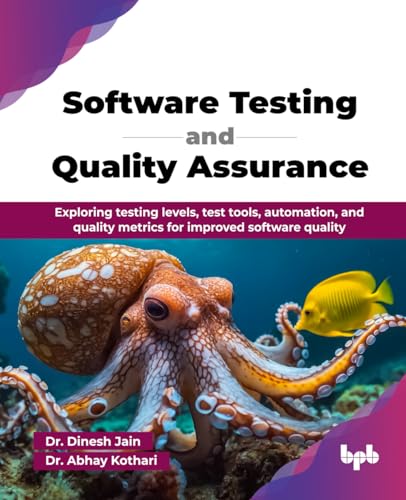
Software Testing and Quality Assurance: Exploring testing levels, test tools, automation, and quality metrics for improved software quality (English Edition)
As an affiliate, we earn on qualifying purchases.
As an affiliate, we earn on qualifying purchases.