

To master automation testing, start with top online courses from platforms like Udemy, Coursera, or Test Automation University, which cover Selenium, TestNG, and JUnit. Practice building test frameworks, following scripting best practices, and engaging with community forums for support. Utilize free tutorials, sample projects, and documentation to reinforce your skills. Staying committed and exploring advanced tools will enhance your expertise—keep going today to discover even more ways to succeed in automation testing.
Key Takeaways
- Explore online platforms like Udemy, Coursera, and LinkedIn Learning offering comprehensive Selenium and automation testing courses.
- Utilize official documentation and tutorials from Selenium, TestNG, and JUnit for authoritative learning resources.
- Join automation testing communities and forums such as Stack Overflow, Reddit, and Test Automation University for peer support.
- Practice with real-world projects and open-source contributions to reinforce practical skills and build a strong portfolio.
- Keep updated with industry blogs, webinars, and latest tools to stay current with automation testing trends and best practices.

Are you looking to boost your software testing skills and stay ahead in the fast-evolving tech industry? If so, diving into automation testing training can open up new opportunities and elevate your career. One of the key areas to focus on is understanding test automation frameworks, which serve as the backbone for creating efficient, maintainable test scripts. Learning about different frameworks like Selenium WebDriver, TestNG, or JUnit will help you choose the right tools for your projects and streamline your testing process. These frameworks not only facilitate test automation but also promote best practices that improve code quality and test reliability.
Mastering test automation frameworks like Selenium, TestNG, and JUnit enhances your testing efficiency and project success.
When you get hands-on with test automation frameworks, it’s essential to follow scripting best practices. These practices include writing clean, reusable code, maintaining proper documentation, and organizing your test scripts efficiently. Adopting these habits ensures your automation suite remains scalable and easy to update as your application evolves. Many training resources emphasize the importance of modular scripting, which allows you to reuse code snippets across multiple tests, saving time and reducing errors. So, as you learn, don’t just focus on the technical implementation; pay attention to structuring your scripts logically and following industry standards.
Practicing regularly is vital, so try to set up your own projects or contribute to open-source automation initiatives. This hands-on approach helps reinforce your understanding of test automation frameworks and scripting best practices, making you more confident in deploying automation solutions in live environments. Additionally, understanding emotional support strategies can help you manage stress and stay motivated during your learning journey. Participating in online communities allows you to exchange tips, troubleshoot issues, and stay updated on the latest trends and tools in automation testing.
Ultimately, mastering test automation frameworks and scripting best practices is about continuous learning. Stay curious, experiment with new tools, and keep refining your skills through real-world projects. With the right training resources and dedication, you’ll be able to craft robust, scalable automation tests that save time and improve software quality—keeping you competitive in the rapidly changing tech landscape.

Ultimate Selenium WebDriver for Test Automation: Build and Implement Automated Web Testing Frameworks Using Java, Selenium WebDriver and Selenium Grid for E-Commerce, Healthcare, EdTech, Banking, and SAAS (English Edition)
As an affiliate, we earn on qualifying purchases.
As an affiliate, we earn on qualifying purchases.
Frequently Asked Questions
What Are the Prerequisites for Starting Automation Testing Training?
To start automation testing training, you should have a basic understanding of testing concepts and familiarity with programming languages like Java, Python, or C#. You’ll need scripting skills to create test scripts effectively and knowledge of setting up a test environment. This foundation helps you grasp automation tools like Selenium and accelerates your learning process. No advanced coding is required, but a willingness to learn scripting is essential.
How Long Does It Typically Take to Become Proficient in Selenium?
So, you wanna master Selenium fast? Well, buckle up—becoming proficient usually takes around 4 to 6 months, depending on your learning curve and dedication. Skill development isn’t a sprint; it’s a marathon. Expect to spend time understanding core concepts, practicing regularly, and troubleshooting. If you’re committed, you’ll see progress in a few months, but true mastery might take closer to a year—so don’t forget to enjoy the ride!
Are There Certification Programs for Automation Testing?
Yes, there are certification programs for automation testing that help you validate your skills and enhance your career. These certification pathways, like ISTQB, Certified Selenium Professional, or QTP certifications, serve as valuable skill validation tools. They demonstrate your expertise to employers and can open doors to better opportunities. To succeed, choose a recognized program, prepare thoroughly, and stay updated on the latest testing trends and tools.
Which Programming Languages Are Most Commonly Used in Automation Testing?
You should focus on Java, Python, and JavaScript as the most commonly used programming languages in automation testing. These languages are popular because they have extensive support in automation frameworks like Selenium, TestNG, and Cypress. Choosing one of these languages allows you to leverage numerous resources and community support, making your automation testing efforts more efficient and effective. Start learning the language that best fits your goals and project requirements.
How Do I Choose the Best Automation Testing Tools for My Project?
Choosing the best automation testing tool is like finding a needle in a haystack, but start by conducting a thorough tool comparison to match features with your project needs. Don’t forget a cost analysis to ascertain affordability. Consider factors like ease of use, integration capabilities, and community support. By weighing these aspects carefully, you’ll select a tool that boosts efficiency and fits your budget perfectly.
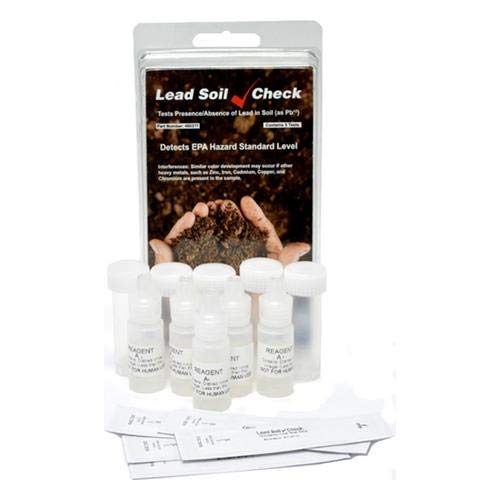
Industrial Test Systems 480311, Lead Soil Check, 5 Tests (Pack of 10 pcs)
Price for Pack of 10 pcs
As an affiliate, we earn on qualifying purchases.
As an affiliate, we earn on qualifying purchases.
Conclusion
Starting automation testing training is like planting seeds for a fruitful future. With the right resources, you’ll nurture your skills and watch your confidence grow like a sturdy tree reaching for the sky. Keep exploring, practicing, and stay curious—because mastery in Selenium and automation tools opens doors to endless opportunities. Stay committed, and you’ll soon find yourself sailing smoothly through the vast ocean of testing challenges, turning obstacles into stepping stones on your journey to success.

Java Testing Deep Dive: Exploring JUnit, TestNG, and Mocking Frameworks
As an affiliate, we earn on qualifying purchases.
As an affiliate, we earn on qualifying purchases.

THE COMPLETE WRIKE USER GUIDE FOR BEGINNERS: A Step-by-Step Manual to Master Project Management, Workflow Automation, Task Tracking, and Team Collaboration
As an affiliate, we earn on qualifying purchases.
As an affiliate, we earn on qualifying purchases.