

Observability turns raw system data into quick insights, helping you spot and fix issues fast across complex microservices. It combines distributed tracing, which maps request flows and pinpoints bottlenecks, with alert management that flags anomalies automatically. Together, they create a clear picture of system health, reducing guesswork and downtime. By understanding how data flows and reacts, you can stay ahead of problems and keep systems running smoothly—there’s more to uncover as you continue exploring.
Key Takeaways
- Observability transforms raw data like logs and metrics into actionable insights for faster issue detection and resolution.
- Distributed tracing provides a detailed map of request flows across microservices, pinpointing bottlenecks and errors.
- Alert management automatically monitors system metrics and triggers notifications for anomalies, enabling quick responses.
- Combining tracing and alerts creates a proactive approach, reducing troubleshooting time and preventing downtime.
- Clear visualization and concrete data from these tools streamline system understanding, optimizing performance and reliability.

Have you ever wondered how teams quickly identify and fix issues in complex software systems? The secret lies in observability, a set of practices that transform raw data into actionable insights. Central to this process are tools like distributed tracing and alert management, which work together to provide a clear picture of what’s happening across your entire system. Distributed tracing lets you follow a request as it travels through various microservices, giving you a detailed map of each step. When a user reports a problem, you can pinpoint exactly where it occurred, whether it’s a bottleneck in a database query or a delayed response in an API call. This visibility helps you understand the root cause faster, reducing downtime and improving user experience.
Alert management plays a critical role in this ecosystem by ensuring you’re notified promptly about issues that need attention. Instead of sifting through endless logs or waiting for users to complain, alert management systems automatically monitor your metrics and trigger alerts when thresholds are crossed. For example, if latency spikes or error rates increase unexpectedly, you’re immediately alerted. This proactive approach minimizes the time it takes to react to problems, allowing you to fix issues before they impact a large number of users. Combining alert management with distributed tracing creates a powerful feedback loop: alerts highlight the problem, and traces help you drill down into the specifics, making troubleshooting more precise and efficient.
Furthermore, understanding contrast ratio in your system’s performance can help optimize how data is visualized, aiding in quicker diagnosis and resolution. Think of distributed tracing as your detailed roadmap, revealing exactly how data moves through your system, while alert management acts as your alarm system, waking you up when something’s wrong. Together, they enable you to maintain high availability and performance, even as your infrastructure scales and becomes more complex. Instead of guessing where the issue might be, you get concrete evidence that guides your actions. This clarity speeds up resolution times and reduces the guesswork involved in troubleshooting.
Distributed Tracing in Practice: Instrumenting, Analyzing, and Debugging Microservices
As an affiliate, we earn on qualifying purchases.
As an affiliate, we earn on qualifying purchases.
Frequently Asked Questions
How Does Observability Differ From Monitoring?
When you ask how observability differs from monitoring, think of monitoring as tracking specific metrics or alerts to detect issues. Observability, however, gives you a broader view, enabling you to perform root cause analysis through data correlation across logs, metrics, and traces. This holistic approach helps you quickly pinpoint problems, understand their impact, and resolve them faster, making your system more reliable and resilient.
What Tools Are Best for Implementing Observability?
Imagine you’re Captain Kirk, steering a complex starship. For implementing observability, you need tools like Datadog or New Relic that support distributed tracing and alerting strategies. These tools help you pinpoint issues across systems quickly, guarantee seamless operations. They provide real-time insights, visualize system dependencies, and automate alerts, so you can respond swiftly. Selecting the right platform guarantees your observability is thorough, proactive, and ready to handle any anomaly.
How Can Small Teams Adopt Observability Practices Effectively?
To adopt observability effectively, focus on fostering team collaboration and simplifying data visualization. Encourage open communication so everyone understands system insights, and use user-friendly tools that make data easy to interpret. Start small with clear goals, and gradually expand your observability practices. This approach helps your team stay aligned, quickly identify issues, and make data-driven decisions, even with limited resources.
What Are Common Challenges in Scaling Observability Solutions?
Scaling your observability is like expanding a garden; it’s easy to get tangled in weeds. You’ll face data silos that block insights and alert fatigue that drowns your team in notifications. These challenges make it harder to get a clear view of your system’s health. To grow effectively, you need streamlined data flows and smarter alerting—so your team can focus on what truly matters without feeling overwhelmed.
How Does Observability Impact Overall System Security?
Observability greatly enhances your system security by enabling you to identify security vulnerabilities early and monitor for unusual activity. It improves threat detection by providing real-time insights into system behavior, allowing you to respond swiftly to potential breaches. With all-encompassing observability, you can proactively address vulnerabilities, reduce security risks, and strengthen your overall defenses, ensuring your system stays resilient against evolving threats.
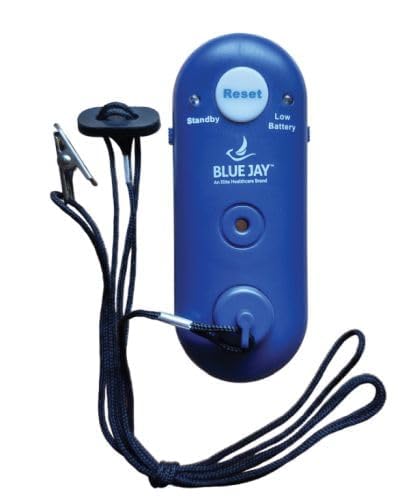
Alarm Alert Magnet Alarm, Fall Management System for Elderly Residents, Aid for Monitoring Patients in Bed or in Wheelchairs, Alarm System for Love Ones, Assisted Living Residents and Elderly Care
Each box contains a 9-Volt Battery, Wall Bracket, U-Bracket, Adjustable Length Cord with Magnet and Clothing clip
As an affiliate, we earn on qualifying purchases.
As an affiliate, we earn on qualifying purchases.
Conclusion
By mastering observability, you open the power to detect issues before they escalate, turning complex data into clear insights. Think of it as a detective’s toolkit—logs, metrics, and traces working together to reveal the root cause swiftly. When you embrace this approach, you’re not just reacting to problems; you’re proactively enhancing performance and reliability. Trust that investing in observability truly pays off, transforming chaos into clarity and helping you stay ahead.

OBSERVABILITY ENGINEERING WITH OPENTELEMETRY: Distributed Tracing Metrics Collection and System Performance Diagnostics
As an affiliate, we earn on qualifying purchases.
As an affiliate, we earn on qualifying purchases.

Prometheus: Up & Running: Infrastructure and Application Performance Monitoring
As an affiliate, we earn on qualifying purchases.
As an affiliate, we earn on qualifying purchases.