
QA sign-off is your key step in guaranteeing and mitigating risks before go-live. It confirms the product meets quality standards, functions correctly, and satisfies user needs. Combining automated testing with user acceptance testing gives you a thorough view of technical stability and usability concerns. This ensures you release a dependable, user-friendly product that minimizes post-launch issues. Keep exploring how to optimize your QA process to make confident deployment decisions every time.
Key Takeaways
- QA Sign-Off confirms that all testing criteria are met, reducing the risk of critical issues at launch.
- Automated testing ensures comprehensive, quick validation of functionality, identifying bugs early to mitigate risks.
- User Acceptance Testing (UAT) provides real-world insight into usability, highlighting potential user-related risks.
- Combining automated testing and UAT offers a holistic view of product quality, minimizing post-launch failures.
- Sign-off acts as a formal checkpoint, ensuring the product aligns with quality standards and stakeholder expectations before go-live.

Have you ever wondered what it takes to officially approve a project or product before launch? The answer lies in a pivotal step called QA sign-off, where teams assess whether everything is ready and risks are minimized. This process isn’t just a formality; it’s an essential checkpoint that ensures the product meets quality standards, functions correctly, and satisfies user needs. One of the most effective ways to streamline this process is through automated testing. Automated testing allows you to run extensive tests quickly, consistently, and with minimal human error. By automating repetitive test cases, you can identify bugs and issues early in the development cycle, saving time and reducing the risk of overlooking critical problems. Automated testing also provides an all-encompassing coverage, ensuring that different parts of the application work harmoniously and that new updates don’t break existing functionality. When automated tests pass reliably, you gain greater confidence that the product is stable enough for the next stage. Additionally, automated testing can simulate various scenarios that mimic real-world conditions, which is vital for evaluating project stability.
But automated testing alone isn’t enough to secure a solid QA sign-off. You also need user acceptance testing (UAT), where actual users or stakeholders validate that the product aligns with their expectations and needs. UAT serves as the final validation layer, providing real-world insight into how the product performs in practical scenarios. During UAT, you observe how users interact with the product, gather feedback, and identify any usability issues or gaps. This step is key because it shifts the focus from technical correctness to user satisfaction, ensuring that the product delivers value and meets business objectives. If users encounter difficulties or express concerns, it’s a signal to revisit certain features or fix issues before the launch. Combining automated testing with user acceptance testing creates a balanced approach: automation ensures technical quality, while UAT captures the human perspective.
As you approach the final stages of QA sign-off, remember that both automated testing and user acceptance are integral. Automated testing finds bugs, verifies functionality, and accelerates the process, while user acceptance confirms the product’s usability and relevance. Together, they help you assess risks holistically, allowing you to make an informed decision about whether the product is ready for its public debut. Skipping or rushing through either can leave critical issues unaddressed, increasing the chances of post-launch failures or unhappy users. Ultimately, a thorough QA sign-off backed by these testing methods ensures that you’re releasing a product that is dependable, user-friendly, and aligned with quality standards. That’s how you confidently move from development to launch, knowing you’ve done your due diligence.
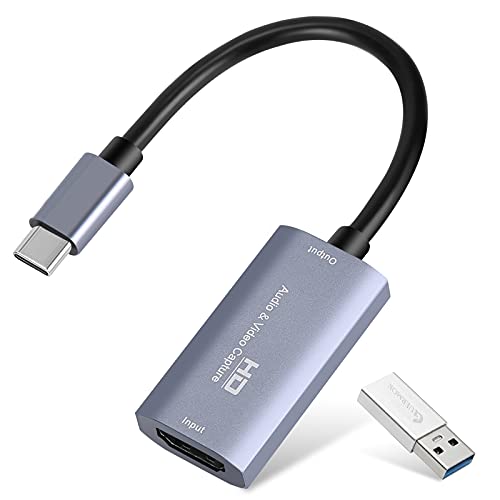
Guermok Video Capture Card, 4K USB3.0 HDMI to USB C Capture Card for Streaming, 1080P 60FPS, Compatible with iPad Mac OS Windows, Quest 3, OBS, PS5/4, Switch2/1, Xbox, Camera (Silver)
【1080P 60FPS Video Capture Card】 This HDMI game capture card is based on USB3.0 high speed transmission port,...
As an affiliate, we earn on qualifying purchases.
Frequently Asked Questions
How Do I Handle Last-Minute Risk Issues Discovered During Sign-Off?
When you discover last-minute risk issues during sign-off, act quickly by implementing contingency planning to address the problem. Communicate transparently with stakeholders to keep them informed and involved in decision-making. Prioritize risks based on their impact and urgency, and document the steps taken. This proactive approach helps mitigate potential setbacks, ensuring a smoother go-live process and maintaining confidence among your team and stakeholders.
What Tools Are Recommended for Tracking QA Sign-Off Status?
You should use project management tools like Jira or Trello to track QA sign-off status effectively. These tools support best practices by providing real-time updates, customizable dashboards, and clear task assignments, which help guarantee thorough risk mitigation. Keep everyone accountable by regularly reviewing progress and addressing issues promptly. Proper tracking not only streamlines the sign-off process but also minimizes last-minute risks before go-live, ensuring a smooth release.
Who Should Be Involved in the Risk Assessment Process?
Think of the risk assessment as a symphony where every instrument matters. You should involve stakeholders across departments—developers, QA, product managers, and operations—who bring diverse perspectives. Their collaboration ensures risk mitigation strategies are robust and thorough. By uniting these voices, you create harmony that minimizes potential issues before go-live, making sure the project’s foundation is strong enough to weather any storm.
How Do I Prioritize Issues Identified During QA Sign-Off?
To prioritize issues during QA sign-off, start by evaluating issue severity—urgent, high-impact problems get top priority. Communicate clearly with stakeholders about each issue’s importance and potential risks. Focus on fixing critical defects first, then address medium and low-priority issues. Keep stakeholders informed throughout the process to ensure alignment. This approach helps you manage risks effectively and guarantees a smoother go-live with minimal disruptions.
What Documentation Is Required to Finalize the QA Sign-Off?
You need to gather all essential risk documentation and complete a thorough sign-off checklist to finalize QA sign-off. Make certain this documentation clearly details identified risks, mitigation strategies, and resolution status. The sign-off checklist confirms that all issues are addressed and risks are managed. Once everything is reviewed and approved, you can confidently proceed with go-live, knowing you’ve thoroughly documented and assessed potential risks.

Kado Triple Monitor Setup - 3-Pack 24" 1920x1080 Curved Computer Monitor 1500R 75Hz VESA Mount HDMI Office Gaming Hybrid Sim Racing Built-in Speakers (C24 Trio Series)
TRIPLE MONITOR SETUP - Curved monitors in a trio setup provide a seamless viewing experience with reduced peripheral...
As an affiliate, we earn on qualifying purchases.
Conclusion
You can’t afford to leave anything to chance when it comes to QA sign-off. Skipping this step is like launching a rocket without checking the fuel — disaster waiting to happen. Think of it as your safety net, catching every tiny flaw before it becomes a catastrophic failure. When you thoroughly assess risks and sign off confidently, you’re not just avoiding mistakes—you’re building an unbreakable fortress around your project’s success. Don’t underestimate the power of a solid QA sign-off!

Kado Triple Monitor Setup - 3-Pack 24" Curved 1920x1080 Computer Monitor 1500R 75Hz VESA Mount HDMI Office Gaming Hybrid Built-in Speakers (C24X Trio Series)
TRIPLE MONITOR SETUP - Curved monitors in a trio setup provide a seamless viewing experience with reduced peripheral...
As an affiliate, we earn on qualifying purchases.

Kado Triple Monitor Setup - 3-Pack 27" 1920x1080 Computer Monitor 75Hz VESA Mount HDMI Office Gaming Hybrid Sim Racing Built-in Speakers (E27X Trio Series)
TRIPLE MONITOR SETUP - Flat monitors in a trio setup provide a seamless viewing experience with reduced peripheral...
As an affiliate, we earn on qualifying purchases.