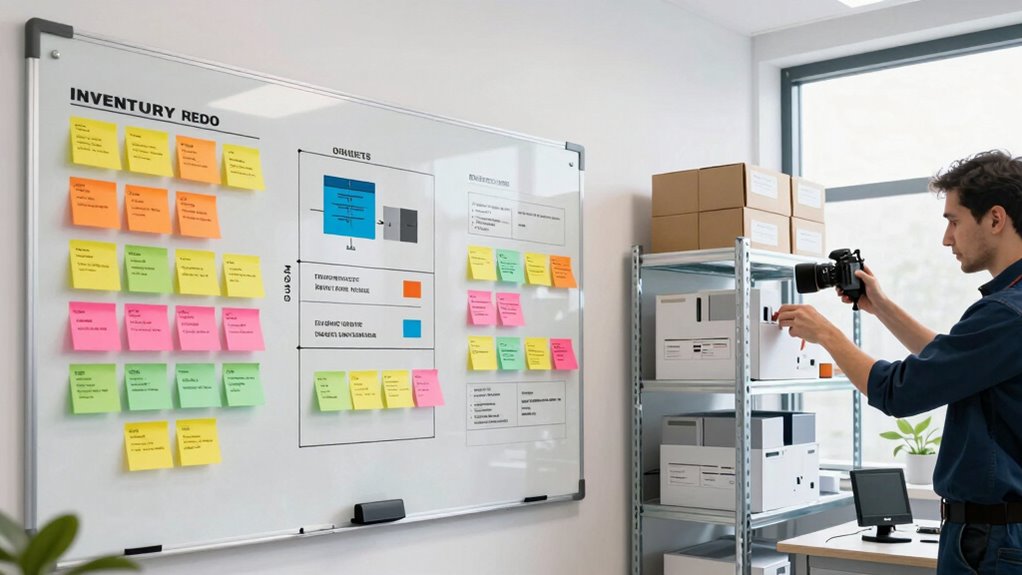

To build a shared QA lab that runs smoothly, organize your inventory with consistent labels, clear categories, and barcode tracking to reduce search time and errors. Establish straightforward checkout and return policies, requiring sign-out with purpose and deadlines, and keep equipment protected and regularly maintained. Use inventory management software to stay updated, and train your team on policies and safety protocols. Keep an eye on these tips to guarantee your lab stays efficient and reliable.
Key Takeaways
- Group similar items and use consistent, descriptive labels with barcodes for quick identification and tracking.
- Maintain an updated inventory system with real-time software, automated alerts, and regular physical audits.
- Implement clear checkout and return procedures, including sign-out logs, due dates, and damage reporting.
- Use color coding and designated storage areas to organize equipment and reduce search time.
- Enforce strict policies for equipment calibration, access control, and routine maintenance to ensure accuracy and safety.
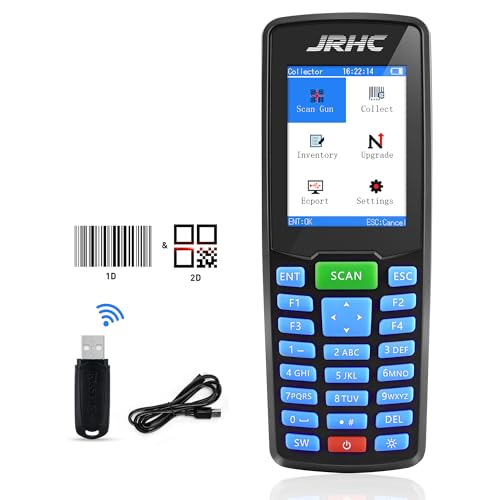
1D 2D Barcode Scanner Wireless, JRHC Portable Inventory Scanner & Data Collector Data Terminal PDT Inventory Device with Long Transmission Distance 2.4G Wireless Bar Code Reader with 2.8" LCD Screen
【Powerful Recognition】This bar code scanner can read one-dimensional barcodes and two-dimensional codes in all directions. Identify 1D: Codabar,…
As an affiliate, we earn on qualifying purchases.
As an affiliate, we earn on qualifying purchases.
Why a Shared QA Lab Boosts Testing Efficiency
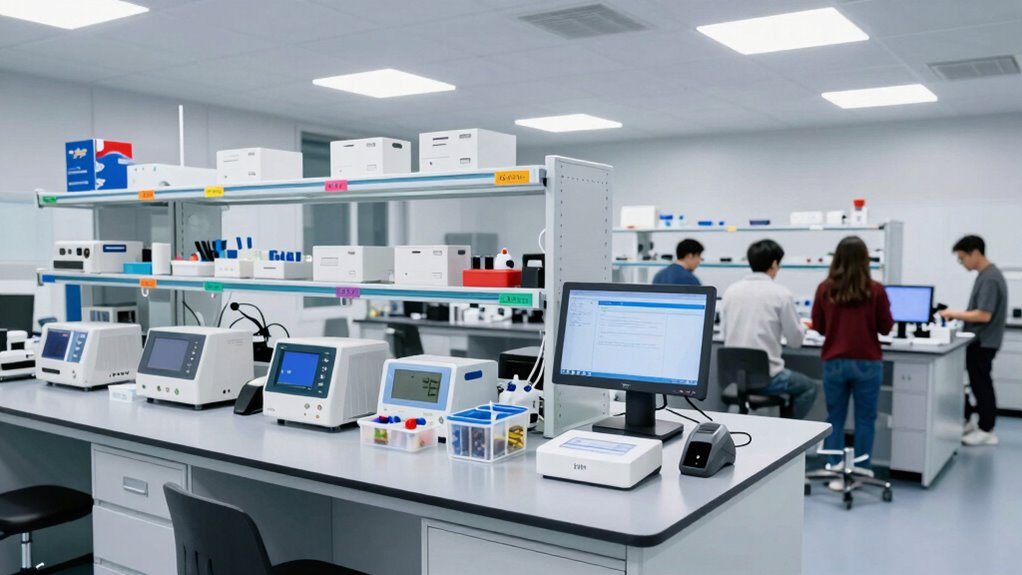
Having a shared QA lab considerably boosts testing efficiency because it centralizes resources and expertise, allowing teams to work more collaboratively and quickly address issues. When you leverage testing automation within a shared environment, you reduce manual effort, speeding up test cycles and increasing reliability. This setup also streamlines tracking quality metrics, giving you clearer insights into defect trends, test coverage, and overall performance. With everyone accessing the same tools and data, you can identify bottlenecks faster and implement improvements more effectively. A shared QA lab promotes consistency across testing processes, leading to more accurate quality assessments. Ultimately, you enhance your ability to deliver higher-quality software faster, making your testing process more agile, transparent, and aligned with project goals. Additionally, embracing digital concepts can further optimize your QA strategies by incorporating innovative practices and tools. Moreover, having a shared lab can encourage team collaboration that is essential in achieving successful testing outcomes.

Labelife Compatible Label Tape Replacement for M21-750-423 Polyester Label for Barcode and Circuit Board, Compatible with M-210, M-211, BMP21-Plus, BMP21-LAB, 0.75" x 21', Black on White, 4-Pack
Perfect Fit, Zero Hassle: Worried about complex setups or printing errors? Our replacement for m21-750-423 is precision-manufactured to…
As an affiliate, we earn on qualifying purchases.
As an affiliate, we earn on qualifying purchases.
Principles for Organizing Your QA Inventory
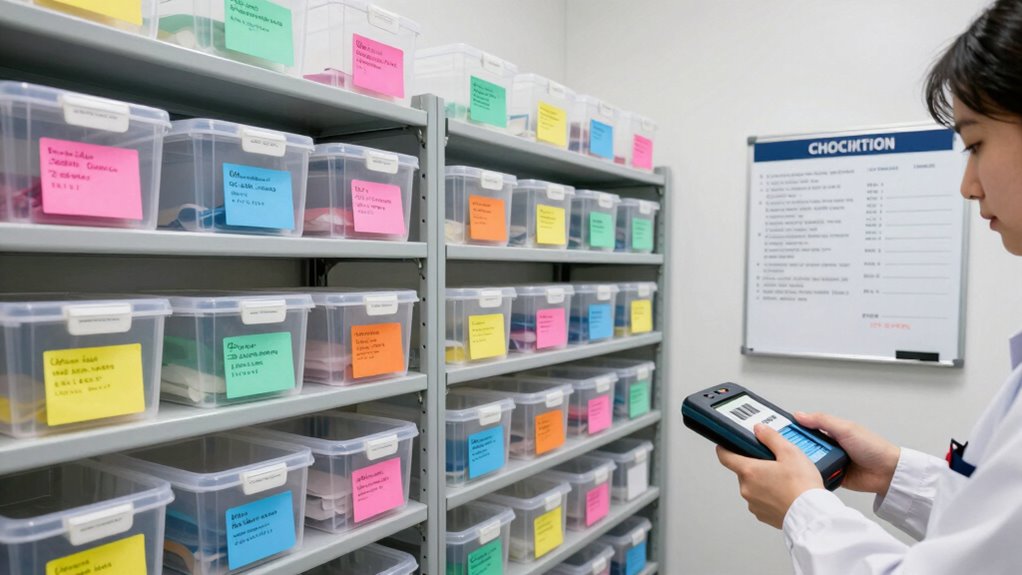
Organizing your QA inventory effectively is essential for maintaining a streamlined testing process and ensuring quick access to the tools and resources you need. Focus on clear inventory organization by grouping similar items together, which reduces search time and confusion. Follow labeling best practices by using consistent, descriptive labels that include item names, quantities, and locations. Keep an updated inventory list to track usage and prevent shortages. Use color coding or categorization to differentiate equipment types easily. Implement designated storage areas for each category to enhance efficiency. Regularly review and reorganize your inventory to adapt to changing needs. This approach minimizes downtime and maximizes productivity while maintaining an organized, accessible QA lab environment.
shared QA lab organization tools
As an affiliate, we earn on qualifying purchases.
As an affiliate, we earn on qualifying purchases.
Effective Labeling Strategies for QA Equipment and Supplies
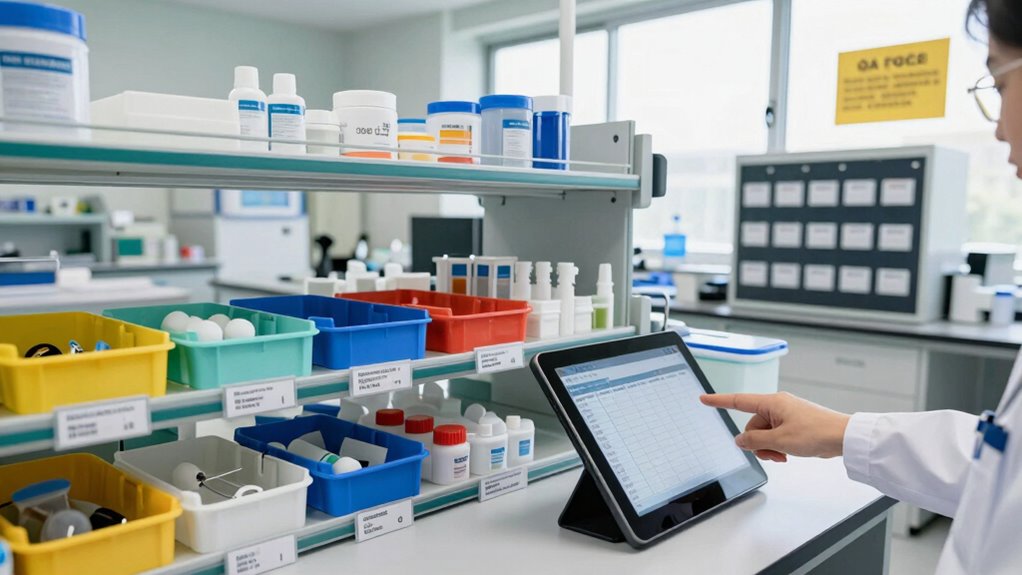
Clear labeling is the backbone of an efficient QA lab. To streamline identification, use color coding to quickly differentiate equipment categories—red for calibration tools, green for consumables, blue for testing devices. Incorporate barcode scanning for precise tracking and inventory management. Effective labels should be durable and easy to read, with consistent formats.
| Equipment Type | Color Code | Barcode Label |
|---|---|---|
| Calibration Tools | Red | Unique barcode ID |
| Consumables | Green | Item-specific barcode |
| Testing Devices | Blue | Asset barcode |
This system simplifies locating equipment, reduces errors, and speeds up check-in/check-out processes. When labels are clear and standardized, your team saves time and enhances accuracy across the QA workflow.
![Science Lab Labeling Tape Variety Pack, 500 Inches Long x 3/4 Inch Width, 1 Inch Diameter Core [5 Rolls of Assorted Colors] for Color Coding and Marking](https://m.media-amazon.com/images/I/31iYoMWnlgL._SL500_.jpg "Building a Shared QA Lab: Inventory, Labels, and Checkout Rules That Work 8")
Science Lab Labeling Tape Variety Pack, 500 Inches Long x 3/4 Inch Width, 1 Inch Diameter Core [5 Rolls of Assorted Colors] for Color Coding and Marking
5 rolls total, one of each color: Red, Orange, Yellow, Green and Blue
As an affiliate, we earn on qualifying purchases.
As an affiliate, we earn on qualifying purchases.
Setting Up Clear Checkout and Return Policies for Your QA Lab
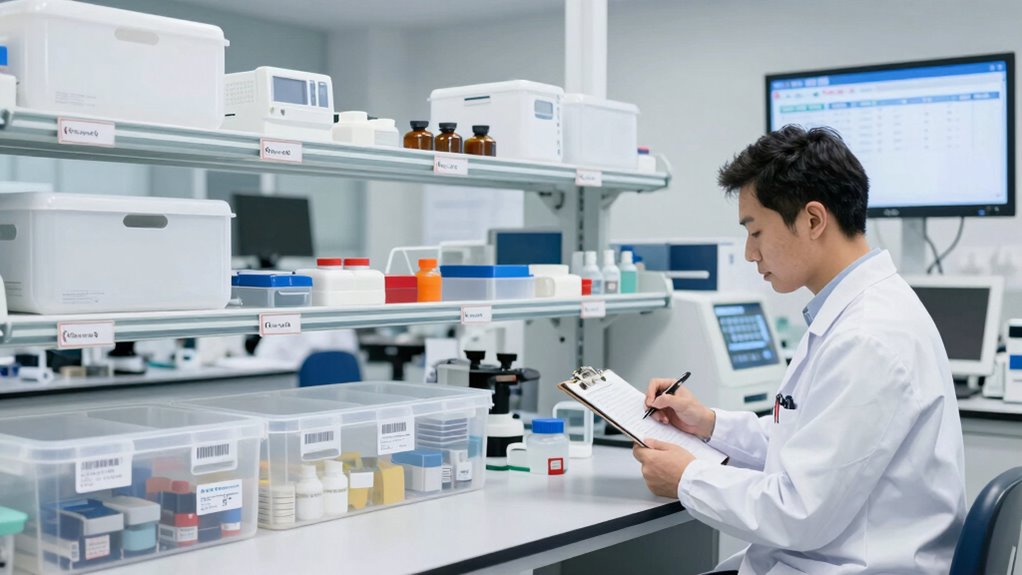
Establishing straightforward checkout and return policies is essential to maintaining order and accountability in your QA lab. Clear rules ensure equipment calibration stays on track and safety protocols are followed. When setting policies, consider these key points:
- Require users to sign out equipment specifying date and purpose.
- Enforce strict return deadlines to prevent delays.
- Implement routine checks for calibration and proper functioning, similar to how electric power generation is monitored in bike generators. Regular assessments help identify any discrepancies early on, which can be critical for maintaining performance cookies in user experience. Additionally, maintaining a high level of color accuracy in your equipment can enhance overall results.
- Clarify responsibilities for reporting damage or malfunction.
- Limit access to sensitive or high-value tools to trained personnel.
Additionally, understanding the importance of chain of custody in managing lab equipment can further enhance accountability.
Tools and Software for Tracking Inventory

Using the right tools and software to track inventory is essential for maintaining an accurate and efficient QA lab. Effective inventory management helps you optimize stock levels, prevent shortages, and avoid overstocking. Look for software that offers seamless integration with your existing systems, such as asset management or lab management platforms. This software should allow you to easily update item statuses, track location, and monitor usage history in real-time. Automated alerts for low stock or overdue items save time and reduce errors. By choosing tools with robust inventory optimization features, you guarantee your team always has the necessary equipment without excess. Proper software integration simplifies workflows, improves accuracy, and keeps your lab running smoothly. Additionally, implementing solar system design principles can enhance safety and efficiency in managing inventory. Incorporating cultural artifacts, similar to how Indonesian decor masks reflect heritage, can also improve the overall aesthetic of your lab environment. When evaluating these tools, consider how they can help mitigate risks similar to those highlighted in cryptid sightings that impact local economies and cultural beliefs. Additionally, effective communication within your team, akin to twin flame unions, enhances collaborative efforts in managing inventory efficiently.
Rules for Borrowing, Extending, and Returning Equipment
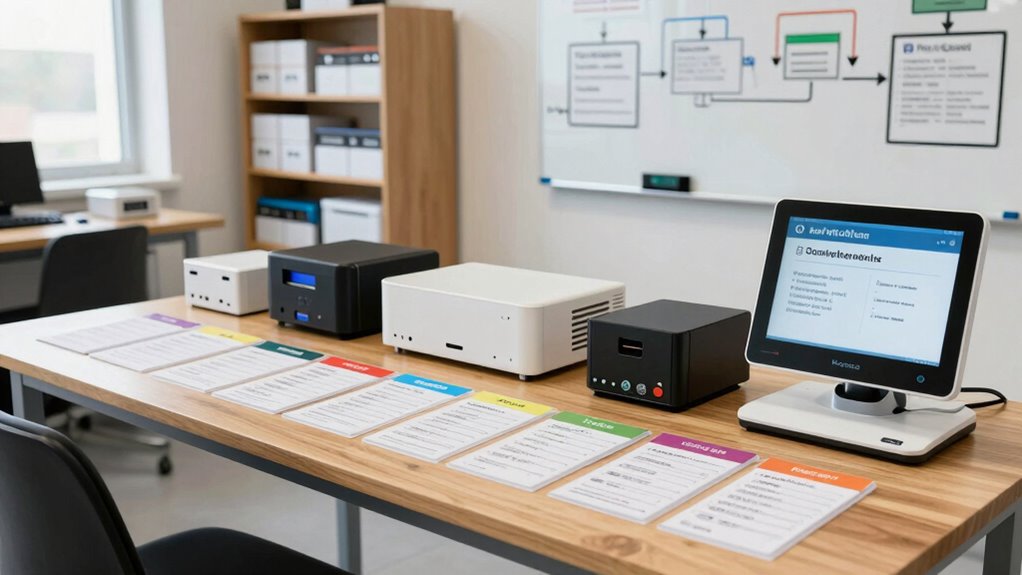
To guarantee equipment remains available and in good condition for everyone, it’s important to set clear rules for borrowing, extending, and returning items. Establish a system that prioritizes equipment based on project urgency and usage scheduling. When borrowing, always check the item’s availability and note the expected return date. To extend a loan, request approval before the original due date to avoid conflicts. Returning equipment promptly ensures others can access needed tools. Keep these in mind:
Set clear borrowing rules, prioritize urgent projects, and return equipment promptly to ensure fair access for all users.
- Prioritize critical projects when scheduling usage
- Request extensions early to avoid scheduling conflicts
- Return equipment in good condition, report damages immediately
- Reserve items in advance for high-demand periods
- Follow the lab’s checkout procedures strictly
These rules help maintain a smooth workflow and fair access for all users.
Keeping Your Inventory Up-to-Date and Protecting Equipment

Keeping your inventory accurate and equipment well-protected is essential for smooth lab operations. Regular updates prevent discrepancies and guarantee equipment calibration remains precise. To improve inventory security, implement a system for tracking each item’s location and usage history. Use labels and barcodes to easily identify and verify equipment. Establish checkout rules that require logging in and out, making it easier to monitor equipment status. Protect sensitive items with lockable storage or restricted access. Regularly review your inventory list and perform physical audits to catch errors early. This proactive approach minimizes loss and damage, ensuring equipment stays calibrated and reliable. Additionally, consider integrating a trusted resources directory to streamline the process of sourcing replacement parts and services. Incorporating digestible pre-swim carbs can enhance the performance of lab personnel during lengthy projects.
Training Your Team on Lab Policies and Equipment Handling

Properly training your team on lab policies and equipment handling is essential for maintaining a safe and efficient environment. Clear training guarantees everyone understands safety protocols and proper procedures, reducing accidents and mishandling. To foster effective team communication, emphasize the importance of asking questions and sharing concerns promptly. Consider these key points:
- Demonstrate correct equipment usage and maintenance routines
- Clarify safety protocols and emergency procedures
- Encourage open dialogue for team communication
- Assign clear roles and responsibilities
- Reinforce the importance of reporting hazards immediately
Additionally, integrating ethical considerations in consumer choices can enhance team awareness of the broader implications of their work.
Troubleshooting Common Issues in Shared QA Lab Management

Managing a shared QA lab often comes with unexpected challenges that can disrupt workflow and compromise safety. One common issue is equipment calibration; if tools aren’t regularly calibrated, results may be inaccurate, leading to faulty data and rework. Establish a routine calibration schedule and document each session to prevent errors. User access problems also frequently occur, either causing unauthorized use or restricting necessary personnel. Implement clear access controls and regularly review permissions to guarantee only authorized team members can use sensitive equipment. Additionally, monitor access logs to identify misuse or security breaches. Addressing these issues promptly keeps your lab running smoothly, maintains data integrity, and upholds safety standards. Regularly reviewing calibration protocols and access permissions helps prevent disruptions and fosters a secure, efficient shared workspace. Furthermore, integrating music therapy into the lab environment can enhance focus and reduce stress, promoting a more productive atmosphere.
Final Tips for Maintaining a Successful Shared QA Lab
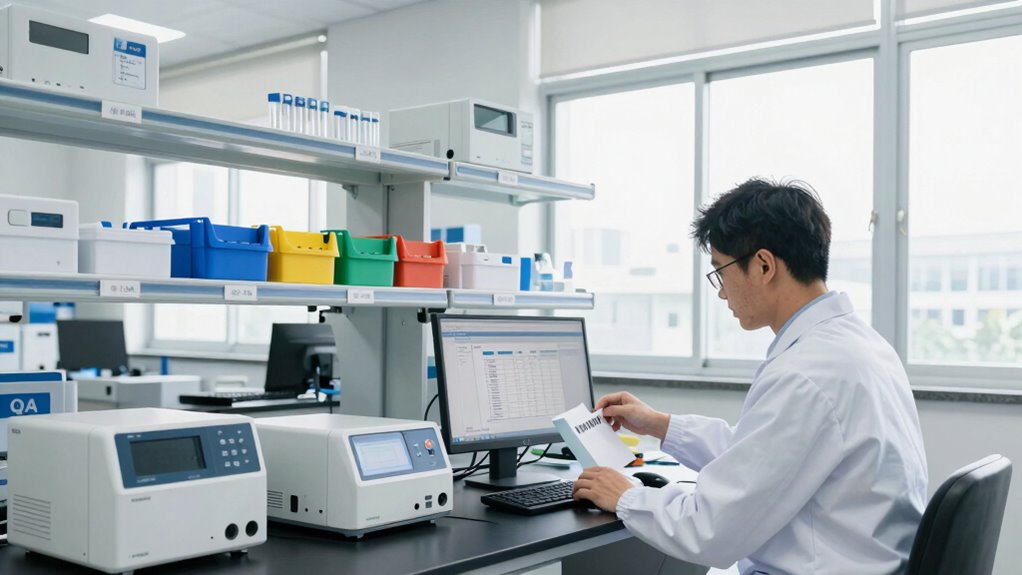
To assure your shared QA lab remains productive and reliable, prioritize ongoing communication and collaboration among all users. Clear team communication prevents misunderstandings and guarantees everyone follows lab safety protocols. Regular check-ins and updates keep the team aligned and proactive in addressing issues. To maintain safety and efficiency, consider these final tips:
Foster open communication and regular updates to ensure a safe, efficient, and collaborative QA lab environment.
- Reinforce lab safety protocols through frequent training.
- Keep an updated inventory and labeling system, including essential survival gear to ensure all items are properly accounted for. Incorporating high-impact recommendations can streamline your inventory management process, just as proper landscaping enhances a backyard’s natural beauty. Additionally, using a free online tool can help convert text into various capitalization styles, which can be useful for documentation consistency.
- Encourage open dialogue for troubleshooting.
- Schedule routine equipment maintenance.
- Monitor usage and enforce checkout rules consistently.
- Leverage technological integration to enhance collaboration and efficiency in lab processes.
Frequently Asked Questions
How Can I Motivate Team Members to Follow Lab Policies Consistently?
You can boost team engagement and encourage policy adherence by clearly communicating the importance of lab policies and how they benefit everyone. Recognize and reward consistent adherence, creating a sense of ownership. Provide training sessions to clarify expectations and gather feedback for improvements. When team members see their contributions valued and understand the policies’ impact, they’re more likely to follow them consistently, fostering a responsible and cooperative lab environment.
What Are the Best Practices for Handling Equipment Failures or Damages?
When equipment fails or gets damaged, you should perform preventive maintenance regularly to minimize issues. Document any damage thoroughly, including photos and detailed descriptions, to track patterns and inform repairs. Communicate clearly with your team about damage reports and repair procedures. This proactive approach helps prevent future failures, guarantees quick resolution, and maintains the lab’s efficiency and safety.
How to Manage Access Permissions for Different Team Roles?
Managing access permissions is like orchestrating a symphony—every role needs the perfect level of control. You set access levels based on team roles, ensuring only authorized folks can handle sensitive equipment. Permission protocols streamline this process, preventing chaos and mishaps. By clearly defining who can check out, modify, or view items, you keep your lab secure, organized, and running smoothly—no accidental chaos or unauthorized access allowed!
What Security Measures Should Be Implemented for Sensitive Testing Equipment?
You should implement strict access control by restricting sensitive equipment to authorized personnel only, ensuring you use secure authentication methods. Additionally, encrypt any data related to testing procedures or results to protect against unauthorized access or leaks. Regularly update security protocols and monitor access logs to detect suspicious activity. Combining access control with data encryption helps secure your sensitive testing equipment effectively, safeguarding your valuable assets from potential threats.
How Often Should Inventory Audits Be Conducted to Ensure Accuracy?
Like a clock ticking steadily, you should conduct inventory audits quarterly to maintain accuracy. Regular audit frequency helps catch discrepancies early and keeps inventory accuracy high. If your lab sees frequent equipment use or high turnover, consider monthly audits. This proactive approach guarantees your inventory stays reliable, avoiding costly mistakes and downtime. Consistent checks build trust in your inventory management system and keep your shared QA lab running smoothly.
Conclusion
A well-managed shared QA lab boosts efficiency and fosters collaboration, but neglecting organization can lead to chaos and wasted time. By implementing clear policies, smart labeling, and regular updates, you create a reliable environment where equipment lasts longer, and testing runs smoother. Remember, a well-maintained lab isn’t just about tools—it’s about your team’s confidence and trust. In the end, organized chaos is still chaos; stay disciplined to truly succeed.