📊 Full opportunity report: Exhibit-Based Learning Games: A Creative Museum Education Tool on IdeaNavigator AI — validation score, market gap, and execution plan.

Get business pricing on monitors, keyboards and dev gear
- Business-only prices and quantity discounts
- Tax-exempt purchasing
- Multiple users, one account, clear invoices
TL;DR

A proposal from IdeaNavigator AI recommends testing collection-based browser games at three small museums as a low-cost education tool. It describes a possible two-week product and a plan to compare visits and bookings, but provides no evidence that a pilot has begun or that the games improve engagement.
IdeaNavigator AI has proposed a three-museum test of exhibit-based learning games, a concept aimed at small history, art and science museums that serve school groups and families. The proposal outlines a browser-based quest package and ways to evaluate it, but does not report a launched program, participating institutions or measured results.
The proposed first customers are museum directors or sole educators at institutions with annual budgets typically below $250,000. IdeaNavigator AI describes these museums as having small teams and volunteers who handle multiple responsibilities. It says school activities may rely on worksheets reused for years, while families can move through exhibits quickly. These are presented as the problem the product is intended to address, not as findings from a published survey.
Under the proposed model, a museum would provide photographs, exhibit labels and object records. Within two weeks, it would receive a browser-based experience that requires no app download. The suggested package includes a school-group hunt organized by grade band and aligned to state standards, a family quest and a short individual trail designed for about 10 minutes.
The concept also includes a simple editing tool for staff to replace objects as displays change, a printable alternative and visit analytics that museums could cite in grant reports. The proposed revenue model is a fixed-price build, followed by a modest annual hosting and content-refresh fee. Regional museum associations are identified as possible group buyers, but no prices, contracts or buyers are named.
Collection-based games are a proposal
IdeaNavigator AI proposes browser-based learning quests for small museums. No pilot, buyers or results have been confirmed.
What museums could receive
The suggested package uses existing collection material to create activities for school groups, families and individual visitors.
Grade-band hunt
A collection quest designed around grade bands and state standards.
Family quest
An interactive way to explore exhibits together.
Short trail
An individual route designed for about 10 minutes.
How the proposed service works
Museums contribute collection information; the package is prepared for browser use without an app download.
Provide photographs, exhibit labels and object records.
Receive a browser-based experience, with a proposed two-week production schedule.
Use a staff editing tool, printable alternative and visit analytics.
A trial is suggested
The proposal outlines a test at three small museums, but does not confirm that it has started.
- School-group bookings
- Family time in exhibits
- Repeat visits
- No participating museums named
- No measured results or launch date
- No buyers or costs reported
What a comparison can show
The proposed test compares one school term with the same term in the previous year.
A Practical Test for Museum Education
If implemented and shown to work, the approach could give small museums a way to add interactive activities without commissioning a custom digital project or maintaining a dedicated app. The proposal focuses on reducing demands on staff: museums would contribute existing collection information, while the game content would be prepared for them and checked by a museum educator.
The suggested evaluation would compare school-group bookings, family dwell time and repeat visits over one term with the same term in the previous year. Those measures could help museums judge whether the activities are associated with changes in engagement, and whether a refresh is worth including in a future grant request. A before-and-after comparison alone would not establish that the games caused any change; other differences between the two periods could affect attendance.
For readers, the immediate development is a product proposal rather than a confirmed change in museum practice. Its relevance lies in the practical question it poses: can a fixed-price, collection-specific activity meet small institutions’ educational needs while remaining manageable for staff and affordable through grants?
Products Worth Considering

Amazon Kindle Paperwhite Signature Edition (12th Generation, 2024), 32 GB, Metallic Raspberry
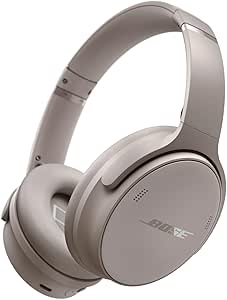
Bose QuietComfort Wireless Noise-Cancelling Headphones, Sandstone

Samsung Galaxy Tab S7 11-inch Android Tablet 128GB Wi‑Fi with S Pen Mystic Black
As an affiliate, we earn on qualifying purchases.
Grant Pressures and Small Museums
The proposal places the idea against changes in federal museum funding. It says the Institute of Museum and Library Services announced its FY2026 Inspire Grants for Small Museums on Sept. 9, 2026, funding 88 small museums to develop educational programs and exhibits. It also refers to an April 2026 court settlement that left the agency intact, while noting that the President’s FY2027 budget again proposed eliminating IMLS.
Those details frame the product as a possible project that museums could fit into a grant budget, rather than as a response to funding already secured for these games. The material gives a tentative deadline of Nov. 13, 2026, for FY2027 National Leadership Grants. It does not identify a specific grant award or say that the proposed game package is eligible under any program.
The proposal also reflects a choice between off-the-shelf scavenger-hunt apps, which it says require museums to write, test and update content, and custom agency work, which it characterizes as costly. No app, agency quote or cost comparison is supplied, so those points remain part of the proposal’s rationale rather than independently documented market data.
No Pilot Results or Buyers Yet
The available proposal does not name any participating museums, confirm that a prototype exists or provide a launch date. It also gives no evidence that a museum has purchased the service or that the proposed two-week production schedule has been tested.
There are no reported results for visitor engagement, school bookings, repeat visits, staff workload or costs. The material does not specify how dwell time would be measured, how the game content would be checked against state standards, or how visitor data would be collected and protected. The grant dates and budget conditions are presented as planning context; the proposal does not establish that funding is available for a particular museum or project.
Three-Museum Trial Is Proposed
The next step outlined is to build quests for three small museums at cost and track results for one school term. The proposed measures are bookings from school groups, the time families spend in exhibits and repeat visits, compared with the same term in the prior year.
The test would also ask whether at least two of the three museums would include a paid content refresh in a future grant application. That would offer an early indication of willingness to pay, though it would not by itself confirm a sustainable market. No trial schedule or participating institutions have been announced, so whether the proposed test proceeds remains unknown.
Source: IdeaNavigator AI
Key Questions
Has a museum game pilot started?
The proposal recommends a test at three small museums, but it does not confirm that a pilot has started or identify participating institutions.
What would the proposed games include?
The suggested browser-based package has a grade-band school hunt, a family quest and a 10-minute solo trail, plus an editor, printable fallback and visit analytics.
How would the idea be evaluated?
The proposed test would compare school-group bookings, family dwell time and repeat visits over one term with the same period in the previous year. No results are available.
Are the games funded by an IMLS grant?
No grant award for the games is identified. The proposal mentions federal museum funding and grant deadlines as possible planning context, not as confirmed funding for this product.
Source: IdeaNavigator AI