
🔍 Read the full analysis: AI Technologies That Make Plumbing & HVAC Coordination Smoother on ThorstenMeyerAI.com

Get business pricing on monitors, keyboards and dev gear
- Business-only prices and quantity discounts
- Tax-exempt purchasing
- Multiple users, one account, clear invoices
TL;DR
AI technologies are now being integrated into construction workflows to improve plumbing and HVAC coordination. These tools help prevent errors, reduce delays, and enhance project efficiency, according to industry sources. The development marks a significant step toward smarter building site management.
AI technologies are increasingly being integrated into construction workflows to improve plumbing and HVAC coordination, leading to fewer errors and faster project completion. Industry sources confirm that new AI-driven platforms are helping contractors avoid costly mistakes, streamline communication, and align work sequences more accurately, marking a significant advance in building site management.
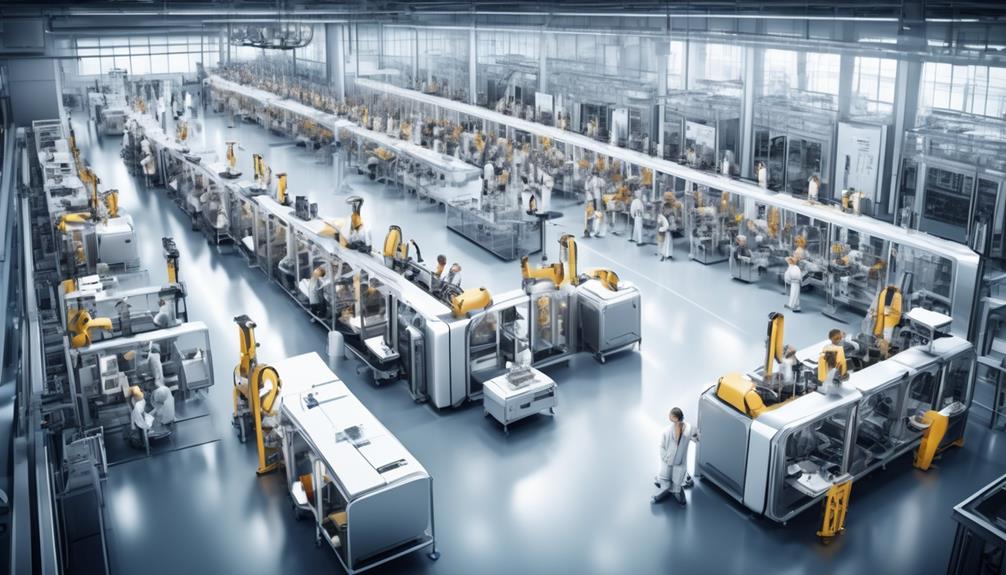
According to industry reports, several construction firms have begun deploying AI-powered coordination tools that analyze project plans, detect potential clashes, and suggest optimal routing for plumbing and HVAC systems before work begins on site. These platforms leverage machine learning algorithms trained on extensive building data, enabling them to identify conflicts such as misaligned shafts or overlapping routes with high precision.
One notable example involves a regional building services company that reported reducing uncoordinated breakthroughs from over 40 per project to fewer than 5, thanks to AI-assisted planning. These tools also generate detailed visualizations, allowing technicians to see exactly where conflicts might occur and address them in the design phase, rather than during physical construction.
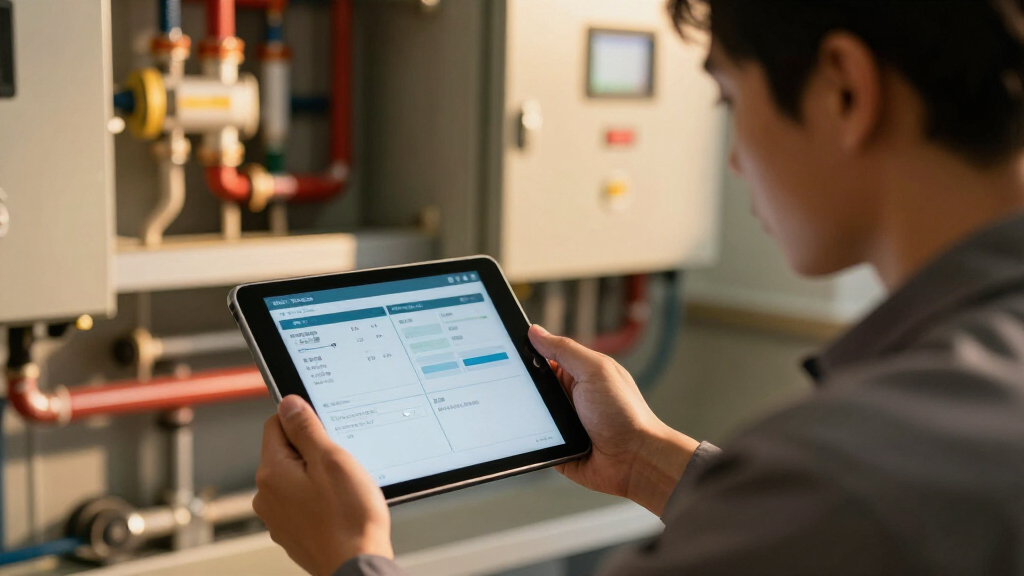
Further, AI is enhancing on-site accuracy through real-time data analysis and augmented reality overlays, which guide technicians during installation. This reduces the likelihood of errors like cutting through rebar or damaging existing structures, issues that traditionally caused project delays and increased costs.
Experts emphasize that these innovations are not just about automation but about smarter decision-making, which ultimately improves project margins and reduces rework. Industry insiders also note that AI tools facilitate better communication among trades, as plans and conflict resolutions are shared instantly across digital platforms, minimizing misunderstandings.
Transforming Construction Efficiency with AI
The integration of AI in plumbing and HVAC coordination represents a substantial shift toward digitalized, data-driven construction management. This evolution enhances accuracy, shortens project timelines, and reduces costly errors, directly impacting project costs and client satisfaction. As these tools become more widespread, they could set new industry standards for building site productivity and quality control, ultimately leading to smarter, more sustainable construction practices.
As an affiliate, we earn on qualifying purchases.
Recent Advances in Construction Tech
Over the past few years, construction technology has increasingly incorporated digital tools such as Building Information Modeling (BIM), IoT sensors, and AI analytics to improve project planning and execution. While BIM has been widely adopted for visualizing structures, AI’s role in clash detection, real-time adjustments, and predictive maintenance is now gaining momentum.
Specifically, in the realm of plumbing and HVAC, traditional coordination involved manual checks and often resulted in costly rework when conflicts were discovered late in the process. The recent development of AI-powered platforms aims to address these inefficiencies by providing early, accurate conflict detection and resolution suggestions, aligning with broader industry goals of reducing waste and improving quality.
Leading firms have begun pilot programs integrating these AI tools, with promising early results. The trend aligns with ongoing efforts to digitize construction workflows, improve collaboration, and adopt more sustainable practices by minimizing material waste and rework.
As an affiliate, we earn on qualifying purchases.
Unanswered Questions About AI Implementation
While early results are promising, it is not yet clear how widely adopted these AI tools will become across different regions and project types. Questions remain about the scalability of these platforms, their integration with existing construction management systems, and the long-term accuracy of AI conflict detection in complex projects. Additionally, industry experts note that the effectiveness of AI depends heavily on data quality and user training, which could vary significantly among firms.
construction project clash detection software
As an affiliate, we earn on qualifying purchases.
As an affiliate, we earn on qualifying purchases.
Next Steps for AI-Driven Construction Coordination
Industry stakeholders anticipate broader rollout of AI platforms in the coming year, supported by ongoing software updates and increased training initiatives. Further pilot projects are expected to benchmark performance across diverse project sizes and complexities. Additionally, integration with existing BIM and project management tools will likely improve, making AI assistance more seamless. Researchers and developers will continue refining algorithms to enhance accuracy and expand functionalities, including predictive maintenance and automated conflict resolution.
building information modeling BIM software
As an affiliate, we earn on qualifying purchases.
As an affiliate, we earn on qualifying purchases.
Key Questions
How does AI improve plumbing and HVAC coordination?
AI analyzes project plans to detect potential conflicts early, suggests optimal routing, and provides real-time guidance during installation, reducing errors and rework.
What are the main benefits of using AI in construction projects?
Key benefits include fewer mistakes, faster project completion, lower costs, and improved communication among trades.
Are these AI tools easy to implement for existing projects?
Implementation depends on the existing technology infrastructure and staff training; early adopters report manageable integration with proper support.
Will AI replace human technicians in construction?
No, AI is intended to assist and augment human decision-making, not replace skilled workers.
What challenges might slow the adoption of AI in construction?
Challenges include data quality, initial costs, resistance to change, and the need for specialized training.
Source: ThorstenMeyerAI.com
Fall Picks
fall essentials
As an affiliate, we earn on qualifying purchases.