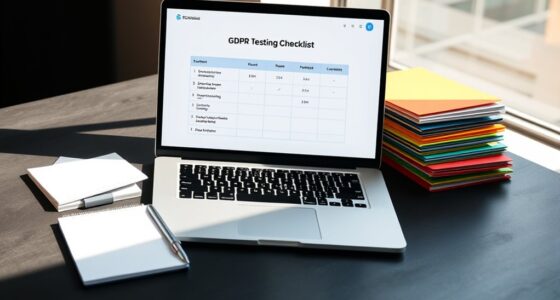

If your lab gets audited tomorrow, start by ensuring your SOPs are accessible, current, and stored in a centralized spot. Gather all documentation, including equipment calibration logs, maintenance records, and QC/test results, verifying their accuracy and completeness. Prepare staff to confidently answer questions and practice a mock audit to spot weak spots. Keep all evidence organized and ready for review. Want to know more tips to pass with flying colors? Keep going for detailed insights.

Get business pricing on monitors, keyboards and dev gear
- Business-only prices and quantity discounts
- Tax-exempt purchasing
- Multiple users, one account, clear invoices
Key Takeaways
- Ensure all SOPs and equipment records are current, organized, and easily accessible for quick review during the audit.
- Confirm calibration, maintenance logs, and QC records are complete, accurate, and properly stored.
- Prepare staff with mock audit simulations, clear communication, and readiness to answer questions confidently.
- Verify sample documentation, chain-of-custody, and supporting evidence are accurate, complete, and well-labeled.
- Conduct a final review of all documentation, identify gaps, and address any discrepancies or missing records.
As an affiliate, we earn on qualifying purchases.
Review Your SOPs to Ensure Accessibility and Currency
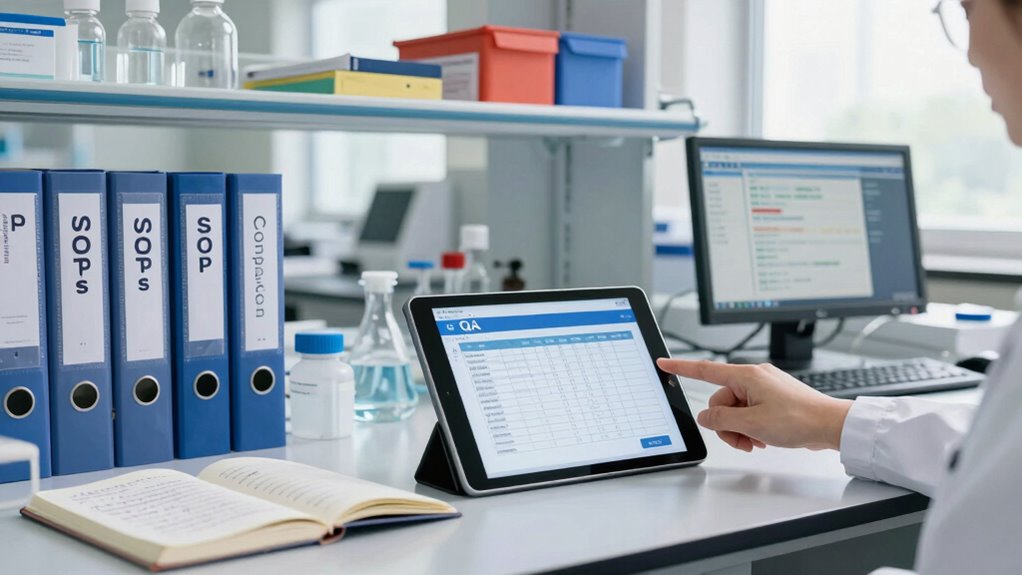
Ensuring your Standard Operating Procedures (SOPs) are accessible and up-to-date is essential for maintaining quality and compliance. Conduct an accessibility review to confirm that all team members can easily find and understand the current SOPs. Check that documents are stored in a centralized, organized location, and that permissions are appropriate. Keeping SOP currency is equally important; review them regularly to ensure they reflect the latest practices, regulations, and technological updates. Outdated SOPs can cause confusion and non-compliance during audits. By maintaining clear, current SOPs and ensuring they’re readily accessible, you reduce risks and demonstrate a strong commitment to quality. Regular reviews help you stay prepared and confident for any upcoming lab audits. Additionally, implementing requirements traceability within your documentation process can further enhance your compliance efforts and audit readiness. Establishing a long-term structure for your SOPs can also facilitate easier updates and improve overall accessibility. Incorporating best practices from industry leaders can further ensure that your documentation meets high standards. Furthermore, fostering a growth mindset among team members can enhance their engagement with the SOPs. Having a clear process for color accuracy ensures that all documentation is in line with best practices.
As an affiliate, we earn on qualifying purchases.
Gather Documentation for Lab Audit Readiness
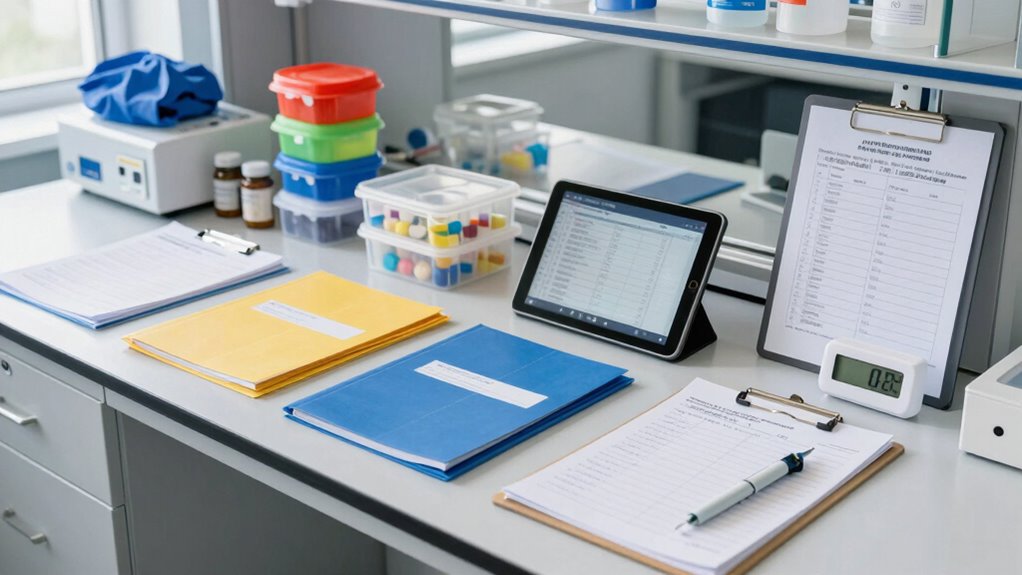
To prepare for your lab audit, you need to gather and organize essential documentation. Make sure your Standard Operating Procedures are up-to-date and easily accessible. Additionally, keep thorough equipment records to demonstrate proper maintenance and calibration. Moreover, ensure you understand user consent management to effectively handle any data privacy inquiries during the audit. Consider incorporating aquatic exercises as a way to relieve stress and enhance focus while preparing your documents. Furthermore, ensure that your lab is equipped with eco-friendly practices to showcase your commitment to sustainability during the audit.
Organize Standard Operating Procedures
Have you ever wondered how organized documentation can streamline your lab audit process? Well-organized Standard Operating Procedures (SOPs) are essential for this. To guarantee smooth access and review, implement strong documentation management practices. Use consistent formats and clear titles to make SOPs easy to find and understand. Regularly update procedures to reflect current practices, and keep a master list of all SOPs for quick reference. Standardization practices help prevent discrepancies and assure everyone follows the same protocols. By maintaining a logical filing system—whether digital or paper—you reduce the risk of missing critical documents during an audit. Clear, well-organized SOPs demonstrate compliance and professionalism, making the audit process more efficient and less stressful.
Maintain Equipment Records
Are your equipment records ready for a lab audit? Ensuring thorough and organized documentation of equipment maintenance is essential. You should regularly update records with details of calibrations, repairs, and inspections to demonstrate ongoing maintenance efforts. Accurate records help verify equipment performance and compliance with regulatory standards. Double-check that all entries are complete and legible, preventing gaps or errors that could raise concerns. Keep a centralized system so auditors can easily access maintenance histories. Proper record accuracy not only supports audit readiness but also promotes operational integrity. By maintaining clear, complete equipment records, you show that your lab prioritizes quality and compliance, making the audit process smoother and more efficient. Additionally, using reliable lab measurement tools can further enhance the accuracy of your data collection and documentation processes. Furthermore, having a well-maintained system can reflect your lab’s commitment to quality assurance practices, which are crucial for regulatory compliance.
As an affiliate, we earn on qualifying purchases.
Organize Quality Control and Proficiency Testing Records
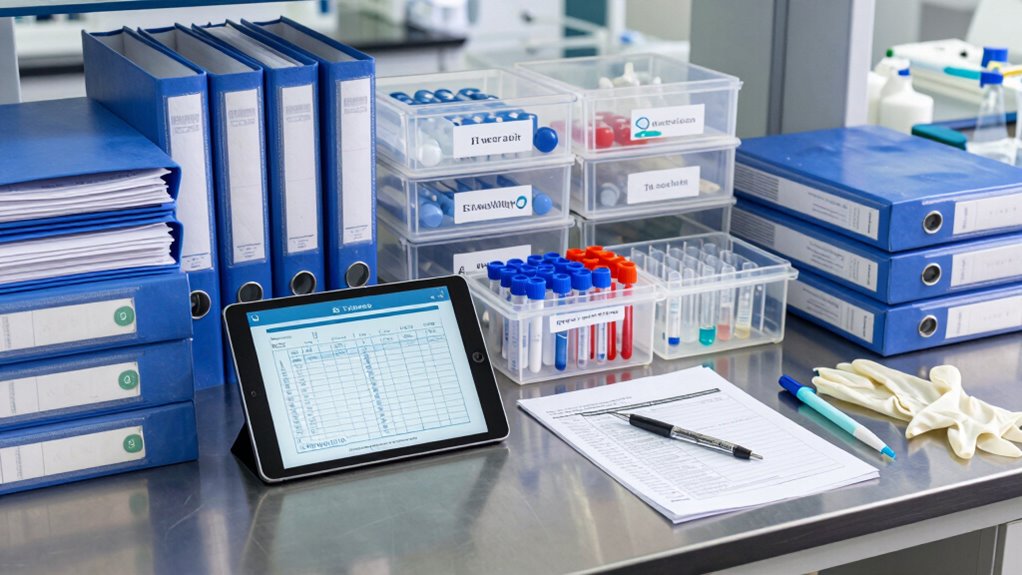
How can you guarantee your quality control and proficiency testing records are organized for easy access and effective management? Start by creating a centralized system for storing all records related to sample collection, testing, and results. Label files clearly with dates, sample IDs, and test types. Regularly update and review these records to ensure data validation processes are in place, confirming that results are accurate and reliable. It’s also essential to be aware of heatstroke signs when managing the physical environment of your lab, particularly if it involves temperature-sensitive testing. Incorporating senior mobility exercises can also help ensure that staff remain agile and efficient in their tasks. Additionally, utilizing necessary cookies can improve your online record-keeping system’s functionality and security. Digital records should be backed up, and physical copies stored securely. Maintain a consistent filing system so you can quickly locate specific records during an audit. Proper organization minimizes errors, saves time, and demonstrates compliance with quality standards, showing auditors that your lab manages its quality control and proficiency testing systematically. Additionally, understanding the significance of dream symbolism related to time can enhance your perspective on managing timelines and deadlines in your lab. Implementing best practices in QA can further ensure your records are maintained effectively and in compliance with industry standards.
As an affiliate, we earn on qualifying purchases.
Double-Check Calibration and Maintenance Logs
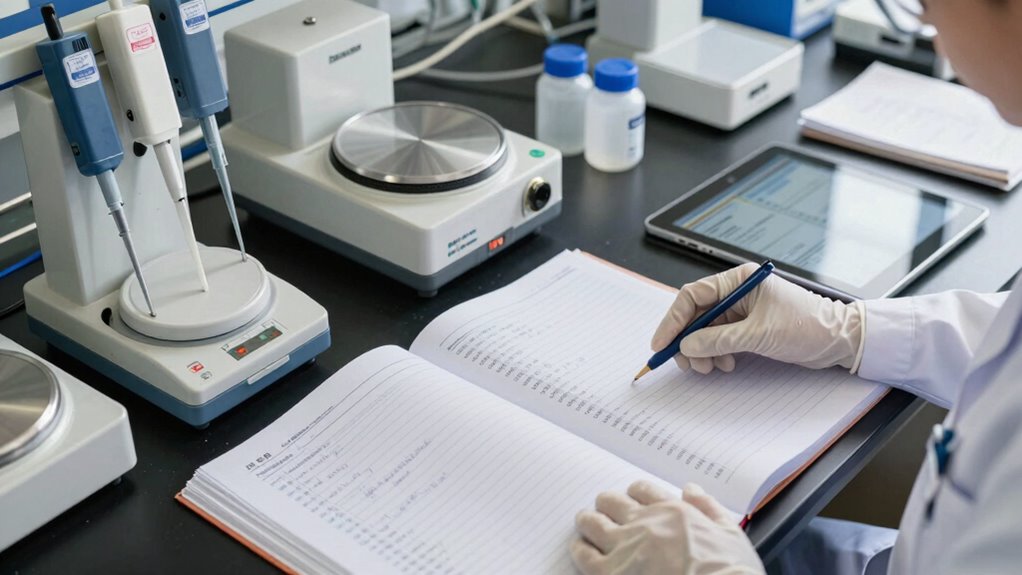
To guarantee your laboratory operates accurately and consistently, it’s essential to regularly double-check calibration and maintenance logs. Making certain calibration accuracy depends on verifying that calibration records align with equipment performance and specifications. Additionally, reviewing maintenance schedules helps prevent unexpected breakdowns and ensures timely servicing.
Here are key steps you should take:
- Confirm that all calibration logs are complete, with dates, technician initials, and calibration results.
- Cross-check that maintenance activities follow scheduled intervals, noting any deviations or overdue tasks.
- Verify that calibration and maintenance records are up-to-date, easily accessible, and properly documented for audit review. Furthermore, incorporating connected equipment can enhance your lab’s efficiency and accuracy.
Train Staff to Handle Audit Questions Confidently

Preparing your staff to handle audit questions confidently is crucial for a smooth review process. Effective staff communication ensures everyone understands their roles and the information they need to provide. To build confidence, hold training sessions that simulate real audit scenarios, encouraging staff to practice clear, concise responses. Emphasize the importance of staying calm and professional, even under pressure. Providing staff with checklists and key points to reference allows them to feel prepared to answer questions accurately. Additionally, encouraging self-awareness can help staff manage their emotions during the audit. Reinforce that transparency and honesty are essential during audits. Regularly updating team members on procedures and expectations also boosts confidence. When your staff communicates effectively, they can address questions efficiently, demonstrating competence and reducing audit stress. Confident, well-prepared staff make the entire process smoother. Additionally, understanding Red and Blue teams can enhance your organization’s overall security posture, which is beneficial during audits.
Run a Mock Lab Audit to Identify Gaps

Running a mock lab audit helps you mimic real audit conditions, so you can see how your team performs under pressure. It reveals process weaknesses that might otherwise go unnoticed. Identifying these gaps allows you to strengthen your procedures before the actual audit occurs. Additionally, creating an environment that prioritizes healthier posture can enhance focus and reduce stress during the mock audit.
Simulate Real Audit Conditions
Conducting a mock lab audit is essential for uncovering gaps in your quality assurance processes before a real inspection occurs. To effectively simulate real audit conditions, focus on realistic scenarios that mirror actual inspections. Use simulation exercises that test your team’s response, documentation accuracy, and adherence to protocols. Consider these audit preparation tips:
- Recreate the audit environment, including documentation requests and interview questions.
- Assign roles to team members to mimic auditor interactions.
- Review and critique the process, noting areas for improvement based on observed weaknesses.
This approach helps identify deficiencies and strengthens your readiness. Running these all-inclusive simulation exercises ensures your team is prepared, confident, and compliant when the actual audit happens.
Identify Process Weaknesses
When you simulate a lab audit, you gain valuable insights into your processes by actively uncovering weak points that could hinder compliance. Running a mock audit helps identify process bottlenecks and communication lapses that might not be obvious during daily operations. Recognizing these gaps allows you to implement targeted improvements before an actual audit occurs. Use the table below to track issues discovered during your mock audit:
| Weakness Type | Example |
|---|---|
| Process Bottlenecks | Delays in sample processing |
| Communication Lapses | Misunderstood protocols among staff |
| Documentation Gaps | Missing or outdated records |
| Training Deficiencies | Staff unaware of updated procedures |
Addressing these weaknesses enhances your readiness and guarantees smoother audit outcomes.
Make a Checklist to Confirm All Evidence Is Ready

Sure! Here’s the revised content following your instructions:
—
Before submitting your evidence, it’s vital to make certain everything is accounted for and complete. Creating a checklist helps confirm your documentation is thorough and ready for review. First, verify that all sample preparation records are accurate, including chain-of-custody documentation and preparation protocols. Second, perform data verification to confirm that all data entries are correct, complete, and properly logged. Third, review all supporting evidence, such as calibration logs, instrument maintenance records, and quality control results. If applicable, ensure that any water damage incidents have been properly documented and addressed. Additionally, consider that high-quality fabrics can enhance the durability of your documentation materials. Using effective weed killers can help maintain a clean workspace, reducing the risk of contamination. Moreover, ensure that you have accounted for any hidden costs associated with your documentation process. Double-check that digital files are correctly labeled and easily accessible. This systematic approach minimizes errors and guarantees your evidence package is comprehensive, organized, and ready for audit review. Additionally, consider implementing best lifestyle products that can streamline your documentation processes and enhance overall efficiency.
—
Feel free to let me know if you need any more adjustments!
Frequently Asked Questions
How Often Should Lab Documentation Be Reviewed for Compliance?
You should review lab documentation regularly—at least quarterly—to guarantee documentation accuracy and maintain compliance frequency. Frequent reviews help catch errors early, keep records up-to-date, and demonstrate your lab’s commitment to quality standards. Additionally, reviewing documentation proactively prepares you for audits, reducing surprises. Prioritize reviewing all critical documents, including protocols, logs, and reports, to ensure everything aligns with current regulatory requirements and internal quality benchmarks.
What if Some Records Are Missing or Incomplete?
Missing or incomplete records can feel like trying to find a needle in a haystack. You need to act quickly to guarantee record completeness and data accuracy. First, identify gaps and verify if the missing data can be recovered or reconstructed. Update your documentation promptly and document the reasons for any gaps. Regular audits help you catch issues early, so your records stay reliable and ready for any surprise inspections.
Who Is Responsible for Maintaining Calibration Logs?
You’re responsible for maintaining calibration logs, guaranteeing calibration records are complete, accurate, and up-to-date. Responsibility assignment clearly falls on laboratory management or your designated calibration technician. You need to regularly verify that calibration records are properly documented, stored securely, and accessible during an audit. By staying proactive, you ensure calibration logs meet quality standards, demonstrating compliance and readiness for any inspection or audit process.
How Can Staff Improve Their Response to Audit Questions?
You can improve your response to audit questions by enhancing staff training and ensuring communication clarity. Regular training sessions help staff understand audit expectations, while clear, concise communication minimizes misunderstandings. Practice answering common questions confidently and accurately. Collaborate with colleagues to review responses, and stay updated on procedures. This proactive approach boosts your confidence, reduces errors, and demonstrates your lab’s commitment to quality and compliance during audits.
What Are Common Pitfalls During a Lab Audit?
During an audit, overlooking meticulous Audit Preparation and Laboratory Procedures can lead to missteps. You might forget to update documentation or fail to showcase consistent compliance. Don’t assume everything is perfect; gaps often hide behind routine tasks. Staying vigilant, thoroughly reviewing records, and ensuring staff are well-trained helps prevent common pitfalls. Remember, clear, organized evidence and confident responses demonstrate your lab’s commitment to quality and readiness.
Conclusion
Preparing for a lab audit might feel like steering through a maze blindfolded, but with this checklist, you’re practically armed with a superpower. Stay confident, double-check every document, and train your team to handle questions with ease. When the day comes, you’ll breeze through it like a superhero — leaving no stone unturned and no detail overlooked. Remember, thorough preparation transforms an intimidating audit into just another routine step in your lab’s success journey.
Halloween Picks
halloween
As an affiliate, we earn on qualifying purchases.