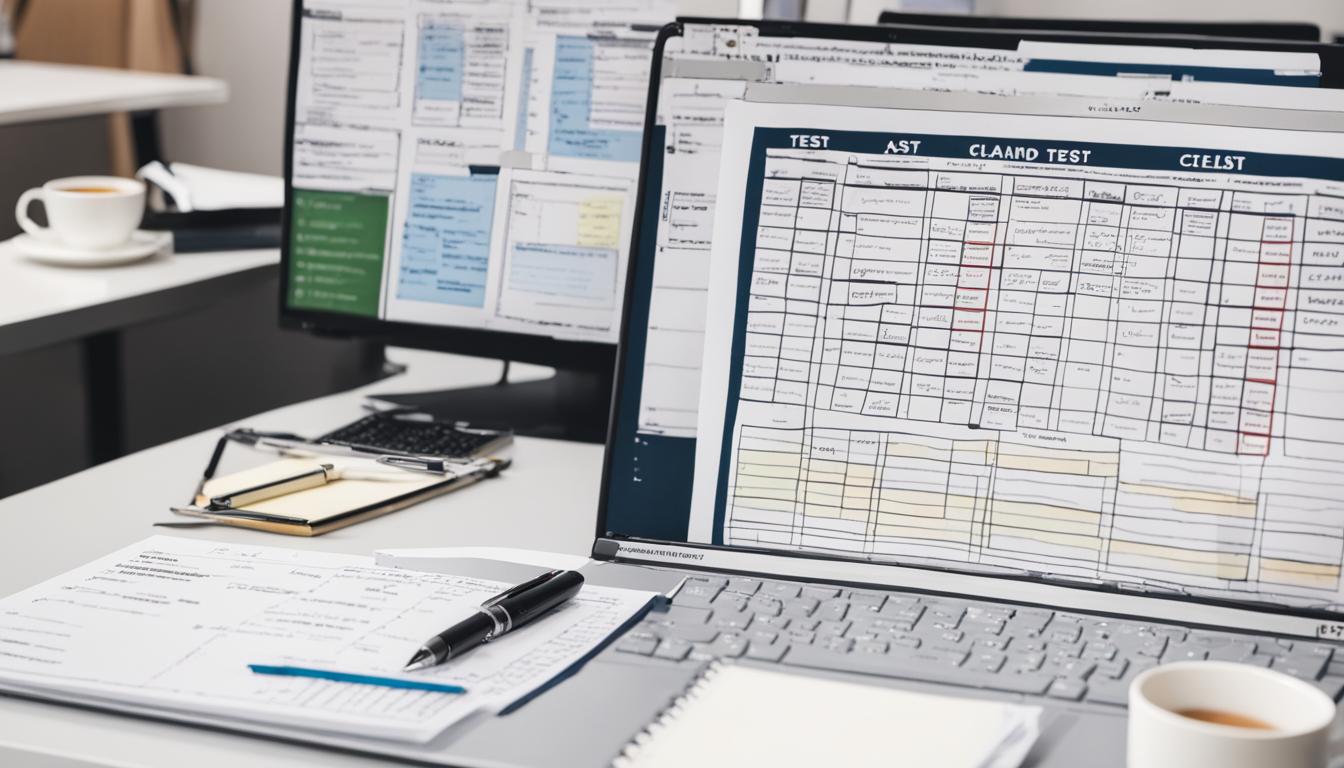
Exploratory testing involves actively exploring your application without following strict scripts. You design and execute tests on the fly, using your intuition and curiosity to identify issues. Focus on investigating different features, making real-time decisions about what to test next. This approach helps you find bugs that scripted tests might miss and increases your understanding of the system. To learn more about effective techniques, keep exploring the details ahead.
Key Takeaways
- Engage actively with the application, exploring features freely without relying on predefined test scripts.
- Use session charters or checklists to guide your testing focus while allowing flexibility.
- Document your observations, issues, and test outcomes in real-time to ensure traceability.
- Leverage automation tools for repetitive tasks and capturing logs, freeing time for exploratory analysis.
- Adapt your testing approach based on findings, prioritizing areas that reveal bugs or unexpected behaviors.

Exploratory testing is a hands-on approach that allows you to uncover issues more effectively by simultaneously designing and executing tests. Instead of following a rigid script, you explore the application freely, making real-time decisions about what to test next based on your observations. This method encourages curiosity and critical thinking, enabling you to find bugs that scripted tests might miss. To maximize efficiency, you can leverage automation tools alongside your exploratory efforts. Automation tools help you quickly perform repetitive tasks, such as inputting data or verifying output, freeing you up to focus on more complex, intuitive testing activities. These tools can also assist in capturing test results and logging defects, which streamlines your testing documentation process.
When conducting exploratory testing, maintaining clear testing documentation is essential. While you don’t operate from a predefined script, it’s important to record your testing sessions, observations, and any issues encountered. Good testing documentation ensures you have a record of what has been tested, how it was tested, and the outcomes, making it easier to reproduce bugs and verify fixes later. It also helps communicate findings to your team and provides traceability for quality assurance purposes. You might use session charters or checklists as lightweight guides to focus your exploration without constraining your creativity. These tools serve as a framework, helping you cover critical areas while leaving room for spontaneous investigation. Incorporating structured documentation can further enhance the clarity and reproducibility of your testing efforts.
Balancing exploration with documentation can be challenging, but automation tools can assist here too. For example, screen recording or capturing logs automatically during testing sessions can provide detailed evidence of your activities without interrupting your flow. Additionally, many testing tools integrate with test management platforms, allowing you to document issues directly as you uncover them. This integration reduces the risk of losing crucial information and keeps your testing process transparent and organized.

LG 34WR55QK-B 34-inch UltraWide WQHD (3440 x 1440) Curved Computer Monitor, 100Hz, 5ms, HDR10, Reader Mode, HDMI, DisplayPort, USB Type-C, Tilt/Height Adjustable Stand, Black
21:9 UltraWide - The 21:9 UltraWide WQHD (3440 x 1440) monitor is great for work. The widescreen allows...
As an affiliate, we earn on qualifying purchases.
Frequently Asked Questions
How Do I Document Exploratory Testing Results Effectively?
You document exploratory testing results effectively by maintaining detailed session documentation, noting what you tested, your observations, and insights. Use clear, concise notes to capture steps taken and any issues found. When you identify defects, report them promptly with precise descriptions, reproduction steps, and screenshots if possible. Regularly summarize key findings and patterns to guarantee your testing results are thorough, actionable, and easy for others to review and follow up on.
What Skills Are Essential for Successful Exploratory Testing?
To succeed in exploratory testing, you need strong test session management skills and a proactive tester mindset. Stay organized by planning and tracking your test sessions, and adapt quickly to new insights. Cultivate curiosity, critical thinking, and attention to detail, allowing you to uncover issues others might miss. By managing your sessions effectively and maintaining a curious mindset, you’ll identify more defects and improve overall product quality.
How Do I Prioritize Test Charters in Exploratory Testing?
You should prioritize test charters by focusing on risk areas, critical functionalities, and recent changes during your test session planning. Select charters that target high-impact features first, ensuring maximum coverage for potential issues. Consider the application’s most vulnerable parts, user workflows, and complex scenarios. This strategic charter selection helps you uncover critical defects early and makes your exploratory testing more efficient and effective.
Can Exploratory Testing Be Integrated With Automated Testing?
Yes, you can integrate exploratory testing with automated testing through effective test management. By using exploratory techniques alongside automation, you explore uncharted areas that scripts might miss, enhancing coverage. Automated tests handle repetitive checks, freeing you to focus on exploring new features or potential issues. Combining both approaches ensures thorough testing, leveraging automation for efficiency and exploratory methods for insight, ultimately boosting your software’s quality and robustness.
What Challenges Might I Face During Exploratory Testing?
During exploratory testing, you might face challenges in defining the test scope, which can lead to missed areas or redundant testing. Relying on your tester intuition is vital but may result in inconsistency or bias. Additionally, documenting your findings and ensuring exhaustive coverage can be difficult without a scripted approach. To overcome these, stay organized, adapt your testing based on insights, and review your scope regularly to maintain thoroughness.

LG 40U990A-W 40-inch Ultrafine evo 5K2K WUHD (5120 x 2160) Nano IPS Curved Monitor, Thunderbolt 5, DisplayHDR 600, Built-in Speaker, 120Hz, HDMI 2.1, DP 2.1, USB C, Tilt/Height/Swivel Stand, White
The World’s First 5K2K Monitor with Thunderbolt 5 - The LG UltraFine evo 40U990A is the world’s first...
As an affiliate, we earn on qualifying purchases.
Conclusion
As you delve into exploratory testing, remember you’re like a detective uncovering hidden bugs without a script. Trust your instincts and curiosity to guide you through the software, revealing issues that structured tests might miss. Think of it as exploring a new city—each turn reveals surprises and insights. Embrace the unpredictability, and you’ll uncover the unseen flaws, making your testing more thorough and your product stronger. Your intuition is your best tool—trust it.

CRUA 49" White Curved Monitor | DQHD(5120 * 1440), 120Hz, 1500R, 32:9, AMD FreeSync, 120% sRGB, Height Adjustable Ultra-Wide Screen Computer Monitors, HDMI 2.1 & DP 1.4, Wall Mount Install
Immersive 49inch Ultra-Wide Monitor: The 49inch curved monitor with 1500R curvature and 32:9 ultra-wide ratio expands your field...
As an affiliate, we earn on qualifying purchases.

CRUA 49" Curved Gaming Monitor | DQHD(5120 * 1440), 144Hz/165Hz, 1500R, 32:9, AMD FreeSync, 120% sRGB, Height Adjustable Ultra-Wide Screen Monitors, HDMI 2.1 & DP 1.4, Wall Mount Install- Black
Immersive 49inch Ultra-Wide Curved Monitor: The 49-inch curved gaming monitor with 1500R curvature and 32:9 ultra-wide ratio expands...
As an affiliate, we earn on qualifying purchases.