
Black box testing focuses on evaluating software based on its external functionality, meaning you test inputs and observe outputs without looking at the internal code. White box testing, on the other hand, involves examining the internal code, logic, and security flaws. Both methods help identify issues, but they approach testing from different angles. If you want to understand how each method works and when to use them, you’ll find more useful insights ahead.
Key Takeaways
- Black box testing evaluates software based on inputs and outputs without examining internal code.
- White box testing analyzes internal code, logic, and security flaws for thorough coverage.
- Black box testing is ideal for validating user requirements and system behavior; white box focuses on code quality.
- Black box testing uses automation tools for efficiency; white box involves code coverage analysis and vulnerability assessment.
- Both testing types complement each other, ensuring comprehensive software quality and security.
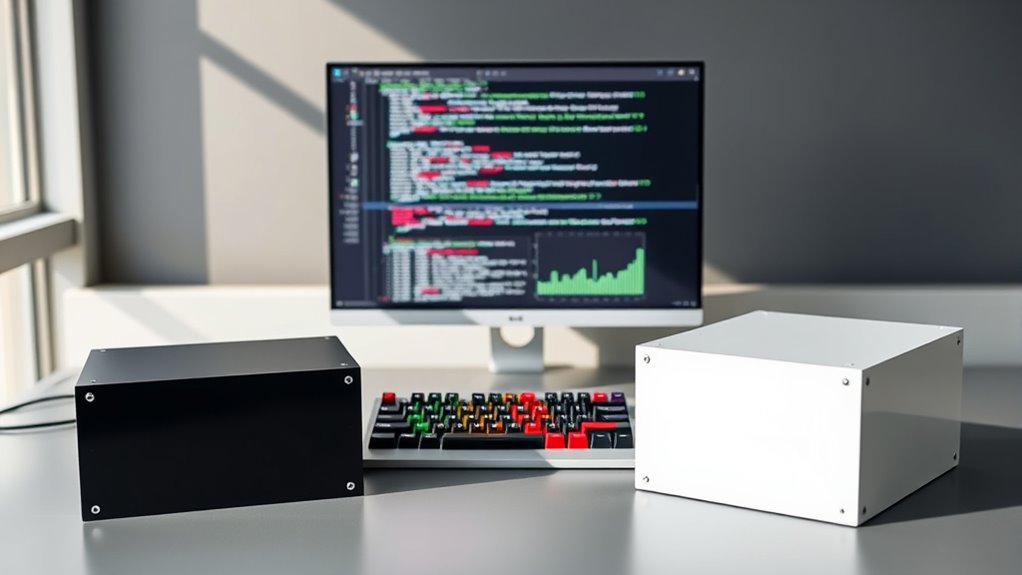
When it comes to software testing, understanding the differences between black box and white box testing is essential for guaranteeing quality. Both approaches play critical roles in identifying issues, but they do so in unique ways. Black box testing focuses on examining the software’s functionality without peering into its internal code. You test the application by providing inputs and observing the outputs, making it ideal for validating user requirements and overall system behavior. Because it emphasizes external behavior, black box testing is often linked with test automation tools, which can efficiently run large sets of test cases to verify that the software responds correctly under various scenarios. These automated tests help catch bugs early and guarantee that the software meets specified criteria, reducing manual effort and speeding up the testing process.
On the other hand, white box testing dives into the internal workings of the application. You, as a tester, analyze the code structure, logic, and algorithms to identify vulnerabilities or flaws. This approach requires a deep understanding of the source code, enabling you to perform thorough code coverage analysis and uncover hidden defects that might not surface through black box testing. White box testing is particularly useful for pinpointing issues related to code quality, such as security flaws or logical errors, which could compromise the application’s stability. Since white box testing involves scrutinizing the internal code, defect tracking becomes a critical component. You need to document and monitor issues uncovered during this process meticulously to facilitate efficient debugging and resolution. Additionally, understanding health benefits related to software security can be enhanced through white box testing, as it helps identify vulnerabilities that could potentially be exploited.

Software Test Automation
As an affiliate, we earn on qualifying purchases.
As an affiliate, we earn on qualifying purchases.
Frequently Asked Questions
How Do Black Box and White Box Testing Complement Each Other?
Black box and white box testing complement each other by enhancing overall test coverage and bug detection. While black box testing focuses on user experience and functional correctness without knowing internal code, white box testing digs into code structure to find hidden bugs. Together, they guarantee your software is thoroughly tested from both user and developer perspectives, catching more issues and delivering a more reliable product.
What Are the Common Tools Used for Each Testing Type?
Imagine you’re testing a banking app. For black box testing, you might use automation tools like Selenium or testing frameworks such as JUnit to validate user interactions without knowing internal code. For white box testing, you could rely on tools like code coverage analyzers or debuggers to examine internal logic. Both tools help identify issues, ensuring your app’s functionality and security are thoroughly checked from different perspectives.
Can Both Testing Methods Be Automated? if Yes, How?
Yes, both black box and white box testing can be automated. You can implement test automation to improve testing efficiency by using tools like Selenium, JUnit, or QTP for black box testing, and scripting languages like Python or Java for white box testing. Automation permits you to run repetitive tests quickly, catch bugs early, and guarantee consistent results, making your testing process more effective and less time-consuming.
How Do Testing Costs Compare Between Black Box and White Box?
Honestly, the cost comparison between black box and white box testing can feel like choosing between a fancy dinner and fast food—both have their price tags. White box testing often demands more resources and expertise, making it pricier. Black box testing usually costs less, focusing on user experience. So, if you’re budget-conscious, resource allocation favors black box testing, but complex projects might justify white box’s higher investment.
What Skills Are Necessary to Perform Each Testing Type Effectively?
To perform black box testing effectively, you need strong test planning skills, focusing on understanding user requirements and expected outcomes. For white box testing, you should possess skills in defect analysis, coding, and understanding the internal structure of the application. Both require critical thinking and attention to detail. Developing these skills allows you to identify issues efficiently and guarantee thorough test coverage in each testing type.

Black-Box Testing: Techniques for Functional Testing of Software and Systems
As an affiliate, we earn on qualifying purchases.
As an affiliate, we earn on qualifying purchases.
Conclusion
Ultimately, understanding the subtle differences between black box and white box testing helps you make more informed choices in your testing approach. While each method offers unique insights, blending them can provide a more all-encompassing view of your system’s health. Embracing both techniques allows you to navigate potential challenges with greater confidence, ensuring your software’s robustness. By thoughtfully applying these testing strategies, you set the stage for a smoother, more reliable development journey.
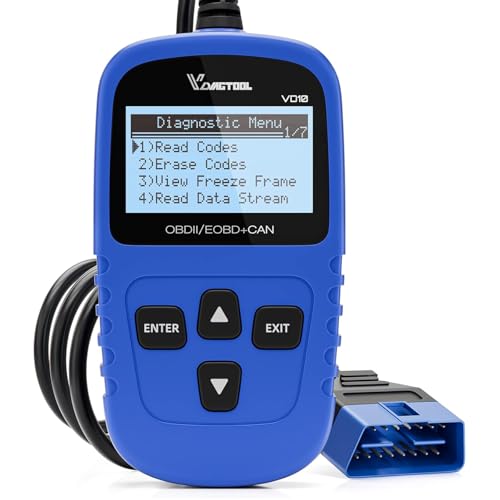
VDIAGTOOL VD10 OBD2 Scanner Code Reader Car Diagnostic Tool Engine Fault Code Reader for Turn Off CEL with Freeze Frame/I/M Readiness for All OBDII Protocol Cars, OBD2 Scanner Diagnostic Tool
【A MUST-HAVE TOOL FOR DIYERS】 – VDIAGTOOL VD10 car code reader is an incredibly useful obd scanner for…
As an affiliate, we earn on qualifying purchases.
As an affiliate, we earn on qualifying purchases.

Kali Linux Bootable USB Flash Drive for PC – Cybersecurity & Ethical Hacking Operating System – Run Live or Install (amd64 + arm64) Full Penetration Testing Toolkit with 600+ Security Tools
Dual USB-A & USB-C Bootable Drive – works on almost any desktop or laptop (Legacy BIOS & UEFI)….
As an affiliate, we earn on qualifying purchases.
As an affiliate, we earn on qualifying purchases.