
TL;DR

Get business pricing on monitors, keyboards and dev gear
- Business-only prices and quantity discounts
- Tax-exempt purchasing
- Multiple users, one account, clear invoices
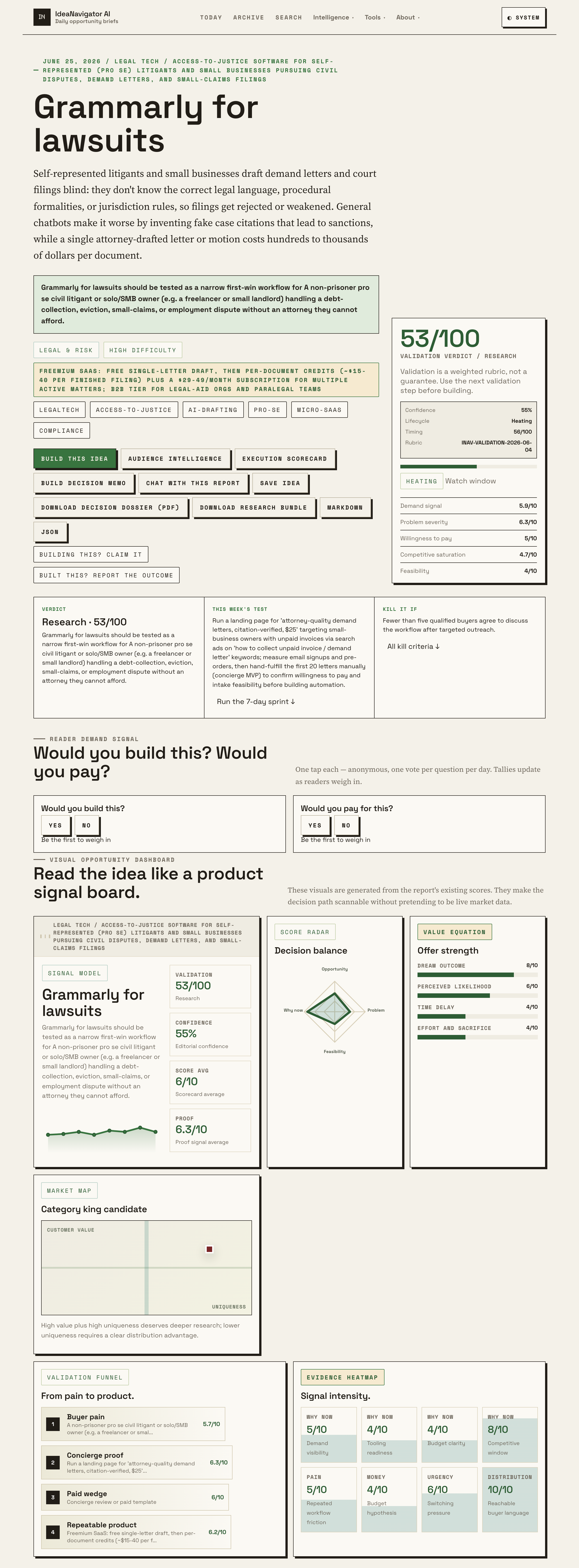
A new AI-based platform is being developed to help non-lawyers draft legally accurate demand letters and court filings. It verifies citations and ensures proper formatting, addressing a critical gap for self-represented litigants and small businesses. The tool aims to improve access to justice and reduce costly errors in civil disputes.
A new AI-powered tool is being developed to assist self-represented litigants and small businesses in drafting court-ready legal documents, addressing a long-standing challenge in civil justice. The platform aims to verify citations, ensure proper formatting, and reduce errors in demand letters and small-claims filings, potentially transforming access to legal processes for those who cannot afford attorneys.
The project focuses on creating a web application tailored for non-lawyer users handling debt collection, eviction notices, or employment disputes without legal representation. Users will input case details through a structured form, and the app will generate court-compliant demand letters or filings. It will also run a ‘lawsuit Grammarly’ check, flagging weak or missing legal elements and verifying cited statutes and case law against a real legal database. This process aims to prevent hallucinated citations that have been problematic in recent AI-driven legal tools.
According to developers, the platform will operate on a freemium model, offering free initial drafts and charging approximately $15-40 per completed document. A subscription option for multiple matters and a B2B tier for legal aid organizations are also planned. The goal is to provide an affordable, reliable alternative to costly attorney services, especially for small businesses and individuals pursuing civil claims.
Given that roughly 60% of civil cases in the U.S. now involve self-represented parties, and with 27% of federal civil cases historically handled pro se, the demand for such tools is urgent. Current AI chatbots often produce hallucinated citations, leading to sanctions or case rejection. The new platform seeks to address these issues by integrating citation verification and formal formatting from the outset, reducing the risk of errors that could jeopardize cases.
Impact on Access to Justice for Small-Scale Litigants
This development could significantly improve the ability of unrepresented litigants and small businesses to navigate civil court processes effectively. By providing attorney-quality drafting assistance, the platform aims to reduce legal costs, prevent procedural errors, and minimize sanctions due to citation mistakes. If successful, it could democratize access to justice, especially for those who cannot afford legal counsel, and reduce the burden on courts overwhelmed by pro se filings.
legal document drafting software for small claims
As an affiliate, we earn on qualifying purchases.
As an affiliate, we earn on qualifying purchases.
Growing Need for Reliable Legal Drafting Tools
Over the past decade, the number of civil cases involving self-represented litigants has increased substantially, driven by rising legal costs and limited access to affordable legal services. Current AI tools, such as general chatbots, have been criticized for hallucinating citations and providing unreliable legal advice, leading to sanctions or case dismissals. In response, legal tech developers are focusing on creating specialized applications that incorporate verification layers and formal court formatting to address these shortcomings. The initiative aligns with broader efforts to improve access to justice and streamline legal workflows for non-professionals.
“The key challenge has been ensuring AI-generated legal documents are both accurate and compliant with court standards. Citation verification is critical to avoid sanctions and case rejection.”
— an anonymous researcher
AI legal citation verification tool
As an affiliate, we earn on qualifying purchases.
As an affiliate, we earn on qualifying purchases.
Unanswered Questions About Implementation and Effectiveness
It is not yet clear how well the verification features will perform in real-world testing or whether the platform will fully prevent citation hallucinations. The timeline for public availability and the scope of features in initial releases remain uncertain. Additionally, the extent to which courts will accept documents generated by AI tools with integrated verification is still to be seen, as legal acceptance standards evolve.
court-ready legal document templates
As an affiliate, we earn on qualifying purchases.
As an affiliate, we earn on qualifying purchases.
Next Steps for Development and Testing Phases
Developers plan to launch a pilot program in late 2024, offering a limited number of users access to the platform for testing and feedback. They will measure user satisfaction, accuracy of generated documents, and citation verification performance. Based on initial results, further refinements will be made before broader rollout. The project also aims to establish partnerships with legal aid organizations and small business networks to validate market demand and usability.
self-represented litigant legal aid tools
As an affiliate, we earn on qualifying purchases.
As an affiliate, we earn on qualifying purchases.
Key Questions
Will this tool replace attorneys for civil disputes?
No, the platform is designed to assist self-represented litigants and small businesses, not replace professional legal services. It aims to improve drafting accuracy and reduce costs.
How does the citation verification work?
The platform cross-checks all cited statutes and case law against a real legal database to prevent hallucinated or incorrect citations, ensuring compliance with legal standards.
When will the platform be available for public use?
A pilot phase is planned for late 2024, with broader availability expected after initial testing and refinements.
Will courts accept documents generated by this AI tool?
Acceptance depends on court standards, but the platform aims to produce court-formatted, e-sign-ready documents that meet procedural requirements, increasing the likelihood of acceptance.
What types of disputes will the tool support?
Initially, the focus is on small-claims, debt collection, eviction notices, and employment disputes involving small businesses and individual litigants.
Source: IdeaNavigator AI
Fall Picks
fall essentials
As an affiliate, we earn on qualifying purchases.