
TL;DR

Get business pricing on monitors, keyboards and dev gear
- Business-only prices and quantity discounts
- Tax-exempt purchasing
- Multiple users, one account, clear invoices
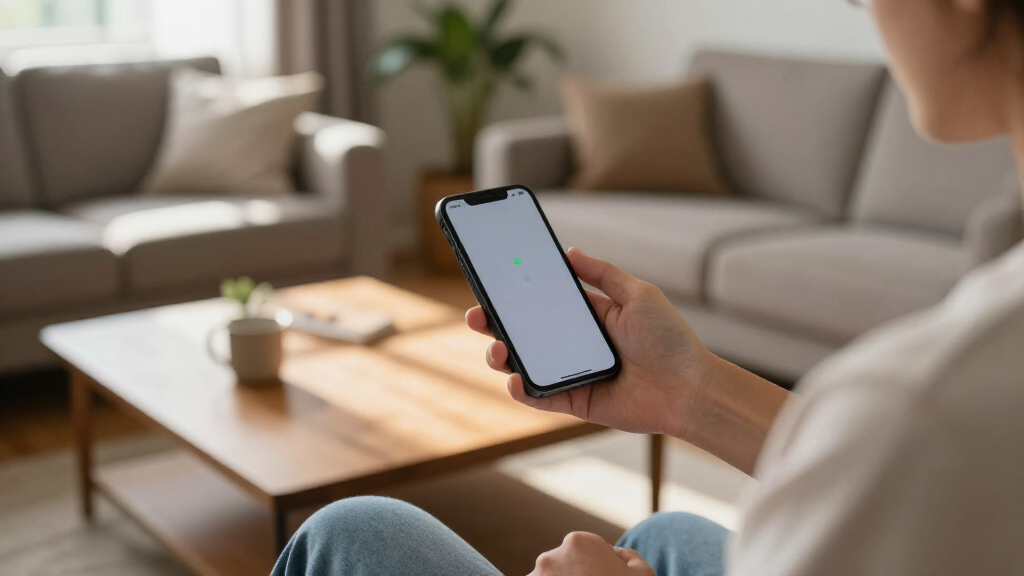
A new smartphone feature uses LED lights combined with AI to detect hidden cameras. This development could enhance privacy but is still in early stages of deployment and validation.
A new feature in some smartphones employs LED lights combined with artificial intelligence to detect hidden cameras. This innovation aims to improve user privacy by helping identify covert surveillance devices, though it is not yet confirmed how widely it will be adopted or its effectiveness.
The technology, which is still in early development or pilot stages, uses the phone’s LED flash to illuminate surfaces while AI algorithms analyze reflections or light patterns indicative of camera lenses. According to unconfirmed reports, this method could help users spot hidden cameras in hotel rooms, Airbnbs, or private spaces where covert surveillance is a concern.
Experts suggest that the system relies on the fact that camera lenses typically reflect light differently than other surfaces, allowing the AI to identify suspicious reflections. However, the exact technical implementation, accuracy rate, and whether it can detect all types of hidden cameras remain unverified.
While the feature has garnered attention in tech circles and among privacy advocates, it is not yet clear whether major manufacturers plan to include it in mainstream devices or if it will be available as a standalone app or accessory. The development appears to be driven by rising privacy concerns and increased public interest in personal security against covert surveillance.
Potential Impact on Personal Privacy and Security
This innovation could represent a significant step forward in personal privacy protection, providing everyday users with a tool to detect hidden surveillance devices without specialized equipment. If proven effective and widely adopted, it may discourage covert spying and give individuals more control over their privacy in hotels, Airbnbs, or private offices.
However, privacy experts warn that the technology’s effectiveness and limitations need thorough validation. False positives or missed detections could undermine trust, and there are concerns about misuse or false claims of surveillance detection. The development underscores the growing intersection of consumer tech and privacy rights, highlighting both opportunities and challenges in surveillance detection.
As an affiliate, we earn on qualifying purchases.
Interest in detecting hidden cameras has surged amid concerns over personal privacy in shared accommodations, workplaces, and public spaces. Several apps and devices have emerged claiming to identify covert surveillance, but their reliability varies. The recent trend in integrating AI with smartphone hardware aims to make detection more accessible and reliable.
While the idea of using smartphone LEDs for this purpose is not new, combining it with AI represents a novel approach. The development comes amid increased media coverage of privacy breaches and spy camera incidents, fueling consumer demand for easy-to-use detection tools. However, details about the technology’s validation and real-world performance remain scarce, and experts urge caution until more data is available.
As an affiliate, we earn on qualifying purchases.
Unverified Effectiveness and Deployment Status
It is not yet confirmed how accurate or reliable the LED-AI detection method is, nor whether major manufacturers will integrate it into mainstream devices. Details about testing, validation, and real-world performance are still emerging, and the technology remains in early stages.
As an affiliate, we earn on qualifying purchases.
Further Testing and Industry Adoption Prospects
Researchers and developers are expected to conduct controlled tests to assess the technology’s accuracy. If successful, manufacturers may consider integrating it into future smartphone models or releasing dedicated apps. Monitoring industry response and user feedback will be key to understanding its potential impact.
As an affiliate, we earn on qualifying purchases.
Key Questions
How does the LED detection technology work?
The technology uses the smartphone’s LED flash to illuminate surfaces, while AI algorithms analyze reflections that may indicate the presence of camera lenses, which often reflect light differently than other objects.
Is this technology currently available on smartphones?
As of now, it remains in early development or pilot testing stages. There are no confirmed mainstream devices featuring this capability, but interest is growing among tech companies and privacy advocates.
Can this method reliably detect all hidden cameras?
The effectiveness of LED-based AI detection is not yet confirmed. Experts stress that validation through rigorous testing is needed, and false positives or missed detections are possible.
What are the privacy implications of this technology?
If effective, it could empower users to protect their privacy more easily. However, there are concerns about misuse, false claims, and the need for regulation to prevent harassment or false surveillance accusations.
When might this technology become widely available?
Further testing and validation are required before industry adoption. If successful, it could appear in future smartphone releases within the next 1-2 years.
Source: hn
Fall Picks
fall essentials
As an affiliate, we earn on qualifying purchases.