
🔍 Read the full analysis: How Anthropic Is Integrating Claude With Actual Laboratory Equipment on ThorstenMeyerAI.com

Get business pricing on monitors, keyboards and dev gear
- Business-only prices and quantity discounts
- Tax-exempt purchasing
- Multiple users, one account, clear invoices
TL;DR
Anthropic is developing technology to have its Claude AI models control actual laboratory equipment, expanding from software interactions to physical experiments. Details are scarce, and the effort appears in early stages, but it signals a significant shift toward autonomous scientific workflows.
Anthropic is reportedly working to enable its Claude AI models to operate real laboratory equipment, according to a report from The Neuron. This development aims to extend Claude’s capabilities from virtual interactions to controlling physical instruments, marking a significant step toward autonomous scientific experimentation. While Anthropic has not officially confirmed these plans or provided detailed timelines, the move signals a strategic push into physical-world AI applications that could revolutionize laboratory workflows.
The core claim, as reported by The Neuron, is that Anthropic intends for Claude to actively control laboratory hardware, such as pipetting robots, measurement devices, and other scientific instruments. This would move Claude from assisting researchers via chat to executing experiments autonomously. The company has expanded Claude’s agentic capabilities over the past year, including functionalities that allow the model to navigate computer screens, click buttons, and operate software — a foundation that could support physical device control.
However, Anthropic has not released specific technical details, partner lists, or timelines for deployment. It remains unclear whether the effort involves internal prototypes, active collaborations with labs, or simply research signals through hiring and strategic directions. The report indicates an intent but does not confirm any operational systems or safety reviews related to physical experimentation, which involve inherent risks and safety considerations.
Potential Impact on Scientific Research and Automation
If successful, Anthropic’s move to integrate Claude with laboratory hardware could significantly accelerate scientific research by automating routine and complex experiments. AI-controlled labs could operate continuously, reduce human error, and make sophisticated protocols accessible to smaller or resource-limited facilities. This shift could also intensify competition among AI developers to dominate the emerging field of autonomous scientific laboratories, with broader implications for industry, academia, and safety standards.
Given Anthropic’s positioning as a safety-conscious AI developer, the development of physically autonomous lab systems raises important questions about safety, oversight, and reliability. The ability of AI to handle hazardous chemicals or sensitive procedures safely remains an open concern, making cautious progression and transparent validation crucial for public trust and regulatory compliance.
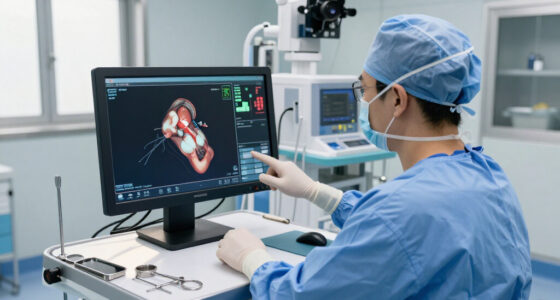
laboratory robotic pipetting system
As an affiliate, we earn on qualifying purchases.
As an affiliate, we earn on qualifying purchases.
From Software to Physical Lab Automation: Progress and Challenges
Over the past year, Anthropic has expanded Claude’s capabilities to include software interactions that mimic human actions, such as navigating screens and clicking buttons. This development aligns with broader trends in AI-driven laboratory automation, where large language models are layered onto robotic systems to interpret natural language commands into executable protocols. Companies and academic groups have demonstrated robot chemists and self-driving labs, but Anthropic’s focus on frontier AI distinguishes its approach.
Despite these advancements, no company has yet fully integrated large language models into the control of physical laboratory hardware at scale, especially with a focus on safety and reliability. The recent report suggests Anthropic is positioning itself to be among the first to do so, but concrete prototypes or partnerships have not been publicly disclosed. The transition from virtual to physical experimentation remains a complex challenge, involving hardware integration, safety validation, and regulatory considerations.
“Anthropic’s reported efforts to have Claude control lab equipment mark a significant step toward autonomous scientific systems, but the technical hurdles and safety implications are substantial.”
— Thorsten Meyer, AI researcher
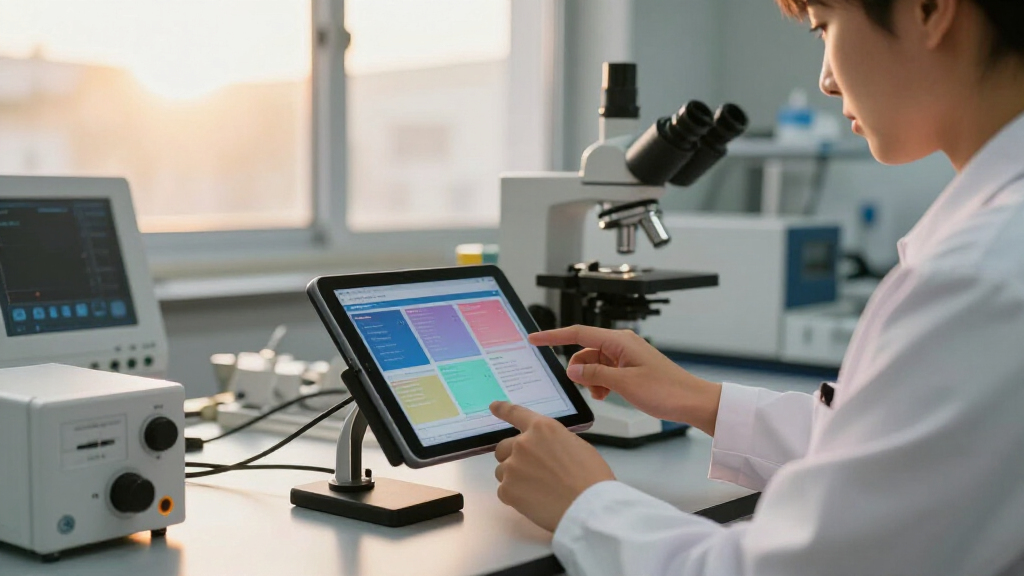
automated laboratory measurement devices
As an affiliate, we earn on qualifying purchases.
As an affiliate, we earn on qualifying purchases.
Unconfirmed Details and Development Status of Lab Control Efforts
It is not yet clear whether Anthropic has functioning prototypes, active partnerships, or is only at the research and hiring stage. The scope of instruments involved, the specific fields of application, and the timeline for any public deployment remain undisclosed. The company has not issued official statements confirming progress or safety assessments, leaving the current status uncertain.
AI-controlled scientific instruments
As an affiliate, we earn on qualifying purchases.
As an affiliate, we earn on qualifying purchases.
Expected Indicators of Progress and Confirmation
Future signals include official announcements from Anthropic, such as research papers, blog posts, or product launches detailing lab-control capabilities. Hiring patterns in robotics, lab automation, and scientific instrumentation could also provide clues. Partnerships with academic institutions or industry players would strongly suggest movement beyond early-stage research toward practical deployment. Monitoring these developments will clarify the company’s timeline and scope.
As an affiliate, we earn on qualifying purchases.
Key Questions
What specific laboratory instruments might Claude control?
While no details have been disclosed, potential instruments include pipetting robots, measurement devices, centrifuges, and other automated laboratory hardware used in chemical, biological, or physical experiments.
No, the company has not publicly announced partnerships or collaborations related to laboratory automation, making it unclear whether they are working with external vendors or developing internal prototypes.
When might we see a demonstration or deployment?
There is no official timeline. Progress will likely be indicated through future research publications, product announcements, or partnership disclosures from Anthropic.
What safety concerns are associated with AI-controlled lab equipment?
Safety concerns include the risk of mishandling hazardous chemicals, malfunctioning hardware, or unintended experimental outcomes. Ensuring robust safety protocols and oversight is critical before deploying autonomous AI systems in physical labs.
How does this development compare to other AI efforts in scientific automation?
While other companies and academic groups have demonstrated robotic chemists and self-driving labs, Anthropic’s focus on large language models and safety-conscious development could position it uniquely in the emerging field of AI-controlled scientific hardware.
Primary source: Anthropic · via ThorstenMeyerAI.com
Fall Picks
fall essentials
As an affiliate, we earn on qualifying purchases.