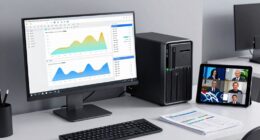

Intelligent test analytics helps you turn data into actionable insights, boosting your QA efforts. By automating tests and analyzing real-time data, you can quickly identify bottlenecks, recurring defects, and coverage gaps. This approach allows you to prioritize fixes effectively, optimize testing resources, and accelerate release cycles. Using data-driven insights, you can proactively address issues before they escalate. Keep exploring how these strategies can transform your QA process even further.
Key Takeaways
- Leverage automated test data to identify patterns, bottlenecks, and recurring defect causes for targeted QA improvements.
- Integrate real-time analytics to monitor software health and proactively address potential issues before release.
- Use defect trend analysis to prioritize fixes, optimize resource allocation, and enhance overall defect management.
- Focus testing efforts on high-impact areas by analyzing coverage gaps and repetitive defect patterns.
- Employ data-driven insights to streamline testing cycles, accelerate releases, and continuously enhance software quality.

Have you ever wondered how teams identify bottlenecks and improve their testing processes? It all comes down to leveraging data effectively. Test analytics provides insights that help you pinpoint where issues are happening and how to address them efficiently. One of the key tools in this process is test automation. By automating repetitive tests, you can gather consistent, real-time data on test execution, which reveals patterns and anomalies that manual testing might miss. Automated tests run faster and more frequently, giving you a continuous stream of information about your software’s health. When combined with robust defect management, this data becomes even more powerful. Defect management systems track issues from detection to resolution, allowing you to see where defects cluster and which parts of the application are most prone to bugs. By analyzing defect trends alongside test automation results, you can identify underlying causes of recurring issues and prioritize fixes more effectively. This integrated approach helps you optimize your testing efforts, reducing time wasted on redundant or ineffective tests. For example, if your analytics indicate that certain test cases frequently uncover the same defect, you can focus on fixing that core problem rather than repeatedly testing around it. You’re also empowered to recognize gaps in your test coverage and adjust your test suites accordingly, ensuring that critical paths are thoroughly validated. Additionally, the rise of mobile apps and various devices makes comprehensive test coverage even more essential for delivering reliable software. Over time, this leads to a more efficient testing cycle, shorter release times, and higher software quality. Additionally, test analytics allow you to measure the impact of your changes—seeing whether new code introduces fewer bugs or if your defect management process is catching issues early enough. Data-driven insights help you make informed decisions about where to allocate resources, whether that’s investing in more test automation for high-impact areas or refining your defect prioritization. This proactive approach reduces the risk of late-stage surprises and improves overall project predictability. As you continuously analyze test results and defect data, you develop a deeper understanding of your application’s behavior, enabling smarter testing strategies. You’ll be able to identify bottlenecks before they become critical, streamline your testing workflows, and ultimately deliver higher-quality software faster. By embracing test analytics, you shift from reactive troubleshooting to proactive quality assurance, ensuring that your testing processes evolve alongside your product. This way, you harness data to make meaningful improvements—saving time, reducing costs, and enhancing customer satisfaction. In summary, combining test automation with defect management through intelligent analytics transforms your QA efforts into a precise, data-driven operation that drives continuous improvement and delivers better software outcomes.

Hands-On Automated Testing with Playwright: Create fast, reliable, and scalable tests for modern web apps with Microsoft's automation framework
As an affiliate, we earn on qualifying purchases.
As an affiliate, we earn on qualifying purchases.
Frequently Asked Questions
How Can AI Improve Test Case Prioritization?
AI can improve test case prioritization by analyzing past test results and defect prediction data to create smarter test case ranking. It identifies high-risk areas, ensuring you focus on the most critical tests first. AI-driven tools adapt as new data comes in, helping you catch defects early and optimize your testing efforts, ultimately increasing efficiency and reducing time-to-market for your software releases.
What Are Common Challenges in Implementing Test Analytics?
You might face challenges like managing large volumes of test data, which can hinder accurate analysis. Ensuring data quality and consistency is vital but often difficult, affecting the reliability of quality metrics. Integrating new analytics tools into existing workflows can also be complex, requiring training and adjustments. Additionally, interpreting insights correctly demands expertise, making it essential to have skilled teams to leverage test data effectively.
How Do Analytics Impact Testing Team Decision-Making?
Imagine a lighthouse guiding your test strategy through foggy waters; analytics illuminate your decisions. You see patterns in defect tracking, helping you prioritize testing efforts and refine your approach. Data-driven insights empower you to make informed choices, reduce risks, and optimize resource allocation. Ultimately, analytics shape your testing team’s decision-making, steering projects toward higher quality outcomes with confidence and clarity.
What Tools Are Best for Real-Time Test Data Analysis?
You should consider tools like Grafana or Power BI for real-time test data analysis. These tools excel at test data visualization and creating test result dashboards, allowing you to monitor test progress instantly. They enable you to identify issues quickly, facilitate collaboration, and make data-driven decisions on the fly. With their intuitive interfaces and real-time updates, you can keep your testing process agile and responsive to any emerging problems.
How Can Analytics Predict Future Testing Bottlenecks?
You can forecast future testing bottlenecks by analyzing historical data to identify defect trend forecasting patterns. This helps you optimize your test cycle by pinpointing areas prone to delays. By continuously monitoring real-time analytics, you spot emerging issues early, allowing you to make data-driven adjustments. This proactive approach minimizes delays, improves efficiency, and ensures smoother test cycles, ultimately leading to higher-quality releases.

Agentic Analytics: When Your Data System Thinks, Acts, and Decides for Itself — Building the Next Generation of Autonomous Intelligence Pipelines for Enterprise
As an affiliate, we earn on qualifying purchases.
As an affiliate, we earn on qualifying purchases.
Conclusion
Think of test analytics as your GPS in the QA journey. Just like a GPS guides you around traffic jams, data-driven insights help you avoid recurring bugs and streamline your testing process. When I first adopted these tools, I saw a 30% decrease in bugs slipping through—like finally finding the open road after dead ends. Embrace intelligent analytics, and you’ll steer your QA efforts toward smoother, faster, and more confident software releases.

Warehouse Management and Inventory Control System
As an affiliate, we earn on qualifying purchases.
As an affiliate, we earn on qualifying purchases.

Avid Pro Tools Artist – Music Production Software – Perpetual License
This item is sold and shipped as a download card with printed instructions on how to download the…
As an affiliate, we earn on qualifying purchases.
As an affiliate, we earn on qualifying purchases.