

Fuzz testing helps you find security flaws by automatically feeding your software with random or unexpected inputs, exposing vulnerabilities that might be missed through manual testing. It identifies bugs and security weaknesses that could be exploited by malicious actors, making your software more secure. Combining fuzz testing with machine learning makes the process smarter and more efficient, refining input generation over time. Keep exploring to discover how these techniques can strengthen your software’s defenses even further.
Key Takeaways
- Fuzz testing involves feeding random or unexpected inputs into software to identify vulnerabilities and security flaws.
- It automates vulnerability detection by uncovering crashes or abnormal behaviors caused by malicious inputs.
- Integrating machine learning enhances fuzz testing’s effectiveness by guiding input generation and prioritizing critical bugs.
- Adaptive fuzz testing focuses on promising input patterns, increasing the likelihood of discovering hidden security flaws.
- Results from fuzz testing assist in bug triaging, suggesting fixes and enabling faster security threat mitigation.

Fuzz testing is a powerful technique used to identify vulnerabilities in software by automatically feeding it a wide variety of random or unexpected inputs. Its primary goal is to uncover bugs that could be exploited by malicious actors, and it’s especially effective when integrated with modern machine learning methods. By leveraging machine learning, fuzz testing can become smarter, adapting to the unique behaviors of your software and improving bug detection efficiency over time. This approach not only accelerates the bug detection process but also increases the likelihood of discovering obscure security flaws that conventional methods might miss.
When you implement fuzz testing with machine learning, you fundamentally turn your testing process into an intelligent system that continuously evolves. Early in the process, the system generates diverse inputs to explore different code paths. As it gathers data, machine learning algorithms identify which inputs cause crashes, hangs, or other abnormal behaviors. This feedback loop helps the system focus on more promising input patterns, making your bug detection efforts more precise and efficient. Over time, this adaptive approach can uncover subtle vulnerabilities that would be difficult to detect manually or with traditional fuzzing techniques. The combination of fuzz testing and machine learning empowers you to proactively identify and address security flaws before they can be exploited.
Moreover, integrating machine learning into fuzz testing streamlines the process of triaging and analyzing bugs. When a crash occurs, machine learning models can analyze the context, prioritize vulnerabilities based on severity, and even suggest potential fixes. This reduces the manual effort required to sift through large volumes of test data and accelerates your response time. As a result, your security team can focus more on remediating critical issues rather than spending excessive time on bug detection. Additionally, machine learning can help you better understand the nature of your software’s vulnerabilities, enabling more strategic security planning.
Furthermore, the use of fuzz testing in combination with data from high-profile cases like WWE Raw or popular entertainers can reveal hidden vulnerabilities in entertainment-related software or streaming platforms, illustrating the broad applicability of these techniques in diverse industries.

Plugable USB-C Triple Monitor Docking Station: 13-in-1 Laptop Dock with 100W Charging for Mac (DisplayLink Driver Required), Windows, Chrome, 3 HDMI, Gigabit Ethernet, SD, USB-C 20W, 4 USB - UD-ULTCDL
13-in-1 Laptop Docking Station: Expand your workspace with a powerful USB-C docking station featuring 13 essential ports. This...
As an affiliate, we earn on qualifying purchases.
Frequently Asked Questions
How Does Fuzz Testing Differ From Other Security Testing Methods?
You see, fuzz testing differs from other security methods by actively providing random or unexpected inputs to your application, aiming to uncover input validation flaws and crash points. Unlike static analysis, which examines code without execution, fuzz testing interacts with the running system, making it effective at revealing real-world vulnerabilities. This hands-on approach helps identify security flaws that static analysis might miss, especially related to input handling.
What Types of Software Are Best Suited for Fuzz Testing?
Imagine you’re testing a web browser’s rendering engine. Fuzz testing works best on software like browsers, network protocols, or file parsers. You might face automation challenges, but using specialized fuzz testing tools simplifies this process. These tools generate random inputs, helping you uncover security flaws. So, if your software processes complex data or handles user input, fuzz testing offers a powerful way to identify vulnerabilities efficiently.
Can Fuzz Testing Identify All Security Vulnerabilities?
Fuzz testing can’t identify all security vulnerabilities because it may produce false positives and often has limited test coverage. You might find some flaws, but others could go unnoticed, especially complex or subtle issues. To improve your security posture, combine fuzz testing with other techniques like static analysis and manual reviews. This way, you get a more thorough view, reducing the chances of missing critical vulnerabilities.
How Long Does a Typical Fuzz Testing Process Take?
The test duration for fuzz testing varies depending on the complexity of the target application and testing efficiency, but it typically ranges from a few hours to several days. More straightforward programs may be tested quickly, while complex systems require longer. To maximize effectiveness, you should optimize your fuzzing setup, prioritize critical areas, and monitor progress closely, ensuring you balance thoroughness with time constraints for best results.
What Are Common Challenges Faced During Fuzz Testing Implementation?
Imagine trying to find a needle in a haystack—that’s what implementing fuzz testing can feel like. Common challenges include limited test coverage, which leaves some flaws undiscovered, and false positives that waste your time chasing non-issues. You might also struggle with setting up effective input generation, balancing thoroughness with speed, and interpreting results accurately. These hurdles can slow progress but overcoming them enhances your security testing effectiveness.

Plugable 13-in-1 USB C Docking Station 4K Triple Monitor with 100W Power Delivery | USB C Dock for Windows, Mac, ChromeOS, Thunderbolt | Driver Required | 3X HDMI and 3X DisplayPort (UD-ULTC4K)
All in One USB C Docking Station with Power: This multi monitor docking station features 13 powerful ports...
As an affiliate, we earn on qualifying purchases.
Conclusion
Imagine your software as a fortress; fuzz testing is the relentless scout, throwing unpredictable stones to find hidden cracks before enemies do. By embracing this wild, random input, you turn potential vulnerabilities into open wounds, exposing weaknesses you never knew existed. Don’t wait for a breach to reveal your flaws—use fuzz testing as your vigilant guardian, constantly probing, discovering, and sealing gaps. It’s your shield against the chaos lurking in the shadows of code.
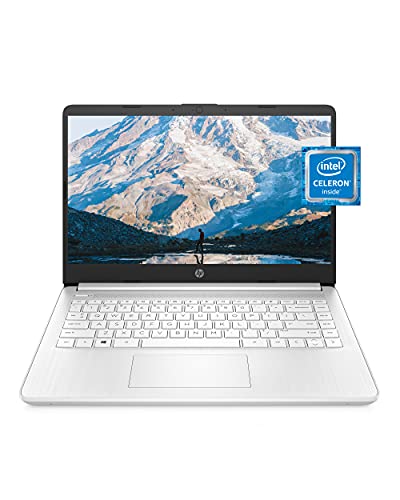
HP 14 Laptop, Intel Celeron N4020, 4 GB RAM, 64 GB Storage, 14-inch Micro-edge HD Display, Windows 11 Home, Thin & Portable, 4K Graphics, One Year of Microsoft 365 (14-dq0040nr, Snowflake White)
READY FOR ANYWHERE – With its thin and light design, 6.5 mm micro-edge bezel display, and 79% screen-to-body...
As an affiliate, we earn on qualifying purchases.

Google TV Streamer 4K - Fast Streaming Entertainment on Your TV with Voice Search Remote - Watch Movies, Shows, Live TV, and Netflix in 4K HDR - Smart Home Control - 32 GB of Storage - Hazel
The Google TV Streamer (4K) delivers your favorite entertainment quickly, easily, and personalized to you[1,2]
As an affiliate, we earn on qualifying purchases.