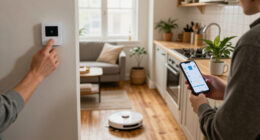
🔍 Read the full analysis: How To Choose AI-Powered Devices For A Connected Household on ThorstenMeyerAI.com

Get business pricing on monitors, keyboards and dev gear
- Business-only prices and quantity discounts
- Tax-exempt purchasing
- Multiple users, one account, clear invoices
TL;DR
A guide from ThorstenMeyerAI.com describes how beginners can choose and set up a small collection of AI-powered home devices, starting with compatibility and account security. It advises checking Wi-Fi and hub requirements, reviewing data settings and testing a low-risk device before automating equipment that affects safety or access.
ThorstenMeyerAI.com has published a beginner guide to choosing and setting up AI-powered devices in a connected household, advising readers to check platform and network compatibility and secure accounts before building automations. The guide focuses on a small system—such as a smart speaker, lights, thermostat or plug—and estimates setup will take 45 to 90 minutes, depending on the number of devices and required app updates.
The guide recommends choosing one low-risk task to start, such as turning on a lamp by voice or setting a thermostat schedule. Before buying, readers are told to check the exact device model’s supported platforms, whether it requires a hub, which Wi-Fi band it uses and whether any desired features require a subscription. A device may support voice commands without supporting every routine or AI feature offered by a platform.
For setup, the guide advises using the manufacturer’s official app, installing available app and device updates, and connecting the device to the network or required hub. It recommends a unique account password and multifactor authentication where available, along with checking router security and applying updates through the router’s official controls. Clear device names and room assignments can help household members and voice assistants identify the right equipment.
Privacy settings also warrant review before enabling voice, camera or sensor features. The guide says users should check recording, activity history, data sharing and cloud processing, disable features they do not need, and learn how to pause listening or recording. It cautions against starting with locks, alarms, heaters or other devices that can affect safety or access.
Compatibility and Safety Before Setup
Connected devices can depend on different apps, platforms, network bands and hubs, so a product that appears suitable may not work with a household’s existing setup or desired automation. Checking requirements before purchase can reduce the chance of failed pairing or finding that a particular feature is unavailable on the chosen model.
The guide’s safety advice matters because automation can affect physical access, heating or other household functions. Its recommendation to test a lamp first gives users a lower-risk way to learn the app and platform before relying on devices with more serious consequences. Account and privacy checks also help households make informed choices about who can control devices and what information connected services may process.
Products Worth Considering

LG UltraGear 34G600A-B 34-Inch Curved WQHD Gaming Monitor

Sonos Era 100 SL Compact Microphone-Free Speaker, Black

Samsung Odyssey G55C 32-Inch QHD Curved Gaming Monitor
As an affiliate, we earn on qualifying purchases.
A Small-System Setup Guide
The supplied material is a practical beginner guide, not a report of a new product launch, independent product test or formal industry study. It covers a basic home setup using a phone or tablet, compatible devices, power supplies, a home Wi-Fi network and, where required, a hub. It says users may need access to router settings or help from whoever manages the network.
The source also includes recommendations for Hubitat, SwitchBot and Green. It favors Hubitat when local, multi-protocol automation and subscription-free AI-assisted routine building are priorities; SwitchBot when buyers want camera-aware chat control and bundled storage; and Green as a local automation base for users who do not prioritize built-in AI features. These are the source’s editorial verdicts, not independently verified comparative findings. The page discloses that it may earn commissions from qualifying Amazon purchases.
“We recommend Hubitat as the best overall choice when local, multi-protocol automation and subscription-free AI-assisted routine building matter more than beginner-friendly setup.”
— ThorstenMeyerAI.com’s guide
Feature and Privacy Details Vary
The source does not specify a publication date, test methodology or detailed evidence behind its product recommendations. Prices, subscription terms, device limits and compatibility can vary by model, region and service, and the guide does not establish that every listed product supports every feature in every market.
It also does not identify one universal privacy standard for AI-enabled household devices. Whether commands or sensor data are processed locally or sent to cloud services depends on the product and enabled settings. Readers should check the current product documentation and account controls; the material does not quantify how much data any specific product collects or retains.
Check the Model Before Buying
Readers can apply the guide by picking a single household task, confirming the exact device’s platform, hub, Wi-Fi and subscription requirements, and then reviewing the manufacturer’s current privacy and security information. After setup, they should confirm that the device appears online, install required updates and test its controls before creating additional routines.
Any further product choice depends on the household’s network, preferred platform and tolerance for cloud processing or recurring fees. The source provides no announced follow-up, scheduled product testing or later milestone.
Key Questions
How long does a basic setup take?
The guide estimates 45 to 90 minutes, depending on how many devices are added and whether apps need updates.
What should I check before buying a smart home device?
Check whether the exact model works with your chosen platform, needs a hub, supports your Wi-Fi band and requires a subscription for the features you want.
Is it safe to start with a lock or thermostat?
The guide recommends beginning with a low-risk device such as a lamp. It advises caution with locks, alarms, heaters and other equipment that can affect safety or access.
What privacy settings should I review?
Check voice recordings, camera or microphone controls, activity history, data sharing and whether processing happens locally or through a cloud service. Turn off features you do not need.
Are the guide’s product recommendations independent test results?
The source presents them as editorial verdicts, but the material provided does not include comparative testing or a methodology. It also discloses that it may earn commissions from qualifying Amazon purchases.
Source: ThorstenMeyerAI.com