
TL;DR

Get business pricing on monitors, keyboards and dev gear
- Business-only prices and quantity discounts
- Tax-exempt purchasing
- Multiple users, one account, clear invoices
The demo scene’s user interfaces are evolving, influencing how creators showcase their work. This report examines confirmed trends, ongoing debates, and what lies ahead for this digital art form.
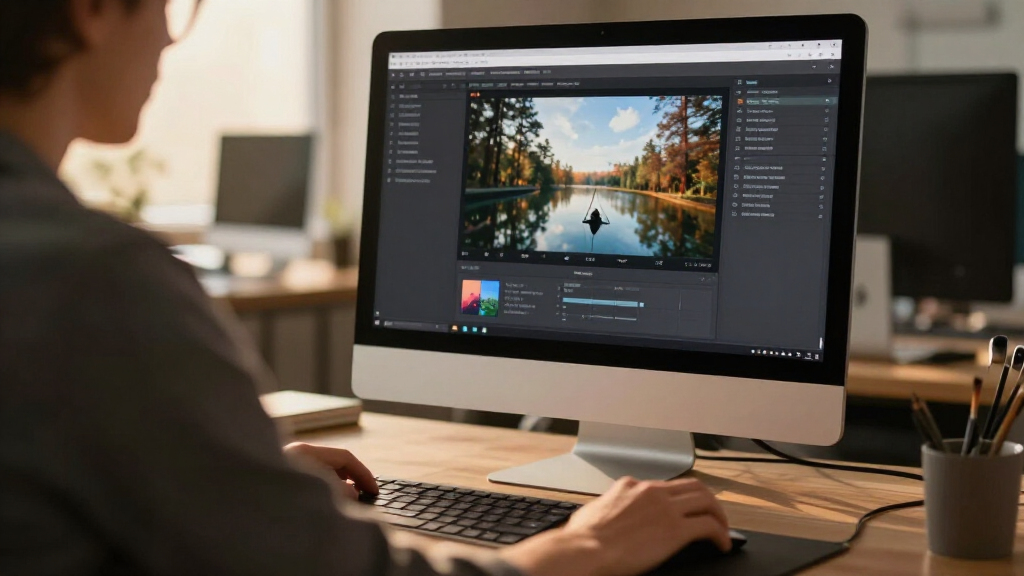
Recent developments in the demo scene show a focus on innovative user interfaces that enhance viewer engagement and creator flexibility. These changes are confirmed through new projects and community discussions, marking a shift in how digital art is presented and experienced within this niche.
The demo scene, a community dedicated to creating audiovisual digital art, has seen increased experimentation with user interface design over the past year. Notably, several new demos released in early 2024 feature interactive elements, customizable controls, and adaptive layouts, which are confirmed by project releases and developer statements.
Community discussions on forums such as Pouet and Discord indicate a growing interest in making interfaces more accessible and engaging. However, some creators express concern over maintaining artistic integrity versus usability. These developments suggest a shift toward more user-centric design in the scene, though the extent and long-term impact are still being evaluated.
Impact of UI Innovations on Demo Scene Creativity
The evolving user interfaces are transforming how audiences experience demos, making them more interactive and accessible. For creators, these changes offer new avenues for expression and engagement, potentially broadening the scene’s appeal. This shift could influence future trends, encouraging more experimentation with interface design as a core aspect of digital art in the demo scene.
Products Worth Considering

Logitech MX Brio Ultra HD 4K Webcam, Graphite

Samsung 27-inch Odyssey G5 QHD Gaming Monitor (G51F)

Amazon Kindle Scribe Colorsoft, 64GB, 11-Inch Color Display with Premium Pen
As an affiliate, we earn on qualifying purchases.
Historical Trends and Recent UI Experiments in the Demo Scene
The demo scene has traditionally emphasized visual and audio coding mastery, with interfaces often serving as simple navigation tools. Over the past decade, however, there has been a gradual increase in interactive and user-friendly features. Recent projects, such as those showcased at events like Revision and Assembly, have begun integrating more sophisticated UI elements, reflecting a broader trend towards enhanced viewer engagement.
Community forums and developer blogs indicate that this interest in UI design is driven by both technological advances and a desire to make demos more accessible to newcomers and wider audiences. While some purists worry about diluting artistic purity, many see it as an evolution of the scene’s artistic language.
“We’re seeing a shift where user interfaces are becoming an integral part of the artistic expression, not just navigation tools.”
— Alexei, demo scene developer
Unresolved Questions About UI’s Role in the Demo Scene
It is still unclear how widespread these UI innovations will become across the entire scene. While some projects showcase advanced interfaces, others remain traditional, and the long-term impact on artistic standards and scene culture is yet to be determined. Additionally, debates persist regarding balancing artistic integrity with usability, and whether UI changes might dilute the scene’s core aesthetic.
Upcoming Developments and Community Discussions on UI Trends
Expect further experiments with user interface design in upcoming demo releases at major events like Revision and Assembly. Community forums will likely continue debating the artistic and technical implications, while developers may release tools to facilitate UI customization. Monitoring these developments will clarify how integral UI will become to the scene’s future.
Key Questions
How are user interfaces changing in the demo scene?
Recent projects feature more interactive, customizable, and adaptive UI elements aimed at enhancing viewer engagement and accessibility.
Why are UI innovations important for the demo scene?
They offer new avenues for artistic expression, improve viewer experience, and could attract a broader audience to the scene.
Are all demo projects adopting these new interfaces?
No, adoption varies; some creators experiment with advanced UIs, while others stick to traditional designs, reflecting ongoing debates within the community.
What are the main concerns about UI changes in the scene?
Some worry that emphasizing UI might compromise the artistic purity and technical mastery that have historically defined the scene.
What can we expect in the near future regarding UI in the demo scene?
More experimental projects, community discussions, and possibly new tools for UI customization are expected as the scene explores these innovations further.
Source: hn