
📊 Full opportunity report: DDR5 Now, DDR6 Soon: A Buyer’s Field Guide on ThorstenMeyerAI.com — validation score, market gap, and execution plan.
TL;DR
DDR5 remains the recommended memory standard through 2028, with DDR6 not arriving in mainstream systems until 2027 at the earliest. Buyers should prioritize DDR5 now, as DDR6 is still in development and expensive.
Current confirmed development: DDR5 remains the dominant memory standard for mainstream PCs through at least 2028, with DDR6 not expected to be available in consumer systems until 2027 at the earliest.
Memory prices remain high due to ongoing shortages, but forecasts suggest relief may not arrive until 2028. Experts advise buyers to focus on DDR5, specifically DDR5-6000 with CL30 timings, which offers the best value and compatibility with current AMD and Intel platforms.
DDR6 technology, which promises significant bandwidth improvements, is still in the standardization phase, with initial modules targeted at enterprise and AI markets in 2026–27. Mainstream consumer adoption is expected around 2027, with full market presence not until 2030. DDR6 will require new CPUs, chipsets, and modules, with no backward compatibility.
DDR5 now, DDR6 soon
A buyer’s field guide. The 20-year instinct — wait for prices to drop, or wait for the next generation — is broken this cycle. Buy the DDR5 you actually need now; don’t wait for DDR6. Here’s the reasoning.
Driven to end-of-life, production slashed. Same money, dead-end socket. Leave a working DDR4 box alone — but never start a new build on DDR4 to “save.”
A framework, not a gamble. Buy the DDR5 you need now, at the sweet spot, in the capacity you’ll actually use — don’t buy DDR4, don’t wait for DDR6. The two costliest mistakes in this market are the ones that feel prudent: waiting for a price drop that isn’t coming, and waiting for a next-gen part that launches dearer than what’s on the shelf. Next: The SSD Squeeze.
Why Buyers Should Focus on DDR5 Now
Choosing DDR5 now avoids the higher costs and limited capacities associated with early DDR6 modules. Investing in DDR5 ensures compatibility with current platforms and avoids the unnecessary expense of waiting for a future standard that is still years away from mainstream adoption.
Waiting for DDR6 could mean delaying system upgrades by several years, during which users miss out on platform improvements, new CPU and GPU releases, and better overall performance. For most users, DDR5 offers the best balance of performance, price, and future-proofing.
As an affiliate, we earn on qualifying purchases.
The Evolution and Timing of DDR Memory Standards
DDR4 has reached end-of-life, with manufacturers reducing production and prices stabilizing at levels comparable to DDR5. Historically, new memory standards take years to fully replace their predecessors, with DDR4’s transition spanning from 2014 to 2018. DDR5 emerged in 2021, initially at a premium, but has become the standard for new builds.
DDR6’s development is driven by the need for higher bandwidth in enterprise and AI workloads, with initial modules expected around 2026–27. Consumer adoption depends on the maturation of the standard, chipsets, and modules, with broad availability projected around 2030.
“DDR6 is a roadmap, not a product. It will require new hardware, and adoption in the mainstream is staged over several years.”
— JEDEC standards committee
As an affiliate, we earn on qualifying purchases.
Unconfirmed Aspects of DDR6 Adoption Timeline
While DDR6 standards are finalized and modules are in development, it is not yet clear when manufacturers will release fully compatible, stable, and affordable consumer modules. The exact timing of mainstream availability remains uncertain, with initial enterprise modules expected in 2026–27 and broad adoption possibly delayed until 2030.
As an affiliate, we earn on qualifying purchases.
Next Steps for Buyers and Industry Watchers
Consumers should prioritize DDR5-6000 CL30 modules for their current builds, avoiding premature investment in DDR4. Industry stakeholders will monitor JEDEC standard approvals, motherboard compatibility lists, and early module releases to gauge DDR6’s market entry. Buyers planning long-term systems should consider waiting until DDR6 modules are stable and widely available, likely around 2027, but should not delay current upgrades unnecessarily.
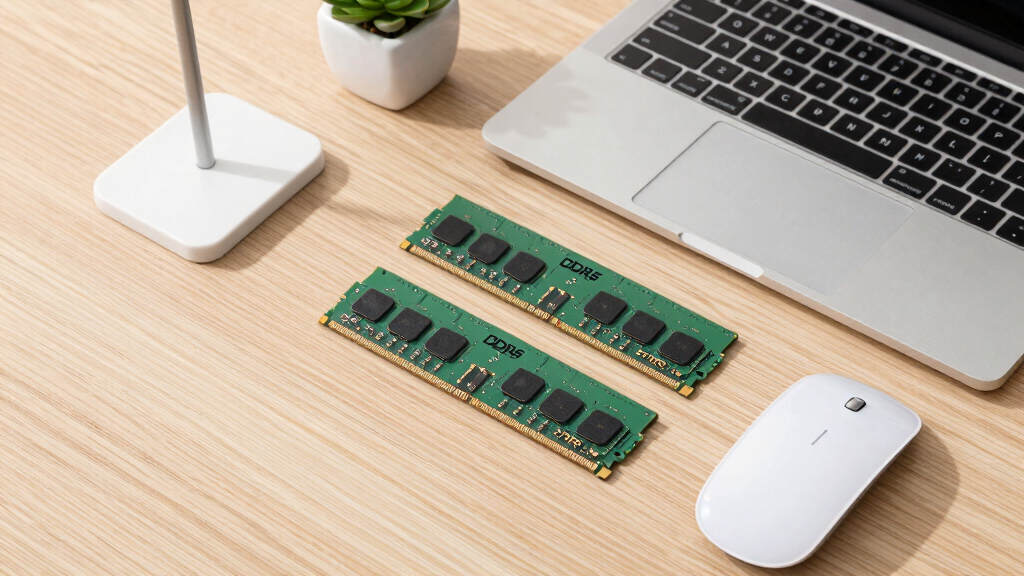
high performance DDR5 memory modules
As an affiliate, we earn on qualifying purchases.
As an affiliate, we earn on qualifying purchases.
Key Questions
Should I buy DDR4 or DDR5 in 2026?
Buy DDR5, as DDR4 is nearing end-of-life and DDR6 is not yet available for mainstream systems. DDR5 offers better future-proofing and compatibility.
Will DDR6 be worth the wait?
For most users, no. DDR6 will be more expensive, require new hardware, and not provide significant benefits for gaming or typical workloads until at least 2027–28.
When will DDR6 be affordable and widely available?
Likely around 2030, after initial enterprise and high-end markets adopt the standard, with mainstream availability possibly around 2027–28.
Is it safe to buy early DDR6 modules now?
No. Early modules may be unstable, limited in capacity, and expensive. It is better to wait for mature, validated modules on the market.
Source: ThorstenMeyerAI.com