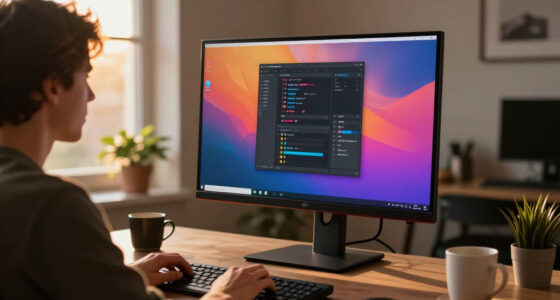

📊 Full opportunity report: The Door: Why the Interface Is Worth More Than the Model on ThorstenMeyerAI.com — validation score, market gap, and execution plan.
TL;DR
SpaceX acquired a $60 billion coding interface, emphasizing that owning the user interface is now more valuable than the underlying AI models. This shift impacts AI distribution, user habits, and data flow.
SpaceX’s recent acquisition of a leading coding interface company for $60 billion marks a significant shift in AI and software strategy. The purchase focused on the interface — the surface where developers and users interact — rather than the underlying models or data centers. This move underscores the emerging importance of owning the interface as the primary chokepoint in AI distribution and user engagement, rather than the models themselves.
According to reports from Thorsten Meyer AI, SpaceX acquired the company Anysphere, which built a high-revenue coding interface on top of multiple AI models. The company had reached approximately $4 billion in annualized revenue and had successfully resisted bids from OpenAI and Microsoft before being sold to SpaceX. The core value of the acquisition lies in the interface — the place where developers and users interact daily — which streams valuable usage data and controls access to AI models.
This strategic focus on the interface reflects a broader industry trend: as the cost of models decreases and open weights become more available, the true value shifts to the surface layer that users habitually engage with. SpaceX’s purchase gives it control over the routing of user demand, the default model, and the data feedback loop, effectively making the interface the new battleground in AI dominance.
The Door: Worth More Than the Model
SpaceX paid $60B for a coding tool — not a model. As the model commoditizes, the surface the human touches captures the value: the default, the habit, the data, and the choice of which model gets called.
Perplexity
The most valuable chokepoint — and, strangely, the most winnable. You can’t bootstrap a gigawatt or a 555K-GPU cluster, but a small team can still build the door (Cursor was a few founders on rented models). Own the interface and the user relationship even if you rent everything underneath — and never let a platform’s default be your only door to your users.
Implications of Interface Ownership in AI Dominance
This development highlights a fundamental shift in AI industry dynamics: owning the interface — the user’s point of contact — is becoming more critical than owning the models themselves. Control over the interface means influence over user habits, data collection, and model routing, which collectively form a new form of monopoly. As the interface becomes the primary distribution layer, companies that control it can dictate which AI models are used, influence user behavior, and generate proprietary data streams that reinforce their position.
For users and developers, this means the landscape is increasingly shaped by the platforms and interfaces they engage with daily. For industry players, the move underscores the importance of investing in or acquiring interface-layer assets to secure long-term strategic advantage. Ultimately, the shift suggests that the most valuable asset in AI is no longer just the model but the surface through which users access and interact with AI systems.

The Linux Programming Interface: A Linux and UNIX System Programming Handbook
As an affiliate, we earn on qualifying purchases.
As an affiliate, we earn on qualifying purchases.
The Rise of Interface Control in AI Ecosystems
Historically, AI development focused on improving models — increasing accuracy, complexity, and capabilities. However, recent trends show that as models become more commoditized and open weights more accessible, the competitive advantage shifts to the interface layer. Companies like OpenAI, Perplexity, and others have built interfaces that become habitual tools for users, capturing data and influence over demand.
The $60 billion valuation of Anysphere, a front-end platform, exemplifies this trend. Its ability to generate significant revenue while resisting tech giants demonstrates the value of owning the surface where users interact with AI. This is reinforced by recent industry developments, such as Google’s OS-level auto-browsing features and Microsoft’s Copilot integrations, which embed AI interfaces deeply into everyday tools.
Furthermore, the legal and regulatory environment is beginning to reflect this shift, with disputes over agent traffic and control over web interactions. The interface is increasingly seen as a chokepoint that determines access, demand routing, and data flow, making it a strategic asset in the AI ecosystem.
“Our acquisition of Anysphere reflects our focus on the fundamental layers of AI distribution — the surfaces where users and developers interact daily.”
— SpaceX spokesperson
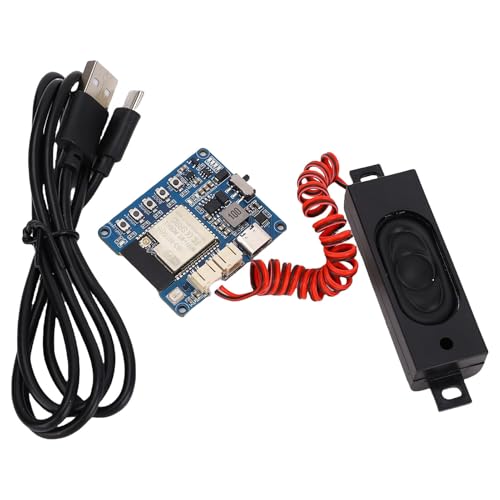
AI Voice Chat Module Type C Interface AI Large Model Support with Technology
- Interface Type: Type C interface for connectivity
- Battery Management: Built-in TP5400 battery management
- Integrated Components: Includes INMP441 microphone and amplifier
As an affiliate, we earn on qualifying purchases.
As an affiliate, we earn on qualifying purchases.
Unclear Aspects of Interface Ownership Impact
It remains uncertain how widespread the adoption of interface-centric strategies will become across the industry. While SpaceX’s move signals a major shift, it is still unclear whether other companies will follow suit or if regulatory challenges will restrict control over interfaces. Additionally, the long-term impact on AI innovation, competition, and user privacy is still developing and subject to ongoing legal and technological developments.

Unity 6.5 Game Development Handbook: A Practical Guide to Building Modern 2D and 3D Games with C#, Creating Interactive Worlds, Mastering Physics, UI and Publishing Across Multiple Platforms
As an affiliate, we earn on qualifying purchases.
As an affiliate, we earn on qualifying purchases.
Future Developments in Interface and Model Distribution
Industry observers expect increased investment in interface-layer assets, with more companies seeking to acquire or develop dominant front-end platforms. Regulatory scrutiny over data and access will likely intensify, potentially shaping how control over interfaces is exercised. Meanwhile, AI providers may focus on integrating their models into these interfaces to retain influence, leading to further consolidation and strategic realignments in the AI ecosystem.
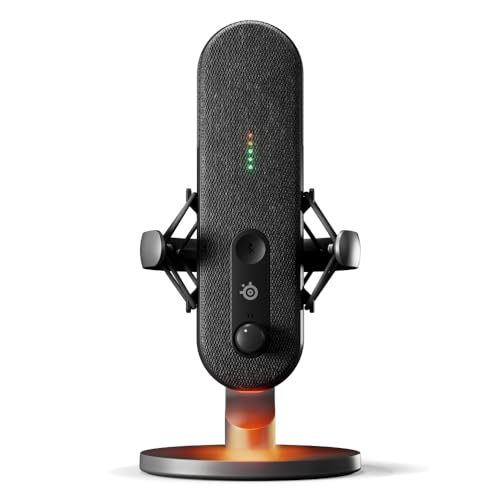
SteelSeries Alias USB Mic for PC — 3x Bigger Capsule for Gaming, Streaming and Podcasting — Sonar for Streamers Audio Software — AI Noise Cancelling — LED Mute & Level Monitoring — Shock Mount
- Designed for Gamers: Ideal for gaming, streaming, and podcasting
- 3X Larger Capsule: Captures a wider range of vocals
- All-in-One Software: Includes Sonar for mixing and noise cancellation
As an affiliate, we earn on qualifying purchases.
As an affiliate, we earn on qualifying purchases.
Key Questions
Why is owning the interface more valuable than owning the AI model?
Owning the interface allows control over user habits, demand routing, and data collection, making it the primary point of influence in AI distribution, especially as models become commoditized.
How did SpaceX’s purchase of Anysphere change industry perspectives?
It demonstrated that the real strategic asset in AI is the surface layer where users interact, not the underlying models, shifting industry focus toward interface ownership.
What are the risks of focusing on interface control?
Regulatory challenges, potential antitrust scrutiny, and the risk of over-consolidation could limit the advantages of interface ownership and impact innovation.
Will this shift affect AI innovation and competition?
Yes, it could concentrate power among a few interface owners, potentially reducing competition but also incentivizing new entrants to develop innovative interfaces.
Source: ThorstenMeyerAI.com