

In SaaS, quality assurance relies heavily on automated testing, continuous feedback, and frequent updates to guarantee stability and user satisfaction. You can quickly adapt based on user insights and minimize downtime through ongoing testing. On-premise software typically involves manual testing, with updates less frequent and more complex. If you want to understand how these approaches affect reliability and development, explore the key differences further.
Key Takeaways
- SaaS relies heavily on automated testing and continuous deployment, whereas on-premise software may use more manual and scheduled testing cycles.
- SaaS QA emphasizes rapid feedback loops and frequent updates, contrasting with the longer release cycles typical of on-premise solutions.
- Automated testing in SaaS ensures scalability and stability across diverse user environments, while on-premise QA often focuses on specific hardware configurations.
- SaaS quality assurance incorporates real-time user feedback and high refresh testing, unlike traditional on-premise testing which may lack immediate user input.
- The cloud-based model enables SaaS to quickly adapt and improve through iterative testing, whereas on-premise QA involves more extensive manual validation during upgrades.

When it comes to guaranteeing software quality, the approach differs markedly between SaaS and on-premise solutions. In SaaS environments, automated testing plays a pivotal role because it allows you to quickly verify updates and new features across diverse user scenarios without the need for manual intervention. Automated testing helps catch bugs early, ensuring that the cloud-based service remains reliable as it scales and evolves. Since SaaS providers deploy updates frequently, automated testing becomes indispensable for maintaining stability and minimizing downtime, giving you confidence that new releases won’t break existing functionality. Additionally, the use of high refresh rates in testing environments can simulate real-time user interactions more effectively, further enhancing reliability. User feedback is also essential in SaaS quality assurance, as it provides direct insights into how real users experience the software. Because SaaS applications are accessible online, you can continuously gather feedback through in-app surveys, support channels, and usage analytics. These insights help you identify pain points and prioritize improvements, ensuring the software aligns with user expectations. The iterative nature of SaaS means you can quickly adapt based on user feedback, making continuous improvement a core part of your QA strategy. This cycle of feedback and updates fosters a user-centric approach that improves overall satisfaction and reduces the risk of unnoticed issues.

UGREEN 8K@60Hz Displayport KVM Switch 2 Monitors 2 Computers, Aluminum with 4 USB 3.0 Ports for 2 Computers Share Dual Monitors Keyboard Mouse Printer with 2 USB Cables/Power Adapter/Controller
Displayport KVM Switch 2 Monitors 2 Computers: This KVM switch allows you to easily manage and switch between...
As an affiliate, we earn on qualifying purchases.
Frequently Asked Questions
How Does User Feedback Influence QA Processes in Saas and On-Premise?
User feedback plays a vital role in your QA processes, guiding feature prioritization and bug fixing. In SaaS, you quickly gather real-time feedback, allowing you to adapt and improve continuously. For on-premise software, you rely more on structured feedback channels, which help you plan updates and prioritize issues. Overall, actively listening to user feedback guarantees your QA efforts target the most impactful areas, enhancing user satisfaction and product quality.
What Are the Security Implications for QA in Each Deployment Model?
You need to prioritize cloud security and data privacy when conducting QA for SaaS and on-premise solutions. SaaS deployments face risks like data breaches due to multi-tenant environments, requiring strict access controls and encryption. On-premise setups give you more control but demand robust security protocols to prevent internal breaches. Both models demand regular security testing, but SaaS emphasizes compliance and data privacy, while on-premise focuses on physical security and network safeguards.
How Do Scalability Challenges Affect QA Strategies in Saas Vs On-Premise?
Imagine your QA process as a ship steering unpredictable seas. Scalability challenges force you to focus on scalability planning and infrastructure elasticity. In SaaS, you can quickly adjust resources, making testing more adaptable. On-premise, limited infrastructure means you must carefully plan capacity and anticipate growth. Your QA strategy needs to be flexible and resilient, ensuring testing keeps pace with evolving demands and prevents bottlenecks, regardless of deployment.
What Role Does Automation Play Differently in Saas and On-Premise QA?
You leverage test automation differently in SaaS and on-premise QA. In SaaS, automation supports rapid deployment strategies, allowing quick updates and continuous testing across multiple environments. For on-premise, you focus on stable deployment strategies, emphasizing thorough testing before release. Automation helps reduce manual effort, increase accuracy, and ensure consistent performance, but you customize your approach based on deployment models to optimize testing efficiency and reliability in each context.
How Do Maintenance and Updates Impact QA Cycles in Both Environments?
You’ll find that maintenance and updates substantially impact QA cycles by requiring careful version management and deployment strategies. In SaaS, updates are often continuous, so you need rapid testing and seamless deployment to avoid downtime. For on-premise, you manage updates less frequently but must thoroughly test each release to ensure stability. Both environments demand tailored QA approaches to handle these updates efficiently and maintain quality.
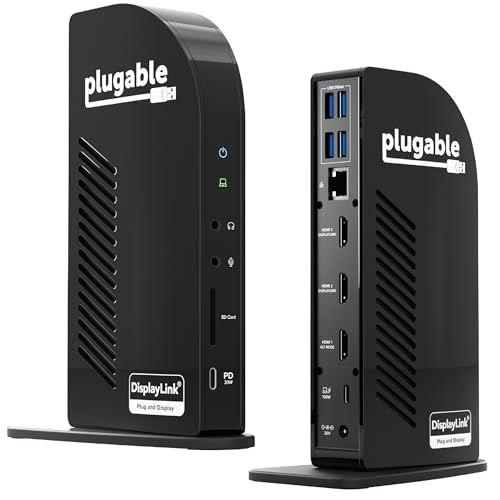
Plugable USB-C Triple Monitor Docking Station: 13-in-1 Laptop Dock with 100W Charging for Mac (DisplayLink Driver Required), Windows, Chrome, 3 HDMI, Gigabit Ethernet, SD, USB-C 20W, 4 USB - UD-ULTCDL
13-in-1 Laptop Docking Station: Expand your workspace with a powerful USB-C docking station featuring 13 essential ports. This...
As an affiliate, we earn on qualifying purchases.
Conclusion
Whether you’re testing SaaS or on-premise software, understanding their key differences shapes your approach. SaaS demands rapid, continuous testing and updates, while on-premise needs thorough upfront validation. You might enjoy the agility of cloud-based QA, but also value the control of traditional methods. Recognizing these contrasts helps you deliver quality faster and more reliably, no matter the deployment. Embrace the unique challenges of each to guarantee your software meets user expectations every time.
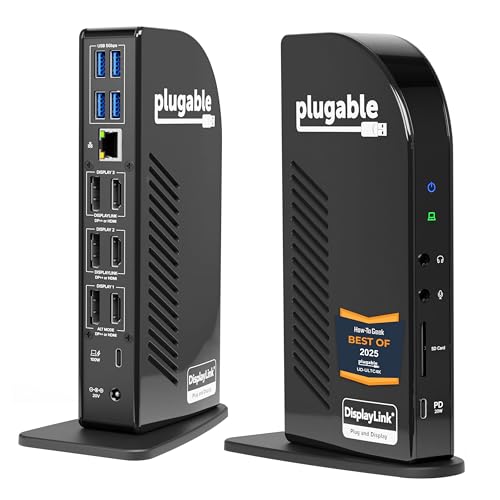
Plugable 13-in-1 USB C Docking Station 4K Triple Monitor with 100W Power Delivery | USB C Dock for Windows, Mac, ChromeOS, Thunderbolt | Driver Required | 3X HDMI and 3X DisplayPort (UD-ULTC4K)
All in One USB C Docking Station with Power: This multi monitor docking station features 13 powerful ports...
As an affiliate, we earn on qualifying purchases.
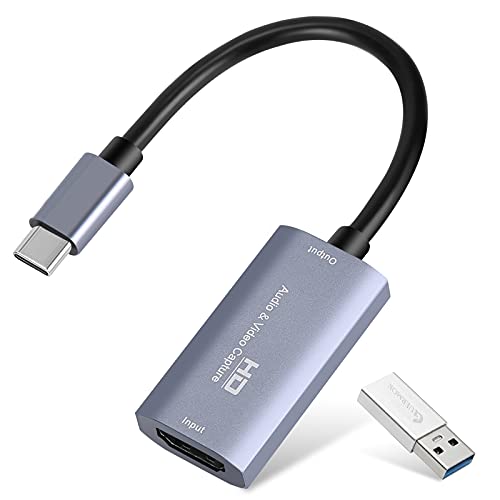
Guermok Video Capture Card, 4K USB3.0 HDMI to USB C Capture Card for Streaming, 1080P 60FPS, Compatible with iPad Mac OS Windows, Quest 3, OBS, PS5/4, Switch2/1, Xbox, Camera (Silver)
【1080P 60FPS Video Capture Card】 This HDMI game capture card is based on USB3.0 high speed transmission port,...
As an affiliate, we earn on qualifying purchases.