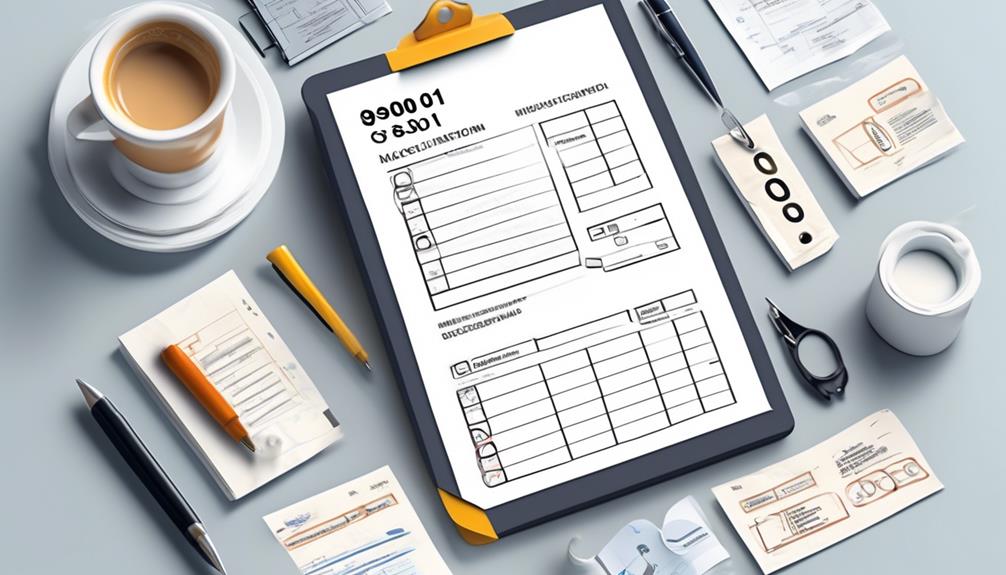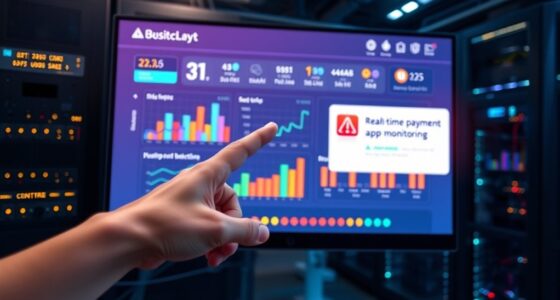

To verify your audit trails for regulatory compliance, you need to run rigorous QA tests that check for data integrity, accuracy, and tamper evidence. Guarantee logs accurately record all transactions and changes, with proper timestamps and sequence. Confirm only authorized personnel can modify logs, cross-check records against transaction reports, and verify the completeness of logs. Maintaining these controls guarantees your audit trail remains reliable and compliant; continued examination will reveal essential best practices.
Key Takeaways
- Verify that audit logs comprehensively capture all data modifications with accurate timestamps and user details.
- Ensure change management controls are in place, preventing unauthorized alterations and documenting all changes.
- Cross-verify audit logs against transaction reports and system logs to confirm consistency and completeness.
- Test access controls to restrict log modifications to authorized personnel only, preventing tampering.
- Check for log integrity by detecting missing, duplicated, or tampered entries to maintain record trustworthiness.

Audit trail verification is a crucial process for guaranteeing the integrity and transparency of your organization’s financial and operational records. When you verify audit logs, you’re fundamentally confirming that every transaction, change, or adjustment is properly documented and unaltered. This process is especially critical in regulated industries where compliance depends on accurate record-keeping. By performing thorough QA tests on your audit logs, you can detect anomalies, prevent fraud, and maintain trust with regulators and stakeholders. One key aspect of effective audit trail verification is addressing change management. Every modification to data—whether updating a record or deleting an entry—must be recorded with clear details about who made the change, when it happened, and why. If these details are missing or manipulated, the data integrity of your logs is compromised. That’s why your verification process should include rigorous checks for change management controls. You want to guarantee that your logs capture every change reliably and that access to modify these logs is tightly controlled and auditable. When you implement these controls, you reinforce the integrity of your data, making it easier to identify unauthorized alterations or suspicious activities. Maintaining data integrity is not just about recording changes but also about safeguarding the accuracy and consistency of your records over time. During QA tests, you’ll examine whether the logs are complete, accurate, and tamper-proof. For example, you should verify that timestamps are consistent and reflect the true sequence of events. You also want to confirm that log entries are properly linked and that no entries are missing or duplicated. Any gaps or inconsistencies could indicate issues with your change management processes or potential tampering. Additionally, you should test access controls to ensure only authorized personnel can modify audit logs. This prevents intentional or accidental alterations that could undermine the entire audit process. A robust verification process involves cross-checking logs against other records, such as transaction reports or system activity logs, to confirm their accuracy and completeness. You also want to regularly review your audit trail policies to adapt to evolving threats and compliance requirements. By doing so, you make sure your audit logs remain a trustworthy source of truth, supporting transparency and accountability. Ultimately, your goal is to create a secure, reliable, and tamper-evident record-keeping environment. Through diligent change management and vigilant monitoring of data integrity, you can confidently demonstrate compliance and protect your organization’s reputation in the face of regulatory scrutiny and evolving industry standards.

Dell 34 Plus USB-C Curved Monitor - S3425DW - 34-inch (3440 x 1440) up to 120 Hz 21:9 Display, VA Panel, AMD FreeSync Premium, 99% sRGB, 95% DCI-P3, Integrated Speakers, 3000:1 Contrast Ratio
Improved ComfortView Plus: Reduces harmful blue light emissions to ≤35%, for all-day comfort without sacrificing color accuracy.
As an affiliate, we earn on qualifying purchases.
Frequently Asked Questions
How Often Should Audit Trail Verification Be Performed?
You should perform audit trail verification regularly, typically following a defined frequency planning schedule that suits your organization’s risk level and regulatory requirements. Verification protocols should be executed at least quarterly, but more frequent checks, like monthly, are advisable for critical systems. Consistently applying these protocols guarantees audit logs remain complete and tamper-proof, helping you maintain compliance and quickly identify any discrepancies or suspicious activities.
What Are Common Challenges in Audit Trail Validation?
Imagine you’re a vigilant lighthouse keeper, shining your light on a sea of data. Your biggest challenge is ensuring Data Integrity amidst waves of complex information, while staying aligned with Compliance Standards. Common issues include incomplete logs, inconsistent entries, and system gaps that hinder validation. These hurdles make it difficult to trust the audit trail, risking non-compliance and data breaches. Staying alert and thorough helps you navigate these obstacles effectively.
Which Industries Require the Most Rigorous Audit Trail Checks?
You’ll find financial services and healthcare industries require the most rigorous audit trail checks. They prioritize financial compliance and data integrity to meet strict regulations. Your role involves ensuring that all audit logs are thorough, accurate, and tamper-proof. By maintaining high standards in audit trail verification, you help these industries prevent fraud, support regulatory audits, and uphold trust with clients and regulators alike.
How Can Automation Improve Audit Trail Verification Processes?
Imagine catching errors before they happen—that’s what automation does for audit trail verification. By automating reconciliation, you reduce manual effort and errors, ensuring data accuracy. Real-time monitoring keeps you instantly aware of any discrepancies or suspicious activities, allowing swift action. This continuous oversight not only saves time but also strengthens compliance, giving you peace of mind knowing your audit logs are thoroughly checked and trustworthy at all times.
What Are the Penalties for Inadequate Audit Trail Documentation?
If your audit trail documentation falls short, you risk penalties like hefty fines, regulatory sanctions, and damage to your reputation. Compliance standards demand thorough data integrity and accurate records; failing to meet these can lead to audit failures and legal issues. You must guarantee your logs are complete, secure, and regularly verified to avoid these penalties and maintain trust with regulators and stakeholders.
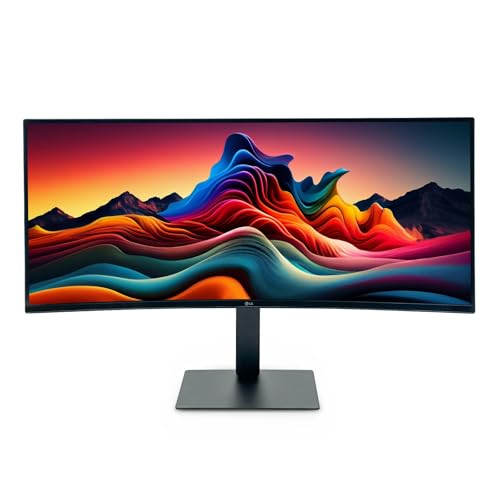
LG UltraWide 34 Inch WQHD HDR 10 Curved Monitor, 120Hz 5ms, 3440 x 1440, Black, Reader Mode, 34U62TB-B, Tilt/Height/Swivel Stand, 2025 Model (Renewed)
IMMERSIVE ULTRAWIDE DISPLAY: 34-inch curved WQHD (3440 x 1440) screen delivers expansive viewing area and enhanced productivity for...
As an affiliate, we earn on qualifying purchases.
Conclusion
You now understand the importance of audit trail verification, much like a detective uncovering hidden clues to solve a case. Ensuring QA tests for regulatory audit logs are thorough keeps your records reliable and compliant. Think of it as maintaining a clear mirror that reflects your organization’s integrity. By regularly verifying your audit trails, you protect your reputation and stay prepared for audits—because neglecting this is like sailing without a compass in turbulent waters.

ASUS ProArt Display 34” Ultrawide Curved Professional HDR Monitor (PA34VCNV) - IPS, 21:9 3440 x 1440, 3800R Curve, 100% sRGB/Rec709, ΔE<2, Calman Verified, USB-C Docking PD 96W, RJ45, 3 Year Warranty
34.1-inch 21:9 3800R IPS curved display with frameless design
As an affiliate, we earn on qualifying purchases.

SAMSUNG 34" ViewFinity S50GC Series Ultra-WQHD Monitor, 100Hz, 5ms, HDR10, AMD FreeSync, Eye Care, Borderless Design, PIP, PBP, LS34C502GANXZA, 2023, Black
DO MORE ON ONE SCREEN: See every detail on the wider display featuring a 21:9 aspect ratio; Ultra...
As an affiliate, we earn on qualifying purchases.